Imagine lounging on the sun-drenched sands of a beach, feeling both stylish and comfortable in your swimwear. But have you ever paused to wonder what makes your swimsuit fit like a glove while still being resistant to saltwater, chlorine, and UV rays? The key lies in choosing the best fabric for swimwear—a decision that not only affects your comfort and style but also the longevity of your favorite poolside attire. With advancements in textile technology and shifting fashion trends, knowing what to look for in swimwear fabric has never been more important.
In this rapidly evolving world of swimwear, where aesthetics meet functionality, understanding fabric trends can make all the difference in your beachwear experience. From high-performance blends to sustainable choices that are kind to our oceans, the options are as diverse as the colors of a vibrant summer sky. In this blog post, we’ll delve into the latest in swimwear fabric trends and offer some savvy tips to help you make an informed choice. Whether you’re an avid swimmer or a casual sunbather, discovering the right fabric can transform your beach outings into unforgettable adventures.
The Evolution of Swimwear Fabrics: A Historical Perspective
The story of swimwear fabrics stretches back centuries, evolving from heavy wool garments of the 18th century to the sleek, high-performance materials we enjoy today. Early bathers in Europe wore full-body woolen suits that absorbed water, weighed down swimmers, and offered minimal mobility. These bulky fabrics were more about modesty than functionality, reflecting the conservative social norms of the time. It wasn’t until the late 19th and early 20th centuries that lighter materials like jersey and cotton blends began to replace wool, improving comfort and enabling easier movement in water.
By the mid-20th century, synthetic fibers like nylon and acrylic revolutionized swimwear design. These fabrics were quick-drying, offered superior elasticity, and retained their shape after multiple uses—key attributes that set the stage for modern swimwear innovation. The introduction of Lycra® (spandex) in the 1960s further transformed how swimsuits fit and performed, enabling skin-tight cuts that hugged the body and enhanced hydrodynamics. Each decade since then has witnessed continuous advancements, from chlorine-resistant finishes to sustainable, recycled materials, reflecting changing consumer demands for durability, style, and eco-consciousness.
Performance Fabrics: Enhancing Comfort and Durability
Performance fabrics for swimwear have become synonymous with athletic prowess, comfort, and longevity. These high-tech materials are engineered to provide excellent stretch, shape retention, and resistance to environmental stresses such as chlorine, saltwater, and UV exposure.
Innovations like high-elastane blends, reinforced seams, and special water-repellent coatings all contribute to the exceptional durability of performance swimwear. Whether you’re competing at the pool, surfing at the beach, or simply doing laps for fitness, selecting a swimsuit made from performance fabrics ensures you’ll maintain optimum mobility, comfort, and confidence in the water.
Sustainable Swimwear Fabrics: Eco-Friendly Choices for the Environmentally Conscious
As awareness around environmental issues grows, sustainable swimwear fabrics have emerged as an essential category for eco-conscious consumers. Brands are increasingly turning to recycled polyester, nylon made from discarded fishing nets, and bio-based fibers derived from plant sources to craft stylish, planet-friendly swimwear.
Beyond recycled content, some manufacturers incorporate water-saving dye techniques and low-impact manufacturing processes to further reduce their ecological footprint. By choosing swimwear made from recycled or renewable materials, you not only get durable, high-quality pieces but also support efforts to keep plastic waste out of our oceans—making your swimwear choice both fashion-forward and environmentally responsible.
Trendy Fabric Blends: Mixing Style with Functionality
Trendy fabric blends combine the best properties of different fibers to deliver swimsuits that look great and perform even better. Common blends include nylon-spandex mixes for stretch and recovery, polyester-elastane for enhanced chlorine resistance, and eco-friendly recycled polyester-lycra for sustainable elasticity.
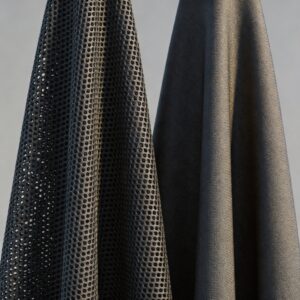
Designers are also experimenting with jacquard weaves, mesh inserts, and textured prints to create eye-catching patterns and dimensional surfaces. These blends not only elevate the aesthetic appeal of your swimwear but also provide breathability, quick-drying performance, and an ultra-comfortable fit—so you can stay on-trend without sacrificing practicality.
Choosing the Right Fabric for Your Activity Level
Selecting the best fabric for swimwear depends heavily on how you plan to use it. Casual sunbathers may prioritize soft, lightweight materials, while serious swimmers or water sports enthusiasts need fabrics engineered for speed, compression, and resistance to chlorine and saltwater.
If you’re into competitive swimming, look for high-density polyester or polyamide blends with a high elastane percentage to ensure both compression and flexibility. For surfing or active beach sports, choose fabrics with reinforced stitching and UV protection. And if you’re simply lounging by the pool, breathable, soft microfiber blends will keep you cool and comfortable all day long.
Understanding UV Protection in Swimwear Fabrics
UV protection is a critical feature in modern swimwear fabrics, helping shield your skin from harmful ultraviolet rays. Fabrics with a high Ultraviolet Protection Factor (UPF) number block more UV radiation, reducing sunburn risk and long-term skin damage.
Most performance and outdoor swimwear incorporate UPF-rated yarns or chemical treatments to achieve ratings of UPF 30, 50+, or higher. Look for labels indicating the UPF rating and ensure the garment covers areas prone to sun exposure. Paired with sunscreen on uncovered skin, UPF swimwear offers a robust defense against sun-related harm.
Caring for Your Swimwear: Maintenance Tips for Different Fabrics
Proper care extends the life of your swimwear, regardless of the fabric. After each use, rinse your swimsuit in cold, fresh water to remove chlorine, salt, and sand. Avoid wringing or twisting the material, which can weaken fibers and cause distortion.
For performance fabrics, use a mild detergent designed for delicates and air-dry flat out of direct sunlight to preserve elasticity and color. Eco-friendly and recycled fabrics often require similar gentle care. Steer clear of bleach, fabric softeners, and high-heat drying, as these can degrade fabric performance and shorten the lifespan of your swimsuit.
Customization Options: Personalizing Your Swimwear with the Right Fabric
Customization has become a major trend in swimwear, allowing you to select prints, cuts, and fabrics that reflect your personal style. Many brands offer made-to-order services where you can choose from an array of fabrics—performance blends, recycled yarns, or UV-protective textiles—and combine them with custom patterns or monogramming.
Whether you want a high-compression racerback for training or a soft, sustainable fabric for a leisurely beach day, customization empowers you to mix and match fabric properties, colors, and designs. This level of personalization ensures that your swimsuit not only fits perfectly but also aligns with your aesthetic and functional priorities.
Where to Shop for Quality Swimwear Fabrics
Finding reliable sources for quality swimwear fabrics is essential if you’re creating your own garments or sourcing from independent designers. Specialty textile suppliers, both online and brick-and-mortar, often carry a wide range of performance, eco-friendly, and designer swim fabrics.
Look for vendors who provide detailed fabric specifications, UPF ratings, stretch recovery data, and environmental certifications. Popular online marketplaces and dedicated swimwear fabric shops also offer sample swatches so you can test sheen, thickness, and feel before placing a bulk order. Investing in premium fabrics ensures that your swimwear will last longer, perform better, and look more refined.
Conclusion: Embracing Style, Comfort, and Sustainability in Your Swimwear Choices
Choosing the best fabric for swimwear means balancing style, performance, and eco-consciousness. From high-tech performance blends to recycled and UPF-rated materials, today’s swimwear fabrics cater to every need and preference.
By understanding the unique properties of each fabric type and following proper care guidelines, you’ll enjoy swimwear that looks great, feels comfortable, and stands the test of time—making every beach or poolside adventure a true delight.