In the ever-evolving world of fashion, staying ahead of the curve is paramount. But how do designers and brands ensure their collections resonate with both trends and consumers? The secret often lies in the fabric itself. Wholesale knit fabric has emerged as a game-changer, offering designers a canvas rich with possibilities. Unlike other materials, knit fabrics provide unparalleled versatility, which translates into garments that drape exquisitely, move gracefully, and encapsulate the spirit of modern aesthetics. This material isn’t just about form—it’s about function, comfort, and innovation.
Imagine walking into a boutique where every piece tells a story of texture and style. The tactile experience when you run your fingers over finely crafted knitwear is irresistible. As you delve into the world of wholesale knit fabric, you’ll uncover how these textiles shape not only fashion but also consumer trends. Discover the potential lying within each thread, and how this can unlock a new dimension of creativity for your next collection. Whether you’re a seasoned designer or an emerging talent, understanding these top trends in knit fabrics could be your key to unlocking untapped potential in your fashion endeavors.
The Rise of Sustainable Knit Fabrics
The fashion industry is facing mounting pressure to reduce its environmental footprint, and sustainable knit fabrics have risen to meet this challenge. By sourcing eco-friendly fibers—such as organic cotton, recycled polyester, and Tencel—manufacturers can produce wholesale knit fabric that appeals to conscious consumers without sacrificing style. Brands are increasingly gravitating toward sustainable options, driven by both regulatory demands and the growing purchasing power of eco-aware shoppers. In turn, this shift is reshaping the supply chain, from farming practices to factory processes, to ensure that every step minimizes waste and maximizes resource efficiency.
Beyond the ethical considerations, sustainable knit fabrics offer tangible benefits for designers. Recycled materials often boast unique textures and color variations, lending a distinctive character to each piece. Organic yarns can be softer, more breathable, and less prone to pilling—a true win for quality and longevity. Moreover, certifications like GOTS (Global Organic Textile Standard) and OEKO-TEX signal authenticity and build consumer trust. As wholesale knit fabric providers ramp up their sustainable offerings, designers can strike a harmonious balance between environmental responsibility and creative expression, positioning their collections at the forefront of modern fashion.
Innovative Textures and Finishes in Wholesale Knit Fabric
Texture and finish are the secret weapons for designers seeking to capture attention, and wholesale knit fabric has become a playground for experimentation. From 3D jacquards to brushed fleece finishes, manufacturers are pushing the boundaries of what knitwear can achieve. These innovations allow designers to introduce tactile dimension and visual depth into their collections, creating pieces that invite touch and ignite curiosity.
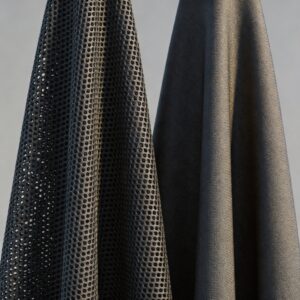
Advances in knitting technology—such as seamless circular knitting machines and digital patterning—enable complex textures without adding bulk. Whether it’s a subtle rib that accentuates silhouette or a sculptural honeycomb stitch that adds architectural flair, these finishes can transform a simple garment into a work of art. As you explore the latest offerings in wholesale knit fabric, consider how texture can reinforce your brand message, elevate perceived value, and deliver a memorable sensory experience.
Exploring Color Trends in Knit Fabric Collections
Color trends in wholesale knit fabric collections are evolving faster than ever, fueled by social media, runway showcases, and consumer demand for personalization. Pastel hues remain a staple for spring and summer lines, while jewel tones and moody neutrals dominate autumn and winter offerings. Yet, the real excitement lies in unexpected color pairings—such as burnt orange with dusty lilac or emerald green with slate gray—that reflect the eclectic tastes of today’s fashion-forward audience.
Manufacturers are responding by offering custom dyeing services and low minimum orders on small-batch runs, empowering designers to experiment without committing to large volumes. Moreover, digital printing on knit fabrics has opened up endless possibilities for gradient effects, watercolor washes, and abstract motifs. As you curate your next collection, pay close attention to the interplay of color and knit structure—subtle stitch patterns can intensify or soften a hue, altering the garment’s overall impact.
Functional Knits: The Intersection of Comfort and Style
Functional knits marry performance with panache, delivering garments that not only look great but also adapt to active lifestyles. Whether it’s moisture-wicking blends for athleisure or temperature-regulating fibers for outdoor wear, wholesale knit fabric suppliers are innovating to meet the needs of modern consumers. Technical enhancements such as four-way stretch, UV protection, and anti-odor treatments are increasingly standard, enabling designers to craft pieces that perform under pressure.
Beyond sportswear, these functional knits have permeated everyday apparel—think commuter blazers with stretch panels, travel-friendly trousers with wrinkle resistance, and seamless underwear that offers both support and breathability. By integrating these high-performance features into stylish silhouettes, designers can appeal to busy professionals and wellness enthusiasts alike. Wholesale knit fabric thus becomes the foundation for collections that transcend traditional boundaries between casual and activewear, comfort and couture.
Knit Fabric Blends: Mixing Tradition with Technology
Blending traditional yarns with high-tech fibers creates knit fabrics that embody the best of both worlds. Classic wool-cashmere mixes gain added durability from nylon or elastane, while cotton-linen blends receive performance boosts from Tencel or modal. These hybrid yarns allow designers to honor heritage craftsmanship while embracing the demands of contemporary life.
Wholesale knit fabric mills are at the forefront of this movement, developing proprietary blends that optimize softness, resilience, and eco-friendliness. For instance, recycled cashmere mixed with recycled polyamide produces a luxurious yet sustainable knit, ideal for premium loungewear. Meanwhile, wool blends infused with silver-based antimicrobial finishes cater to high-end travel lines. When selecting your next bulk order, explore the diverse palette of knit fabric blends—and discover how marrying tradition with technology can elevate both quality and style.
Knit Fabric Printing Techniques Revolutionizing Design
Printing on knit fabrics has undergone a transformation, thanks to advancements in digital and rotary printing technologies. Gone are the days of limited color palettes and compromised stitch integrity; today’s methods allow for vivid, multi-hued designs that sit flush with the fabric, preserving its stretch and drape. For designers, this means wholesale knit fabric can carry intricate patterns and photographic-quality images without sacrificing performance.
Popular techniques include pigment printing for matte, muted effects and reactive printing for bright, wash-fast designs. Sublimation printing on polyester blends enables all-over coverage with no hand-change, making it ideal for sports jerseys or bold statement pieces. As you experiment with printing, consider layering translucent knits over printed underlays for a dynamic, multidimensional look. These innovations turn knit fabric from a plain backdrop into an expressive medium, broadening the creative toolkit for fashion-forward brands.
Knit Fabric Applications Beyond Apparel: Home & Lifestyle
While knit fabrics are synonymous with sweaters and tees, their versatility extends far beyond the closet. Wholesale knit fabric is finding its way into home décor, accessories, and even technical gear. Chunky cable knits lend cozy charm to throw blankets and cushion covers, while fine-gauge knits are used for lightweight, breathable pillow shams and drapery panels. The elasticity of knit also makes it perfect for form-fitting lampshades and snug furniture upholstery.
In the lifestyle market, knit fabrics are employed in pet beds, yoga mat carriers, and travel accessories—capitalizing on their stretch, softness, and low-maintenance washability. Even the automotive and medical industries are exploring knit textiles for seat covers and compression garments, respectively. By looking beyond traditional uses, designers and product developers can unlock new revenue streams and surprise consumers with knit-driven innovations throughout their daily lives.
Fashion Forecast: Emerging Knit Fabric Trends to Watch
As we look toward the next season, several knit fabric trends are poised to dominate the runways and retail floors. Sustainable slub knits with yarn-dyed stripes are expected to gain traction, offering an artisanal appearance that pairs well with slow-fashion narratives. Seamless body-mapped knits—where stitch density varies to provide targeted support—will continue to influence active and athleisure wear. Meanwhile, metallic-infused yarns and high-shine finishes will make a bold statement in eveningwear and streetwear alike.
Another trend to monitor is digital jacquard, which combines programmable knitting with color-change effects, creating garments that shift appearance depending on the viewing angle. Additionally, plant-based fibers like bamboo and hemp are on the rise, driven by consumer demand for biodegradable, low-water textiles. For designers sourcing wholesale knit fabric, staying ahead of these emerging currents will be key to delivering collections that feel fresh, relevant, and future-focused.
Incorporating Knit Fabrics in Haute Couture Creations
Haute couture may seem removed from the world of bulk textiles, yet innovative designers are increasingly integrating knit fabrics into their atelier work. By employing custom-milled, hand-finished knits, couture houses can achieve seamless silhouettes and sculptural forms that traditional wovens cannot replicate. Techniques like hand-embellished intarsia and beaded knit panels elevate these garments to works of art, blending artisanal craftsmanship with industrial innovation.
Collaborations between couture ateliers and high-end textile mills are leading to one-of-a-kind wholesale knit fabric developments—such as metallic-infused lace knits and 3D embroidered meshes. These exclusive fabrics enable designers to push creative boundaries, producing runway pieces that captivate critics and consumers alike. As couture embraces knitwear’s potential, the luxury market is opening up new pathways for designers to differentiate their offerings and command premium price points.
Conclusion: Embracing the Versatility of Wholesale Knit Fabrics
Wholesale knit fabric stands at the intersection of innovation, sustainability, and style. From eco-friendly fibers to high-tech blends, this dynamic textile category empowers designers to craft garments that captivate both the eye and the conscience. By understanding the latest trends—from functional performance knits to couture-level textures—you can harness the full potential of knitwear in your collections.
As fashion continues to evolve, those who embrace the versatility of wholesale knit fabric will lead the charge toward more creative, responsible, and consumer-driven design. The future of fashion lies in these threads—bold, adaptable, and rich with possibility.