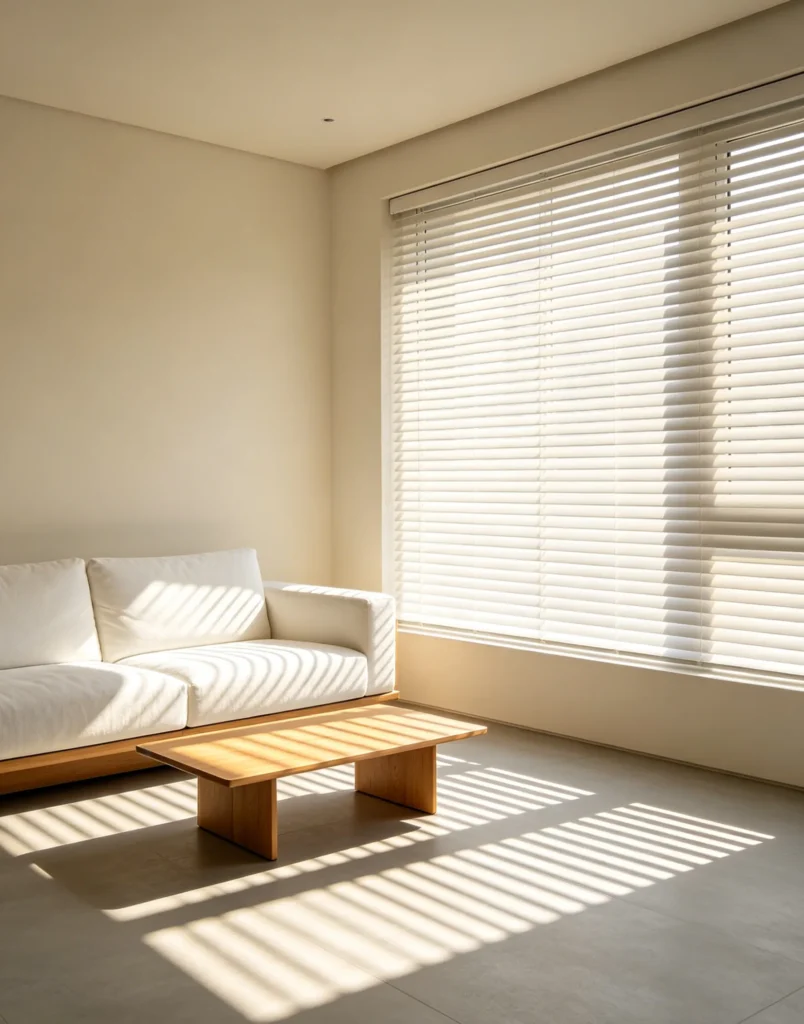
Imagine walking into a sunlit room where gentle beams of light create intricate patterns on the floor, casting a warm and inviting glow that feels like a cozy embrace. This is the magic that Venetian blinds can bring to your home. These horizontal blinds are not just a functional piece of décor; they are an embodiment of style and elegance that has stood the test of time. Over the years, Venetian blinds have evolved from basic window coverings to versatile design elements that can transform any living space. Whether you prefer a minimalist aesthetic or a classic look, these blinds offer endless possibilities.
As you consider options to enhance your home’s interior, it’s essential to understand why Venetian blinds remain a popular choice for homeowners worldwide. Their timeless charm lies in their ability to combine form and function seamlessly. With the simple tilt of a slat, you can control privacy and light in a way few other window treatments can match. Moreover, the durability of Venetian blinds ensures they remain a lasting investment, tailored to fit modern lifestyles while embracing a rich history. Join us as we delve deeper into how these horizontal wonders can redefine your home’s ambiance, blending sophistication with practicality.
The History of Venetian Blinds
Venetian blinds trace their roots back centuries, although their precise origin is shrouded in a bit of mystery. Some historians point to ancient Persia, where simple slatted wood window coverings allowed for ventilation and shade. Others suggest early versions of horizontal blinds appeared in Elizabethan England as ornate wooden shutters. Yet, it was in 18th-century Venice that these slatted shades gained real popularity, exported across Europe and earning the name we still use today: Venetian blinds. Originally crafted from heavy woods like mahogany and teak, they served both practical and decorative purposes in palaces and grand estates.
By the mid-19th century, Venetian blinds had crossed the Atlantic, finding a place in American homes and commercial buildings. Advances in manufacturing allowed for lighter materials—aluminum, plastic, and faux wood—making them more affordable and widely used. Over time, innovations such as cordless lifting systems and improved tilt mechanisms have refined horizontal Venetian blinds into a versatile, user-friendly window treatment. Today, while we still honor their historical legacy, modern venetian blinds combine traditional charm with cutting-edge functionality, making them a timeless choice for contemporary interiors.
Design Versatility: From Classic to Contemporary
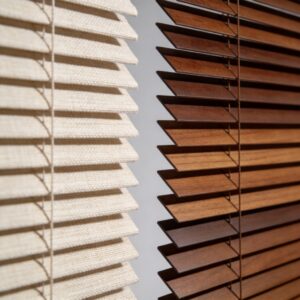
One of the greatest appeals of venetian blinds is their design versatility. In traditional interiors, they complement rich wood finishes and ornate moldings, echoing the craftsmanship of early Venetian ateliers. Rustic kitchens or country-style living rooms benefit from faux-wood slats or distressed finishes that mimic reclaimed timber. Conversely, in sleek, modern spaces, slim aluminum or high-gloss vinyl slats offer a minimalist aesthetic, reflecting clean lines and uncluttered surfaces. Whether you’re aiming for farmhouse charm, industrial chic, or Scandinavian simplicity, horizontal blinds can be tailored to suit the mood.
Color and slat size further expand design possibilities. Narrow 15mm slats lend an airy, delicate appearance, ideal for small windows or rooms flooded with natural light. Wider 50mm slats deliver a bold, graphic statement, perfect for large picture windows or sliding doors. From crisp whites and neutrals to dramatic blacks and custom hues, venetian blinds enable you to tie window treatments into your overall color palette. When paired with fabric valances or drapery panels, these horizontal Venetian blinds create layers of texture and depth, enhancing both visual interest and insulation.
Material Matters: Exploring Different Options
Selecting the right material for your venetian blinds is crucial in balancing aesthetics, durability, and budget. Real wood blinds evoke warmth and luxury, offering a natural grain that varies from oak to walnut. They are ideal for living rooms, bedrooms, and studies where moisture isn’t a concern. Faux-wood blinds, made from PVC or composite materials, mimic the beauty of real timber while resisting humidity and warping—perfect for kitchens and bathrooms. Aluminum blinds, lightweight and virtually maintenance-free, deliver a sleek, contemporary look and are often the most economical choice.
Beyond these primary alternatives, specialized materials cater to unique needs. Bamboo or woven grass blinds introduce an organic, eco-friendly vibe, filtering light softly while adding texture. For high-humidity areas or outdoor covered patios, vinyl-coated aluminum can withstand moisture without corrosion. Each material comes with its trade-offs in cost, maintenance, and insulation value, so consider room function, décor style, and climate when making your decision. With so many options, you can achieve the perfect blend of performance and personality in your horizontal blinds.
Customization Options for Personalized Style
Venetian blinds offer far more customization than off-the-shelf window treatments. Beyond choosing materials, you can adjust slat width, color, finish, and lift type to suit your space. Custom slat widths—from narrow 15mm to wide 70mm—allow you to control the visual rhythm of your windows, while unique finishes like metallic or matte lacquer add depth. Cordless, motorized, or traditional cord lifts give you choices in safety, convenience, and price point.
Additional personalization comes through valance styles, tape or ladder stringing, and bottom rail designs. Tapes in contrasting colors can introduce pattern or tie in with fabrics in your room. Motorized horizontal Venetian blinds integrate seamlessly into smart-home systems, letting you schedule opening and closing times for energy savings and automated privacy. Ultimately, bespoke venetian blinds ensure your window treatments are as unique as your home.
Installation Tips for Venetian Blinds
Proper installation is key to maximizing the beauty and functionality of your venetian blinds. Begin by deciding on inside or outside mount: inside mounts create a flush, clean look, while outside mounts can make windows appear larger and conceal the headrail. Accurate measurements are essential—measure width at three points (top, middle, bottom) and height at two points (left and right), rounding down to allow for smooth operation. Always follow manufacturer guidelines for brackets and clearance.
With measurements in hand, use a level and a pencil to mark bracket positions. Pre-drill pilot holes, especially for wood studs, and secure brackets with appropriate screws and wall anchors if mounting into drywall. Slide the headrail into the brackets, snap on valances, and test the tilt and lift mechanisms. For motorized or cordless blinds, follow wiring or battery instructions carefully. A well-installed set of horizontal blinds will operate smoothly and look professionally fitted.
Maintaining Your Venetian Blinds for Longevity
Regular maintenance keeps venetian blinds looking fresh and operating smoothly. Dust slats weekly with a microfiber cloth, duster, or vacuum attachment to prevent buildup. For deeper cleaning, close the blinds fully, then wipe each slat with a damp cloth and mild detergent. Rinse with a clean, damp cloth and dry immediately to avoid water damage—especially important for wood or faux-wood varieties. For aluminum blinds, you can even submerge them in a tub of soapy water, rinse, and hang to dry.
Lubricate moving parts like tilt rods and lift mechanisms annually with a silicone-based spray to minimize friction. Inspect cords and tapes for fraying and replace them promptly to ensure safety and functionality. If you notice slats sagging or mechanisms sticking, adjust brackets or call a professional for repairs. With simple routine care, your horizontal Venetian blinds will maintain their charm and performance for years to come.
Benefits Beyond Aesthetics: Light Control and Energy Efficiency
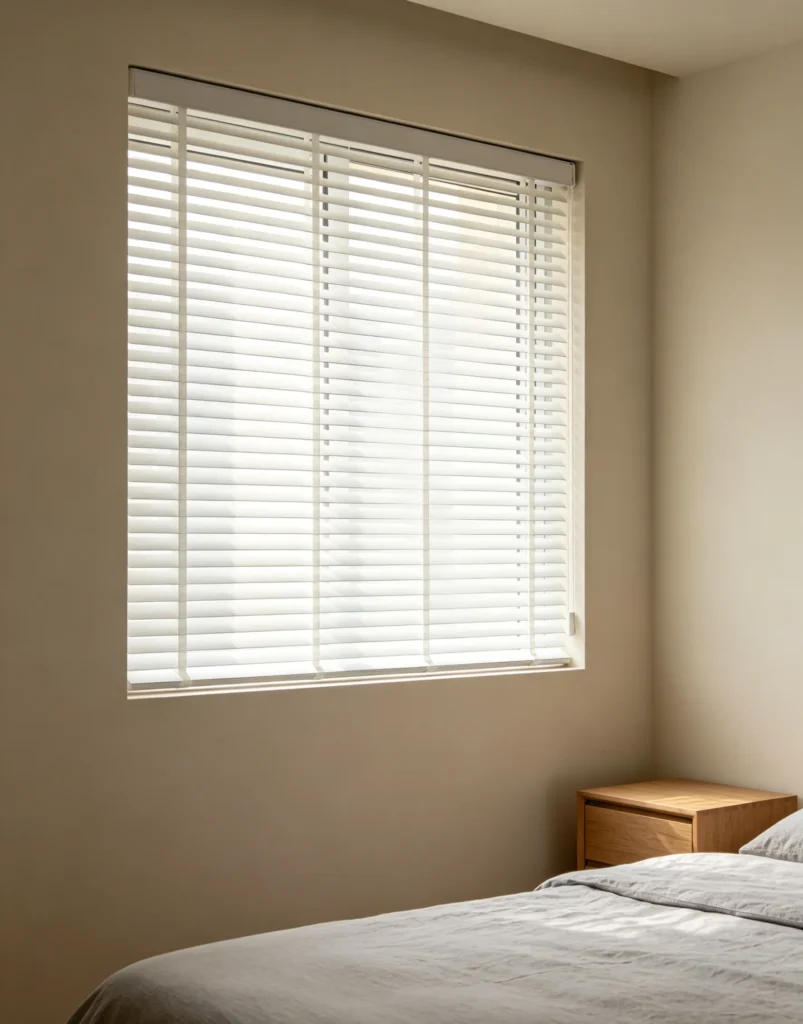
While venetian blinds are celebrated for their style, their ability to regulate light sets them apart. The horizontal slats can be tilted to diffuse harsh sun, reduce glare on screens, or direct ambient light toward the ceiling for a softer glow. Complete closure provides full privacy and darkness for bedrooms or media rooms, while angled slats permit airflow and filtered light—ideal for living areas. No other window treatment offers this level of nuanced control.
Energy efficiency is another advantage. In summer, closing slats during peak sun hours reflects heat away, reducing cooling costs. In winter, tilting slats upward can trap warm air near the window, acting as an insulating barrier. When combined with cellular shades or drapery panels, horizontal Venetian blinds become part of a layered system that maximizes thermal performance. These functional benefits, coupled with timeless design, make venetian blinds a smart, sustainable choice.
Venetian Blinds in Different Room Settings: Living Room, Bedroom, Kitchen
In the living room, venetian blinds create a perfect balance between light and privacy. Tilted slightly upward, they bounce natural light off the ceiling, brightening the space without harsh glare on TVs or coffee-table books. Neutral-tone blinds coordinate with sofas and art, while darker slats provide dramatic contrast and frame garden views. Horizontal blinds also pair beautifully with sheer curtains for a layered effect that softens the room.
Bedrooms benefit from venetian blinds’ privacy and light-blocking capabilities. Heavier faux-wood or coated aluminum slats ensure darker interiors for better sleep. Cordless or motorized options enhance safety in children’s rooms. In kitchens, moisture-resistant materials like vinyl-coated aluminum stand up to steam and splatters, while easy-wipe slats make cleanup a breeze. Across all areas, horizontal Venetian blinds adapt to the demands of each room.
Venetian Blinds vs. Other Window Treatments: A Comparison
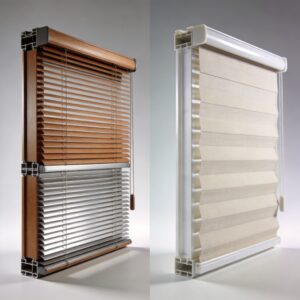
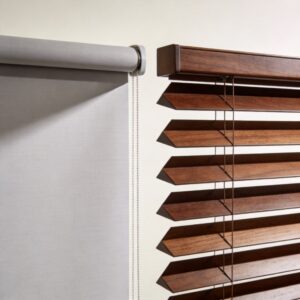
When choosing between window treatments, venetian blinds stand out for precise light control compared to curtains, roller shades, or Roman blinds. Curtains offer softness and pattern but lack adjustable slats; roller shades can darken a room but provide limited airflow. Roman shades add elegance but often require more maintenance and don’t offer the nuanced tilt of horizontal blinds. Vertical blinds suit sliding doors but can feel dated in living rooms or bedrooms.
Compared with cellular shades, which excel at insulation, venetian blinds prioritize directional light management. Panel tracks offer a modern alternative for wide windows but lack versatility. In short, horizontal Venetian blinds strike an ideal compromise—delivering style, privacy, airflow, and energy savings in one adaptive design.
Conclusion: Timeless Elegance Redefined
Venetian blinds combine rich history, adaptable design, and modern functionality to elevate any home décor. Their horizontal slats offer unparalleled light control, while a variety of materials and finishes suit every style aesthetic. From classic wood to moisture-resistant faux options, customization ensures a perfect fit for each room.
Easy installation and low maintenance further underscore their appeal, and the energy-saving benefits position venetian blinds as a practical, sustainable choice. Rediscover the timeless charm of these horizontal wonders and let them transform your living spaces with elegance and efficiency.