Imagine walking into a room bathed in the perfect balance of natural light and privacy, where style and function seamlessly converge. This is not just a dream for interior design enthusiasts; it’s a reality made possible by cellular blinds. Known for their distinctive honeycomb design, these innovative window treatments are much more than mere decor. They promise to transform any space with their unique ability to regulate temperature, enhance energy efficiency, and deliver a sleek, contemporary aesthetic.
In today’s eco-conscious world, home and office designs need solutions that are both sustainable and stylish. Enter cellular blinds, a game-changer in the realm of window dressings. Their intricately woven fabric cells trap air, creating an insulating barrier that can significantly reduce energy costs. With this revolutionary approach, cellular blinds aren’t just about covering windows; they’re about crafting environments that are comfortable, cost-effective, and exquisitely modern. Ready to revolutionize your space? Let’s delve deeper into how this ingenious design can redefine your interiors.
Understanding Cellular Blinds: A Modern Window Solution
Cellular blinds, often referred to as honeycomb blinds, represent a cutting-edge solution in window treatments. Their trademark structure features a series of hexagonal chambers, which closely resemble the comb of a honeybee’s hive. These chambers form continuous cells that trap air, creating an insulating layer between the interior of your home and the outside climate. Unlike traditional curtains or shades, cellular blinds can be adjusted from the top down or bottom up, offering flexible control over privacy, light, and ventilation.
Manufactured from high-performance fabrics, cellular blinds are available in single, double, or even triple cell configurations. Each cell option enhances thermal efficiency by increasing the number of air pockets that act as insulators. This thoughtful engineering makes them an ideal choice for homeowners seeking to balance comfort and energy savings. Additionally, they come in a broad spectrum of colors and textures, allowing seamless integration into various design schemes. Whether you’re updating a cozy bedroom or outfitting a sleek office, cellular blinds provide a modern, functional, and aesthetically pleasing window solution.
Benefits of Cellular Blinds for Energy Efficiency
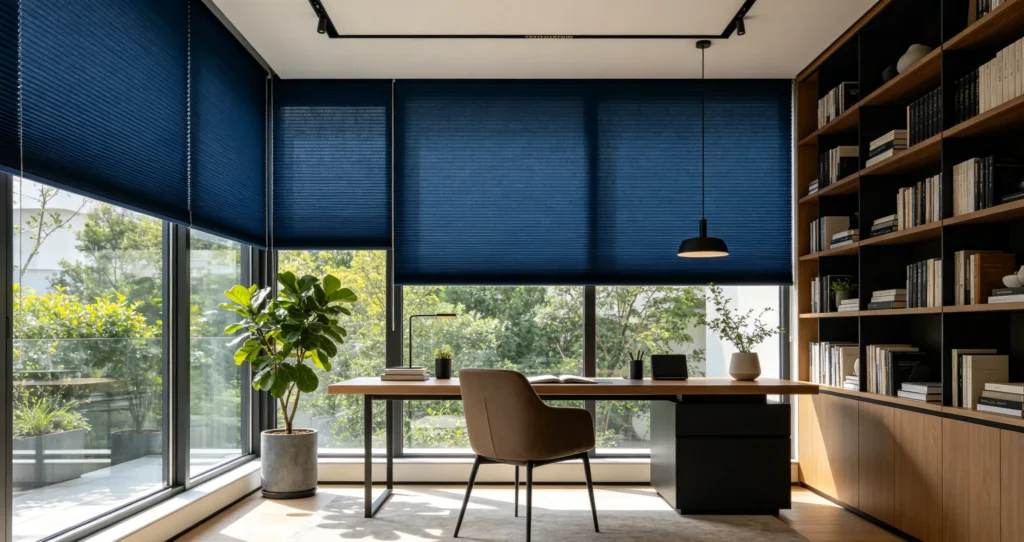
One of the most compelling advantages of cellular blinds is their remarkable contribution to energy savings. The unique honeycomb structure forms dead-air zones that significantly slow down heat transfer. During hot summer days, these trapped air pockets act as a barrier, keeping warm air outside and maintaining a cooler indoor climate. In winter, the same cells retain indoor heat, reducing the reliance on heating systems. This bidirectional insulation helps stabilize temperature fluctuations and can lower both cooling and heating bills by up to 25% in certain climates.
Beyond cost savings, cellular blinds promote sustainability by reducing overall energy consumption. For eco-aware homeowners and businesses, this means a smaller carbon footprint and a more responsible approach to resource usage. Many manufacturers now offer cellular blinds made from recycled or sustainably sourced materials. Some models even carry energy-efficiency certifications, ensuring they meet stringent environmental standards. By choosing cellular blinds, you’re investing in a product that delivers long-term savings while demonstrating environmental stewardship.
Enhancing Light Control with Cellular Blinds
Cellular blinds excel in offering graduated light control, making them a versatile option for any room. Their versatile design allows for precise adjustment, letting you filter soft daylight or block out glare completely. This adaptability is ideal for spaces where lighting plays a crucial role, such as home theaters, nurseries, or reading nooks. Whether you need full privacy at night or a gentle glow during the day, cellular blinds let you fine-tune illumination levels without compromising on style.
Unlike traditional curtains that only offer “open” or “closed” positions, cellular blinds provide incremental shading. Top-down/bottom-up operation enables you to lower the shade from the top for ambient light while retaining privacy at eye level. Additionally, cellular blinds can be paired with blackout liners for rooms requiring total darkness, such as bedrooms or media rooms. The result is a customizable, user-friendly solution that meets a range of lighting demands, ensuring comfort and ambiance in every scenario.
Stylish Designs and Customization Options
Beyond performance, cellular blinds shine as a design element that elevates interior aesthetics. Available in an extensive palette of colors, from soft neutrals to bold accent shades, they complement both modern and classic decors. Fabrics range from sheer weaves that diffuse light gently to opaque materials that provide complete coverage. Many brands offer textured finishes, metallic sheens, and custom printed patterns, allowing homeowners to express their personal style.
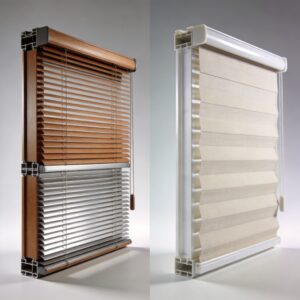
Customization extends beyond fabric choices. You can select from various headrail finishes—sleek aluminum, powder-coated metal, or decorative wooden valances—to match existing fixtures. Cordless, motorized, and smart-home integrated models cater to those seeking safety, convenience, and futuristic functionality. For bay windows, skylights, or uniquely shaped openings, specialty cellular blinds can be custom-cut to fit perfectly. Ultimately, honeycomb blinds blend form and function, making them a dynamic design solution tailored to your lifestyle.

Installation and Maintenance Tips for Cellular Blinds
Installing cellular blinds is typically a straightforward process, whether you’re a seasoned DIY enthusiast or hiring a professional. Most kits include all necessary hardware—mounting brackets, screws, and installation instructions. Before you begin, measure the window recess accurately to ensure a snug fit. Decide on inside or outside mount placement based on aesthetic preference and available depth. Inside mounts offer a streamlined look, while outside mounts can create the illusion of larger windows.
Maintaining cellular blinds is equally simple. Regular dusting with a feather duster or vacuuming with a soft brush attachment keeps the cells clean and free from debris. For deeper cleaning, gently spot-treat stains using a damp cloth and mild detergent, avoiding excessive moisture that could damage the fabric. Cordless and motorized models require minimal upkeep—just a periodic check to ensure smooth operation. With proper care, cellular blinds will maintain their beauty and functionality for years to come.
Cellular Blinds vs. Traditional Window Treatments
When comparing cellular blinds to traditional window treatments like drapes, roller shades, or Venetian blinds, cellular blinds often come out ahead in versatility and performance. Fabric draperies can be heavy and cumbersome, while roller shades typically lack thermal insulation. Venetian blinds may offer adjustable slats, but they fall short in blocking drafts or heat transfer. Cellular blinds combine the best of both worlds: the softness of fabric drapes with the energy-saving properties of advanced insulation.
Moreover, cellular blinds provide enhanced privacy without sacrificing light control. Traditional blinds often leave gaps that allow prying eyes or unwanted light infiltration. In contrast, the snug fit and continuous structure of honeycomb blinds ensure full coverage. Their noise-dampening qualities also set them apart, absorbing ambient sounds and contributing to a quieter indoor environment. While each treatment type has its unique appeal, cellular blinds deliver unmatched energy efficiency, privacy, and aesthetic flexibility.
Creating a Sustainable Environment with Cellular Blinds
Adopting cellular blinds is a simple yet impactful way to make your home or office more sustainable. By reducing reliance on heating and cooling systems, these shades minimize energy waste and lower greenhouse gas emissions. Many leading manufacturers now produce eco-friendly cellular blinds using recycled fabrics and water-based adhesives, further decreasing environmental impact. Some products even incorporate fire-resistant and hypoallergenic materials, enhancing indoor air quality.
For those committed to green building certifications, such as LEED or Energy Star, cellular blinds can contribute valuable points toward accreditation. Their energy-saving performance aligns with criteria for optimized energy use and thermal comfort. Additionally, the durability and long lifespan of honeycomb blinds minimize waste generation over time. Choosing cellular blinds is a proactive measure—investing in both immediate comfort and the long-term health of the planet.
Transforming Different Rooms with Cellular Blinds
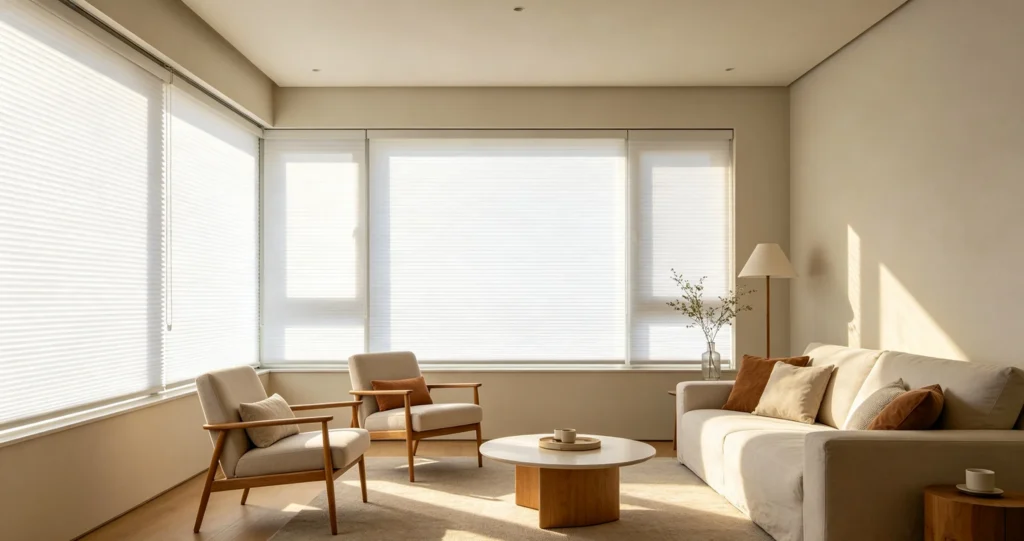
Cellular blinds adapt seamlessly to various spaces, proving their versatility from living areas to specialized rooms. In bedrooms, blackout cellular blinds ensure restful sleep by blocking out streetlights and early morning sun. In kitchens and dining areas, light-filtering cellular blinds provide a soft glow that enhances ambiance during meal preparation or family gatherings. Their moisture-resistant options make them suitable for bathrooms, where humidity control is essential.
Home offices and media rooms benefit greatly from the precise light management cellular blinds offer, reducing glare on screens while maintaining a professional look. In children’s nurseries, cordless cellular blinds prioritize safety without compromising on style. Even in sunrooms or conservatories, cellular blinds help moderate interior temperatures, protecting furniture and plants from UV damage. By tailoring honeycomb blinds to specific rooms, you achieve both functional performance and cohesive design throughout your home.
Budget-Friendly Options and Cost Considerations
While cellular blinds are often perceived as a premium window treatment, a range of budget-friendly options makes them accessible to many homeowners. Entry-level cellular blinds use basic single-cell construction and standard fabrics, delivering core insulation benefits at a lower price point. Mid-range products may include blackout liners or cordless mechanisms without significantly raising costs. By comparing quotes from multiple suppliers and taking advantage of seasonal promotions, you can find competitive pricing that fits your budget.
For larger projects, purchasing blinds in bulk—or opting for semi-custom rather than fully custom sizes—can yield substantial savings. DIY installation also cuts labor costs. When considering cost, factor in long-term energy savings; the initial investment often pays for itself within a few years through reduced heating and cooling bills. With careful planning and resourceful shopping, you can enjoy the advantages of cellular blinds without breaking the bank.
Conclusion: Elevate Your Space with Cellular Blinds
Cellular blinds offer a harmonious blend of style, comfort, and sustainability. Their honeycomb design not only enhances energy efficiency but also provides unparalleled light control and aesthetic versatility. From cozy bedrooms to professional workspaces, these window treatments adapt seamlessly to every environment.
By choosing cellular blinds, you invest in long-term savings and environmental responsibility without sacrificing design integrity. Transform your interiors today and experience the modern elegance and performance of this revolutionary window solution.