Introduction to Swimwear Fabrics
A complete guide to swimwear fabric can help you navigate the various options available and make an informed decision. This guide is for anyone looking to choose the best swimwear fabric for their needs, whether you’re a swimmer, designer, or parent. Choosing the right fabric ensures comfort, durability, and protection in and out of the water.
Swimwear fabrics combine natural or synthetic fibers in specific weaves to create a material that performs in water. Swimwear fabric is designed to handle sun, chlorine, and saltwater, providing the durability and comfort you need for your swimwear. At Yidongtian Trade, we offer high-quality fabrics that help you feel confident and comfortable.
Materials like spandex blends, polyester spandex, and nylon spandex blends deliver excellent UV protection and resist chlorine damage.
When choosing swimwear fabric, consider the type of fabric, its stretch, and how durable it is to find the best fit for your swimsuits or swim trunks.
This guide will help you understand the options available so you can make an informed choice.
Types of Swimwear Fabrics
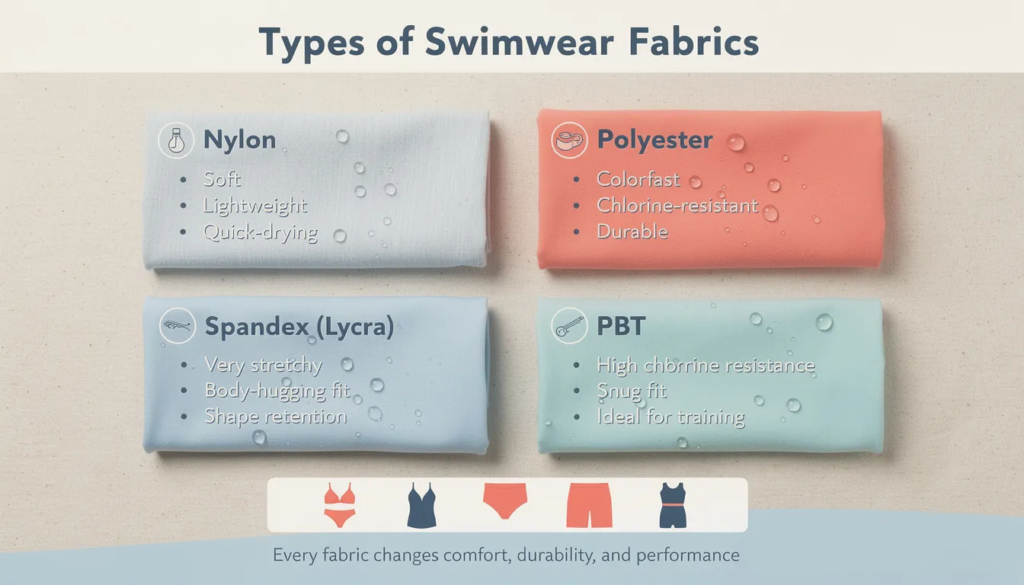
Swimwear fabrics are typically made from synthetic fibers like nylon, polyester, and spandex, often blended for performance. These combinations are engineered to provide the stretch, durability, and quick-drying properties needed for swimwear.
Here’s a quick comparison of the main swimwear fabric types, their key properties, and recommended uses:
| Fabric Type | Key Properties | Recommended Uses |
|---|---|---|
| Nylon-Spandex Blends | Great strength, smoothness, excellent stretch, comfort, and durability. | Everyday swimwear, fashion swimwear, kids |
| Polyester-Spandex Blends | High chlorine resistance, shape retention, good stretch, and colorfastness. | Competitive swimming, frequent pool use |
| Chlorine-Resistant Fabrics | Engineered for maximum chlorine resistance, long-lasting, and retains shape. | Performance swimwear, public pools |
| Recycled Materials | Eco-friendly, strong performance, smooth feel. | Sustainable swimwear, eco-conscious users |
Nylon Spandex Blends
Nylon spandex blends are widely used in swimwear because they hold up well against chlorine and wear, making them a top pick for competitive swimmers and frequent pool users.
Polyester Spandex Blends
Polyester spandex blends offer similar benefits and are popular for high-quality swimwear, suitable for both casual and competitive swimming costumes.
Recycled Materials
Recycled materials like recycled nylon are gaining traction as eco-friendly alternatives that still provide a smooth feel and strong performance.
Synthetic Fibers
Synthetic fibers such as polyester and nylon are common in swimwear fabrics due to their quick-drying and breathable nature. Spandex blends add the stretch and help the fabric return to its original shape after use.
Durable Fabrics
Durable fabrics also support strong seams, which is key to making swimwear last longer.
Fabric Characteristics
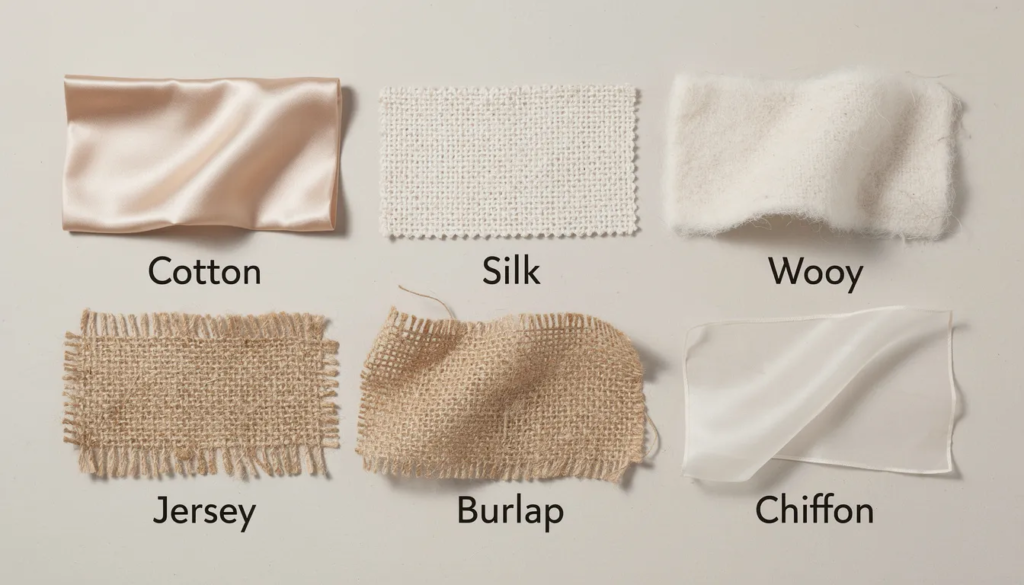
The right swimsuit fabric should fit comfortably, last long, and offer good UV protection. Less absorbent fabrics are preferred because they dry faster and don’t hold excess moisture. Some fabrics can stretch or weaken when wet, so it’s crucial to pick materials that keep their shape during water activities.
Comfort and Fit
Swimwear fabric should provide a snug yet comfortable fit, allowing for freedom of movement without sagging or pinching.
UV Protection
Many high-quality fabrics come with UPF 50 protection, blocking most harmful UV rays to protect your skin.
Absorbency and Drying
Less absorbent fabrics dry faster and don’t hold excess moisture, making them ideal for swimwear.
Color and Pattern Options
Yidongtian Trade offers a wide range of colors, textures, and patterns to match different swimwear styles.
Intended Use
Think about how you’ll use the fabric—whether for competitive swimming or casual beach days—to pick the best option.
Shop Swimwear Fabric
Buying swimwear fabric online is convenient and often more affordable. Yidongtian Trade features collections with various properties and styles to suit your needs.
Look for retailers with a broad selection of quality materials, including polyester, spandex, and nylon spandex blends.
Consider price, shipping, and customer service to ensure a smooth shopping experience.
Many stores sell fabric by the yard, making it easy to buy just what you need.
Some collections even have options for the whole family, from kids to adults.
Competitive Swimming and Fabric Choice
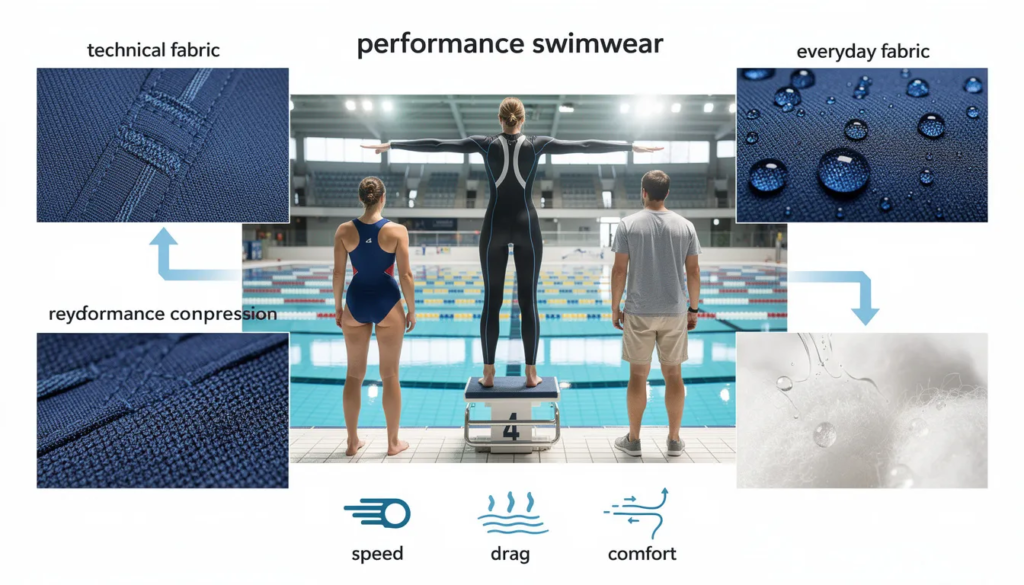
Competitive swimwear needs fabrics that reduce drag and resist chlorine well, such as polyester spandex and nylon spandex blends.
Fitted swimwear is crucial for performance, and the fabric choice can significantly affect how well it works.
When picking material for competitive suits, pay attention to stretch, durability, and UV protection.
High-quality fabrics used in professional swimwear often perform just as well as new materials, even after many uses.
Recycled Materials and Sustainability
Recycled materials like recycled nylon offer a sustainable option that reduces waste and environmental impact.
Eco-friendly swimwear is becoming more popular, and recycled fabrics help lower your carbon footprint.
Many retailers now include sustainable swimwear fabric options, making it easier to choose responsibly.
Fabric Care and Maintenance
Washing
- Wash your swimwear in cold water to preserve elasticity and color.
Drying
- Lay swimwear flat to dry; avoid wringing or using a dryer, which can damage fibers.
Rinsing After Use
- After swimming, rinse your suit thoroughly with fresh water to remove chlorine and other chemicals.
Avoiding Damage
- Avoid fabric softeners and bleach, as they can damage the fabric and reduce its lifespan.
General Maintenance
- Follow specific care instructions based on the fabric type.
- Regular cleaning helps prevent bacteria and odors.
Choosing the Right Fabric
Choosing the right swimwear fabric is key to making swimwear that looks great, feels comfortable, and stands up to your activities. With so many options, consider what matters most—whether it’s durability for frequent swims, eco-friendly materials, or a fabric that moves with you.
Here’s a summary comparison of the best swimwear fabrics, their properties, and recommended uses:
| Fabric Type | Key Properties | Recommended Uses |
|---|---|---|
| Nylon-Spandex Blends | Great strength, smoothness, excellent stretch, comfort, and durability. | Everyday swimwear, fashion swimwear, kids |
| Polyester-Spandex Blends | High chlorine resistance, shape retention, good stretch, and colorfastness. | Competitive swimming, frequent pool use |
| Chlorine-Resistant Fabrics | Engineered for maximum chlorine resistance, long-lasting, and retains shape. | Performance swimwear, public pools |
Spandex blends like polyester spandex and nylon spandex blends are popular for their stretch, quick-drying ability, and shape retention. These materials work well for fitted swimwear, competitive swimming, casual swim trunks, and cover-ups. For sustainability, recycled nylon and other recycled materials offer the same performance as new fabrics while being eco-friendly.
When you shop swimwear fabric by the yard, you’ll find plenty of colors, prints, and textures to suit any style—from bright shades for kids’ swimsuits to elegant patterns for one-piece suits. For pool use, fabrics with chlorine resistance help your suits stay vibrant and durable. If sun protection is a priority, look for materials with excellent UV protection to keep your skin safe during long days outdoors.
In my experience, investing in quality fabric upfront saves time and money down the line because the swimwear holds up better and stays comfortable longer. Here’s what actually worked for many: choosing fabrics with good chlorine resistance and UV protection made a noticeable difference in how long suits lasted and how well they performed.