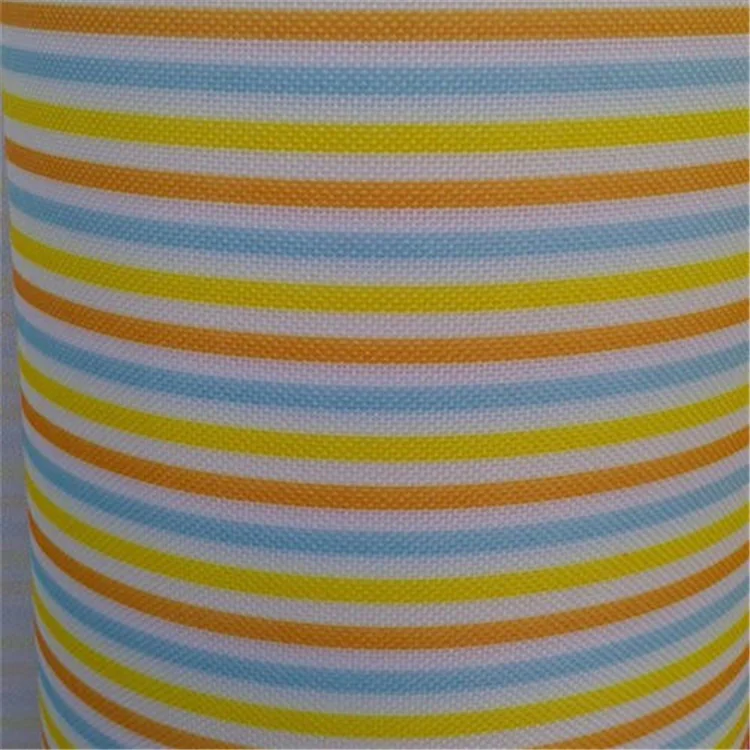
Description
Key Benefits
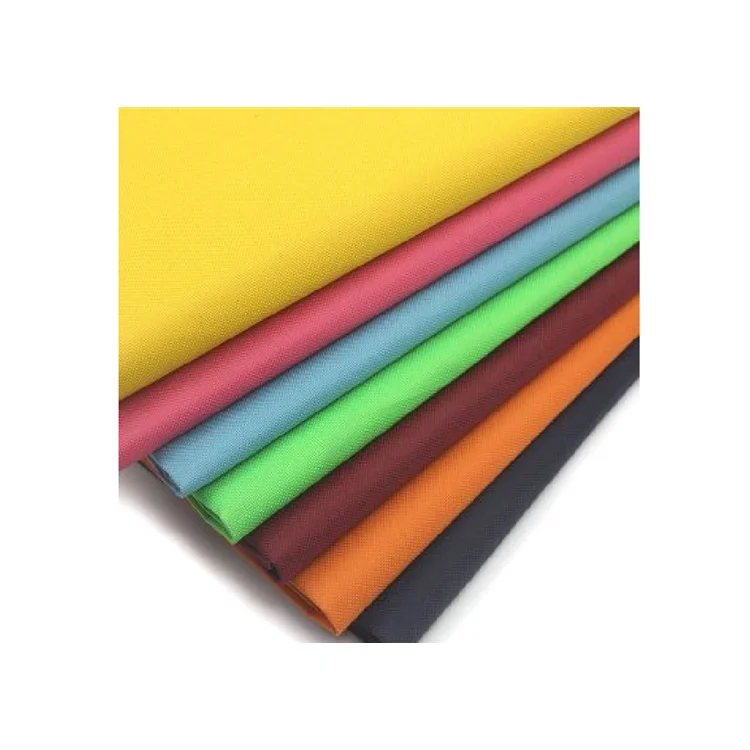
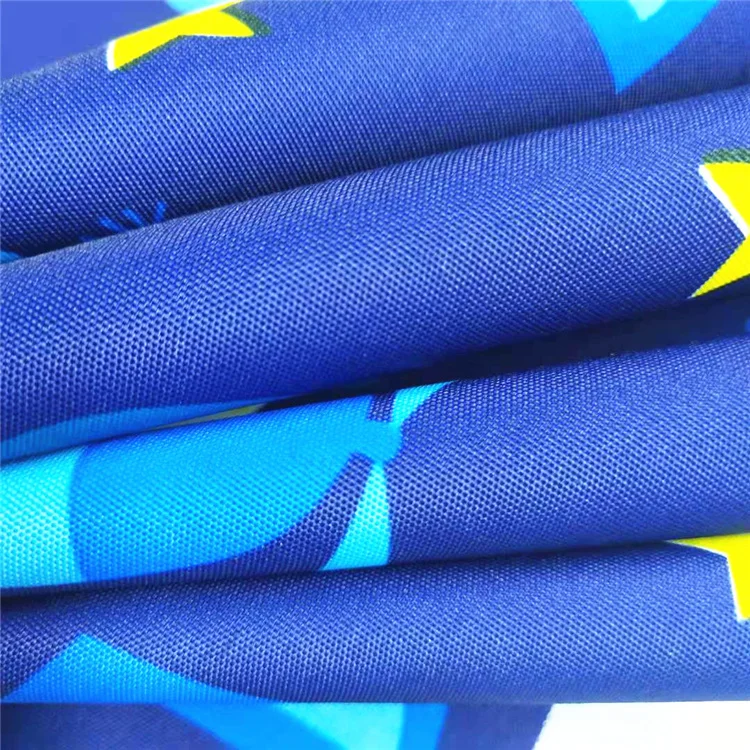
This 100 Percent Polyester Oxford Cloth features a specialized PU, PE, or PVC coating designed for high-performance outdoor applications. Whether you are manufacturing a family camping tent, a heavy-duty raincoat, or industrial tarpaulin, this fabric provides a robust barrier against wind and water while maintaining structural integrity. The printed finish allows for brand customization without compromising durability.
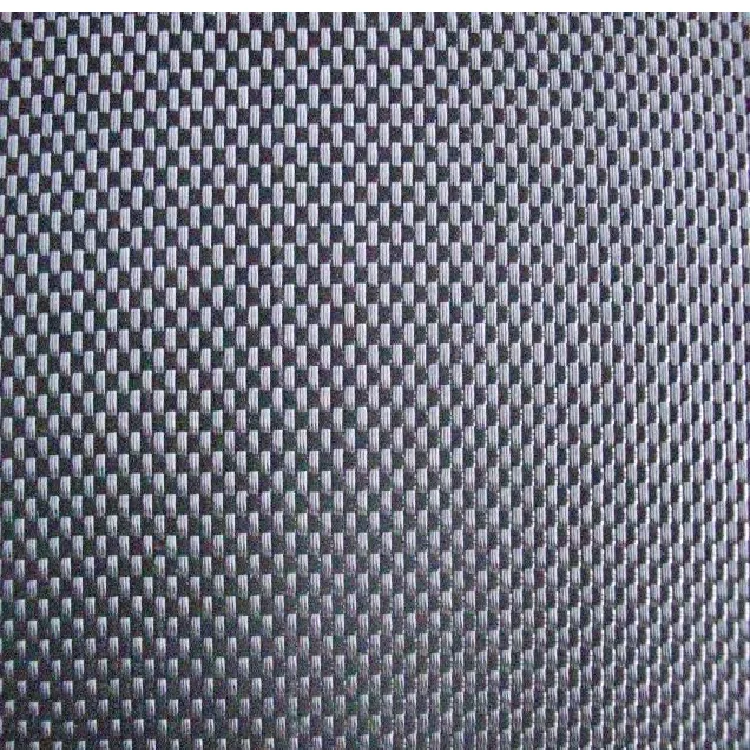
Why choose this material? Unlike standard woven fabrics, the Oxford weave combined with a waterproof coating ensures that seams resist tearing under stress. You get the flexibility of a textile with the water resistance of a membrane. For manufacturers, this means fewer returns due to leaks and a longer product lifecycle for end-users who face harsh weather.
Superior Weather Resistance
- PU Coating: Ideal for rainwear; remains flexible in cold temperatures preventing cracks.
- PE Coating: Offers a cost-effective solution for temporary shelters and ground sheets.
- PVC Coating: Provides maximum durability for heavy-duty tarpaulins and industrial covers.
Printability and Aesthetics
- Vibrant Printing: The polyester base accepts dye-sublimation and pigment printing for high-visibility safety colors or brand logos.
- Versatile Use: Suitable for both interior tent linings and exterior raincoat shells.
Dimensional Stability
- Low Stretch: The Oxford construction prevents sagging when used in tent walls.
- Tear Strength: Engineered to withstand high wind loads without ripping at the stitch lines.
Real Customer Feedback
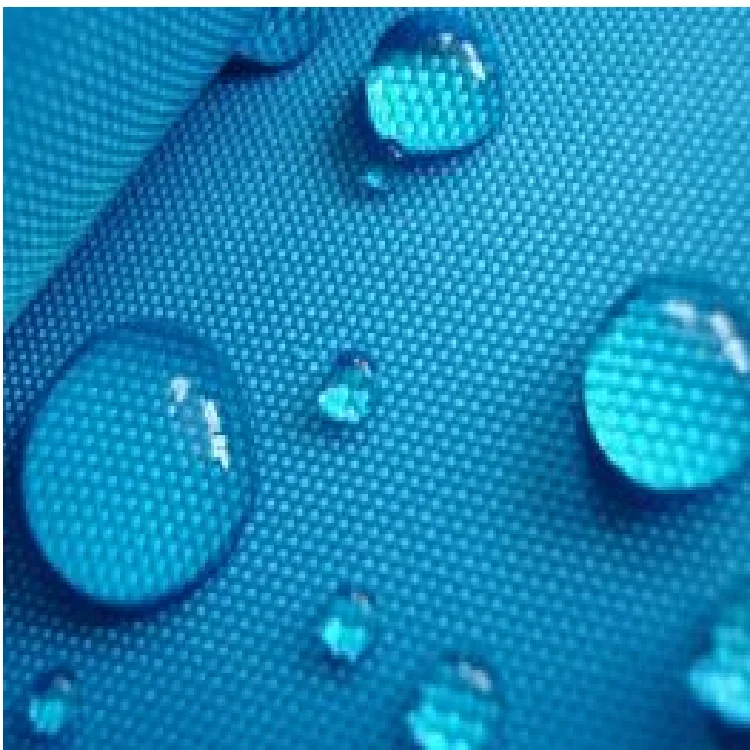
“We switched our tent line to this Oxford cloth with a PU backing last season. The difference in the ‘wet-out’ factor is night and day. Previous materials would soak through after 30 minutes of rain, but this one beads water off immediately. Our customers specifically mention the dryness and the lack of that heavy, damp smell inside the vestibule.”
— Mark T., Production Manager, Summit Gear Manufacturing
Critical Evaluation
Honestly, while this fabric excels in waterproofing, the PVC-coated variant is noticeably stiffer than the PU option. If you are creating ultra-packable minimalist raincoats, the PU version is your friend. The PVC version is bulkier, but for a breathable outdoor clothing alternative with a different hand-feel, you might consider comparing it to our 272 Twill Nylon option. However, for fixed structures like awnings, the stiffness is actually a benefit.
Comparison Table
| Feature | This Product (Polyester Oxford) | Standard Non-Coated Polyester | Cotton Canvas |
|---|---|---|---|
| Waterproof Rating | High (Water Column 3000mm+) | Low (None) | Medium (Requires Wax) |
| Drying Time | Fast | Medium | Slow |
| Mildew Resistance | Excellent | Good | Poor |
| Weight | Lightweight to Medium | Lightweight | Heavy |
| UV Degradation | Moderate (Requires treatment) | Poor | Good |
Technical Specifications
- Material: 100 Percent Polyester Oxford Yarn
- Coating Options: PU (Polyurethane), PE (Polyethylene), PVC (Polyvinyl Chloride)
- Finish: Printed or Solid Dye
- Common Weights: 150D, 210D, 300D, 420D, 600D
- Width: Typically 1.5m – 2.5m (Please confirm with supplier)
- Water Repellency: 90+ Degrees Spray Test
- Flammability: Can be treated to meet CA Prop 65 or CPAI-84 standards upon request.
Usage Recommendations
For tent manufacturing, we recommend the 300D to 600D variants with a PU coating for the best balance of weight and strength. For raincoat production, the 150D to 210D PU coated fabric offers the most comfort and packability. If you are producing heavy-duty luggage or tool bags, the PVC coating on a 600D base provides unparalleled abrasion resistance.
FAQ
Can I weld or RF seal the seams on this fabric?
Yes, the PVC-coated version is excellent for high-frequency (RF) welding, creating fully sealed seams without stitching. The PU version is better suited for traditional sewn and taped seams.
Is this fabric suitable for printing my company logo?
Absolutely. The polyester face is receptive to screen printing and heat transfer printing. For complex, multi-color designs, we recommend a white or light-colored base fabric. For custom on-demand printing, you might also look at our custom polyester Oxford fabric for luggage which shares similar dye characteristics.
How do I clean this material?
Simply wipe down with a damp cloth and mild soap. Do not machine wash or dry clean as this can break down the coating over time. Rinse thoroughly to remove dirt that can abrade the fibers.
What is the difference between the PU and PE coating?
PE (Polyethylene) is generally cheaper and offers excellent water resistance but is less breathable. PU (Polyurethane) is more flexible, resistant to hydrolysis, and allows for a softer hand-feel, making it superior for apparel. For a softer, more towel-like application in different weather conditions, check out our soft absorbent microfiber beach towel for comparison in material handling.
Do you offer samples for testing?
Yes, we highly recommend requesting a sample swatch to test the coating flexibility in your specific climate. This allows you to test the water column pressure and tear strength before committing to a bulk order. We suggest testing both the PU and PVC variants to see which aligns with your machinery and end-user needs.