Imagine waking up slowly as the morning sun gently illuminates your room, all without having to fumble for a curtain pull or twist a wand open. Welcome to the transformative world of automatic blinds, where convenience meets energy efficiency, and your home becomes a haven of modern comfort. These intelligent systems not only simplify your daily routine but also optimize natural light and privacy at your command. As technology continues to evolve, embracing automated blinds is no longer a futuristic fantasy; it’s an accessible upgrade that can redefine your living experience.
As we delve into the future of home living, envision the seamless integration of automatic blinds that can be controlled with a simple voice command or a touch on your smartphone. This small yet significant innovation holds the power to revolutionize how we interact with our living spaces. No longer just a luxury, automated window treatments bring enhanced security, energy savings, and an elegant aesthetic to any home. Join us in exploring the myriad benefits of this smart home feature, and discover how making this essential shift could be a game-changer in blending technology with everyday life.
The Evolution of Home Automation
Home automation has come a long way from its humble beginnings in the mid-20th century when simple devices like programmable thermostats and one-button lighting controls began to emerge. Early innovators sought to make domestic life more comfortable, but these systems were often expensive, proprietary, and limited in scope. By the late 1970s, developments in microprocessors paved the way for more advanced solutions. Yet it wasn’t until the 1980s and 1990s that motorized blinds first appeared, offering homeowners the novelty of raising or lowering window coverings with a wired wall switch. These early electric blinds, while revolutionary for their time, lacked the connectivity and ease of use that modern systems boast.

The turning point arrived with the advent of wireless communication protocols and the rise of the Internet of Things (IoT). Suddenly, homeowners could control lights, HVAC, security cameras, and motorized shades through centralized hubs or even desktop applications. Integration was still clunky, and many devices operated in silos, but the promise of a truly interconnected home was born. The 2000s saw the first wave of smartphone apps designed specifically for smart devices, enabling remote control of lights and thermostats. By the 2010s, voice assistants like Amazon Alexa and Google Assistant began taking center stage, breathing new life into the concept of home automation.
Within this evolving ecosystem, automated blinds—or power blinds—have become one of the most sought-after upgrades. No longer confined to preset timers or remote controls, today’s automatic blinds can learn your daily routines, adjust themselves based on ambient light, and respond instantly to voice commands or smartphone taps. This evolution has transformed a simple window treatment into an intelligent component of a fully automated home, demonstrating how far we’ve come from the early days of manual curtain pulls.
Benefits of Automatic Blinds
Automatic blinds offer an impressive range of advantages beyond the mere novelty of remote operation. First and foremost, they provide unparalleled convenience. With a tap on your smartphone or a simple voice command, you can adjust window coverings across your entire home in seconds. Gone are the days of manually pulling cords or struggling with heavy drapery. Whether you’re lounging on the couch or halfway out the door, electric blinds respond instantly to your needs.
Beyond convenience, automated blinds contribute to enhanced privacy and security. In a fully integrated smart home setup, you can program your blinds to open and close at specific times, even when you’re away on vacation. This simulated presence deters potential intruders by giving the appearance that someone is always home. Moreover, by optimizing natural light throughout the day, motorized blinds help regulate room temperature, reducing reliance on heating and cooling systems. This leads to significant energy savings and lower utility bills—an especially compelling benefit for environmentally conscious homeowners.
Finally, the aesthetic appeal of automatic blinds cannot be overlooked. Clean lines, modern fabrics, and discreet hardware ensure your window treatments blend seamlessly with contemporary interior design. Whether you choose sheer automated blinds to filter soft daylight or blackout power blinds for ultimate darkness, there’s a style to suit every room. Altogether, these benefits make automatic blinds a smart investment for homeowners seeking comfort, style, and efficiency.

Enhancing Convenience and Accessibility
The core appeal of automatic blinds lies in their ability to simplify daily routines. No more tugging ropes or wrestling with heavy slats—just one-touch or voice-activated control for every window. Families with young children or elderly homeowners especially appreciate the safety aspect; without dangling cords, there’s no risk of accidental entanglements. Furthermore, those with mobility challenges find automated blinds far more accessible, granting independence in adjusting light and privacy without assistance.
For modern lifestyles, the ability to schedule window coverings elevates convenience to a new level. Imagine your automated blinds raising slowly at dawn to greet the day or closing as the sun sets to signal bedtime. These smart routines can be customized per room, per day of the week, and even per season, thanks to advanced timers and geofencing features. Whether you’re working from home, unwinding after a long day, or waking up naturally with the sunrise, electric blinds adapt to your preferences, ensuring comfort and ease with minimal effort.
Moreover, by integrating with voice assistants and smart home apps, motorized blinds allow hands-free operation that’s particularly useful when your hands are full—say, carrying groceries or soothing a fussy toddler. Simply issue a command like “Alexa, lower the blinds in the living room,” and watch your automated window treatments respond instantly. This synergy between technology and daily life underscores how automatic blinds redefine home accessibility and streamline everyday living.
Energy Efficiency and Cost Savings
One of the most compelling arguments for installing automatic blinds is their potential to lower energy consumption and reduce utility bills. Smart window coverings can be programmed to close during the hottest part of the day, blocking solar heat gain and lessening the load on air conditioning systems. Conversely, scheduling blinds to open during winter afternoons lets in free solar warmth, aiding your heating system and reducing fuel use. Over time, these small adjustments translate into significant energy and cost savings.
Electric blinds equipped with ambient light sensors take efficiency even further by reacting in real time. When sunlight intensity spikes, these sensors trigger the blinds to close partially or fully, maintaining a stable indoor temperature and preventing glare. During cooler, cloudy periods, they automatically raise to maximize daylight and reduce reliance on artificial lighting. By harnessing natural light and heat, automated blinds help create a balanced indoor environment that respects both comfort and sustainability.
While the initial investment in motorized or power blinds may exceed that of traditional shades, homeowners often recoup these costs through long-term energy savings. Many utility companies and government programs even offer rebates or incentives for smart home upgrades that enhance energy efficiency. Factoring in reduced heating, cooling, and lighting expenses, the return on investment for automatic blinds can be realized within a few years—making them a financially savvy choice as well as an eco-friendly one.
Customization and Style Options
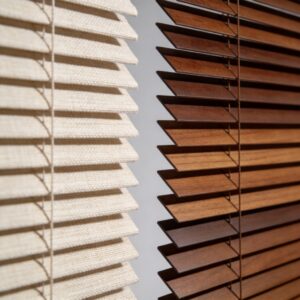
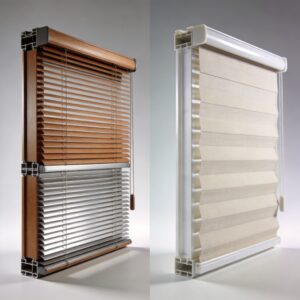
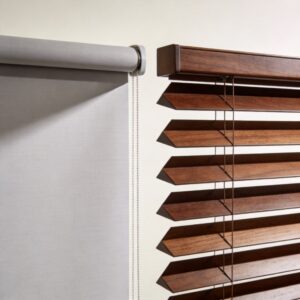
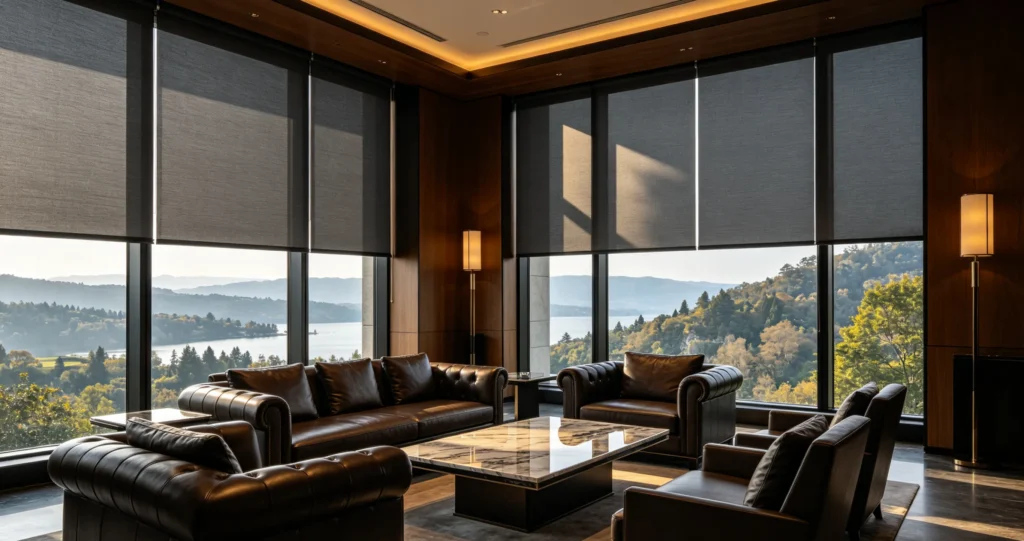
Automatic blinds come in an extensive array of styles, materials, and finishes, ensuring there’s a perfect match for every décor. From sleek roller shades to layered Roman styles, motorized blinds offer the same variety as manual treatments but with added intelligence. Choose from light-filtering fabrics that softly diffuse daylight or blackout power blinds that guarantee total darkness in bedrooms or media rooms. The diversity of materials—including natural woods, bamboo, and high-performance synthetics—lets you tailor window coverings to both aesthetic and functional needs.
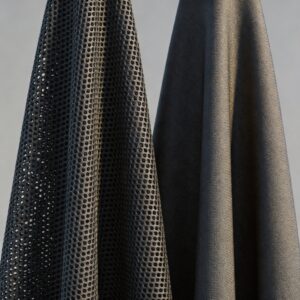
Color customization is another standout feature. Many manufacturers allow homeowners to select custom hues and patterns to harmonize with existing wall paint, upholstery, or accent pieces. Some brands even offer dual-fabric options, where sheer and opaque materials are combined in a single shade for maximum versatility. Whether you prefer the minimalist appeal of neutral grays and beiges or crave bold, statement-making colors, there’s a configuration that reflects your personal style.
In addition, advanced control options like directional slats on automated blinds or motorized top-down/bottom-up operation give you finer control over light and privacy. These features enable partial coverage that still lets in natural light while shielding prying eyes. Customization extends beyond appearance: smart apps let you define schedules, set scenes, and group blinds by room or zone. This flexibility ensures that your investment in electric blinds isn’t just about function—it’s about crafting a living environment that aligns precisely with your vision.
Integration with Smart Home Systems
Connecting your automatic blinds to a wider smart home ecosystem unlocks their full potential. Most leading brands support major platforms like Amazon Alexa, Google Assistant, Apple HomeKit, and proprietary hubs. This interoperability allows you to include motorized blinds in multi-device routines. For instance, saying “Good morning” to your voice assistant could trigger bedroom shades to open, lights to brighten gradually, and your thermostat to adjust to a comfortable temperature.
Beyond voice commands, integration with home automation systems such as Control4, Crestron, or Savant offers professional-grade control and scene setting. In a fully integrated setup, a single “Movie Time” button could lower blackout power blinds, dim overhead lights, and activate your audio-visual equipment all at once. Geofencing capabilities let your blinds react to your smartphone’s location—closing when you leave for work and opening as you return home. This level of coordination elevates the experience from standalone functionality to a cohesive and intelligent living environment.
Moreover, open APIs and firmware updates ensure your automated blinds remain compatible with evolving technologies. Whether you’re adding new IoT devices or updating your home network, electric blinds can be seamlessly incorporated without extensive rewiring or hardware overrides. This adaptability not only future-proofs your investment but also simplifies management by consolidating all smart home controls into one intuitive interface.
Installation and Maintenance Considerations
While the appeal of automatic blinds is undeniable, proper installation and regular maintenance are essential to ensure longevity and reliable performance. Many homeowners opt for professional installation, especially when integrating with complex smart home systems or retrofitting older windows. Certified technicians handle wiring, mount motors, and configure controllers to ensure seamless operation. For plug-and-play models, DIY installation may be feasible. These versions often come with battery-powered motors that snap into place, minimizing hassle.
Maintenance for automated blinds is relatively straightforward. Routine cleaning involves gently dusting or vacuuming fabric shades with a soft attachment, while harder surfaces can be wiped with a damp cloth. Motorized components and control modules should be inspected annually to ensure connections remain tight and firmware is up to date. Battery-powered blinds require occasional battery replacement or recharging; electric blinds with hardwired power need minimal attention but should be checked for loose wiring or wear.
Important considerations include measuring window dimensions accurately, choosing compatible mounting brackets, and verifying Wi-Fi signal strength for reliable wireless control. If your home has brick or plaster walls, special anchors may be necessary. Additionally, discuss warranty terms with your manufacturer—many brands offer multi-year guarantees on motors and electronics. By planning installation carefully and adhering to a basic maintenance schedule, you’ll maximize the lifespan and functionality of your power blinds.
Addressing Privacy and Security Concerns
As we embrace connected devices like automatic blinds, it’s natural to have questions about privacy and data security. Reputable brands prioritize end-to-end encryption, ensuring that commands sent from your smartphone or voice assistant cannot be intercepted by unauthorized parties. Secure pairing methods and two-factor authentication add extra layers of protection, making it extremely difficult for hackers to gain control of your window treatments.
On the physical security front, automated blinds contribute positively by simulating occupancy and shielding interior views. However, it’s crucial to select models with tamper-resistant hardware and secure mounting. Some electric blinds feature locking brackets or child-safe mechanisms that prevent manual override from the outside. Regularly updating firmware also safeguards against potential vulnerabilities, as manufacturers often release patches to address emerging threats.
Moreover, keep in mind that privacy isn’t solely about digital security. Automated blinds installed in bedrooms or home offices should offer blackout or privacy fabrics that block visual access completely. Combining these materials with smart scheduling ensures that sensitive areas of your home remain concealed at all hours. By selecting high-quality, security-focused brands and maintaining best practices—strong passwords, encrypted networks, and firmware updates—you can enjoy the convenience of automated blinds without compromising privacy.
Overcoming Common Misconceptions
Despite the growing popularity of automatic blinds, several myths persist that may deter potential adopters. One common misconception is that motorized or electric blinds are prohibitively expensive. While starter kits can be pricier than traditional shades, prices have dropped significantly in recent years thanks to increased competition and mass production. Additionally, the long-term energy savings and convenience often offset the initial outlay, making them cost-effective over time.
Another belief is that installation is overly complex. In reality, many modern systems offer DIY-friendly options with plug-and-play motors and intuitive apps. These battery-operated units require minimal tools and can be set up in under an hour. For those seeking professional integration, certified installers handle all wiring and configuration, alleviating any concern about technical hurdles. Likewise, fears of mechanical failure are largely unfounded. High-quality power blinds are tested for tens of thousands of cycles and backed by multi-year warranties.
Finally, some homeowners worry that automated blinds will look bulky or out of place. Today’s designs are sleek and low-profile, with concealed motors and slim headrails. Fabrics and finishes rival those of manual treatments, ensuring that your window coverings enhance rather than detract from interior décor. By dispelling these misconceptions, it becomes clear that automated blinds are accessible, reliable, and stylish solutions for modern living.
Embracing the Future: Making the Switch
Transitioning to automatic blinds begins with assessing your home’s specific needs—window sizes, control preferences, and integration requirements. Start by identifying high-impact areas such as living rooms, bedrooms, and south-facing windows where motorized blinds will deliver the greatest comfort and energy benefits. Research reputable brands that offer customizable solutions and compare features like battery versus hardwired power options.
Next, plan your installation approach. DIY enthusiasts can opt for plug-and-play systems with rechargeable batteries, while homeowners seeking a polished setup may hire certified technicians to handle wiring and control system integration. Don’t forget to take advantage of rebates or financing programs that reduce upfront costs. Once installed, explore scheduling routines and voice assistant commands to fine-tune performance over time.
By embracing automated blinds, you’re not just upgrading window treatments—you’re investing in the future of home living. These intelligent solutions streamline daily tasks, enhance comfort, and unlock energy savings, all while elevating your décor. The era of manual adjustments is fading; now is the time to let technology transform your space with effortless style and convenience.
Conclusion
Automatic blinds represent a significant leap forward in home automation, blending convenience, efficiency, and style into one intelligent solution. From reducing energy bills through optimized daylight control to enhancing privacy and accessibility, motorized blinds cater to modern lifestyles and evolving technological landscapes.
By embracing this innovation, homeowners can transform their living spaces into adaptable, smart environments that respond to daily routines and personal preferences. The future of home living is here—make the switch to automated blinds and experience a new standard of comfort, security, and sophistication.