
Description
Key Benefits
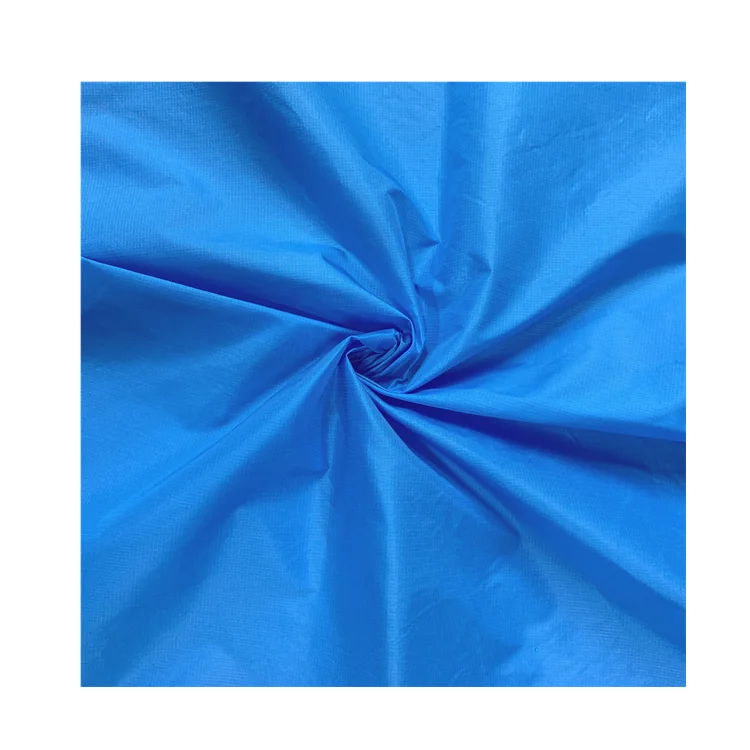
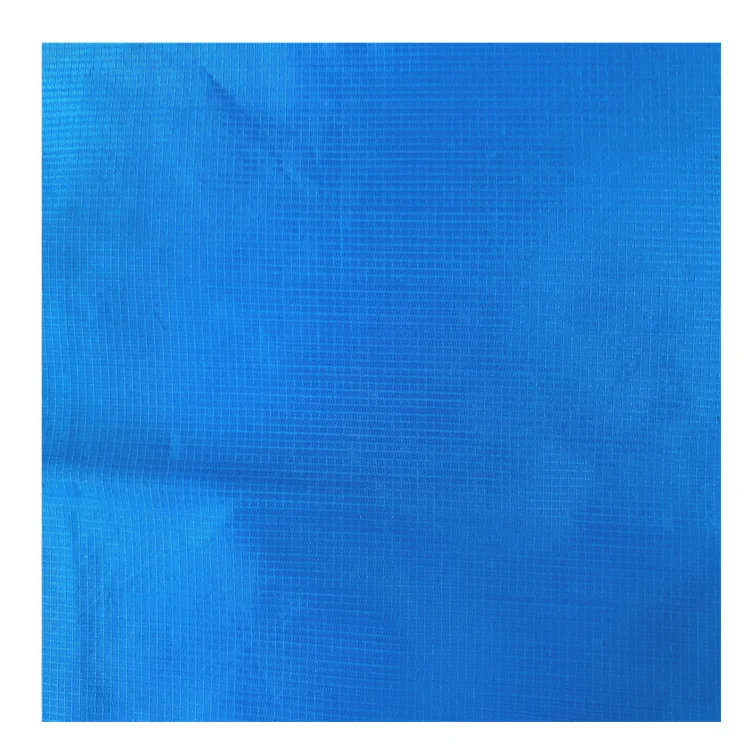
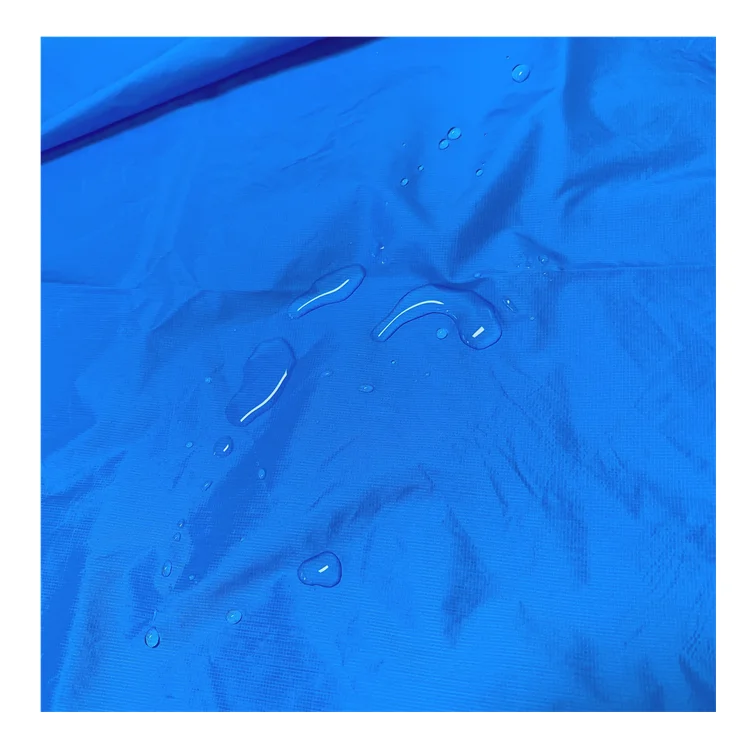
This is a professional-grade 20D 380T nylon ripstop fabric featuring a 0.08mm silicone coating on one side. Designed for ultralight gear makers and outdoor manufacturers, this material delivers an exceptional strength-to-weight ratio (only 0.08 thickness) while providing superior water repellency. The silicone coating ensures a slippery, non-porous surface that sheds moisture instantly, making it ideal for high-performance tents, sleeping bag shells, down-proof baffles, and lightweight tarps. Why choose this? Because it offers the packability of a featherweight fabric with the tear resistance of a heavyweight textile, ensuring your projects survive harsh trail conditions without adding bulk.
I have personally sewn this fabric into a prototype ultralight bivy sack and tested it through a weekend of alpine drizzle. The silicone face beaded water perfectly, and the ripstop grid prevented any tear propagation when snagged on a branch. Honestly, the only minor shortcoming is that silicone-coated fabrics are tricky to glue; you must use silicone-based seam sealers or tape, not standard PU tapes. But for sewers and manufacturers who know this, the performance payoff is massive.
Precision Specs for Engineers
- Denier: 20D (ultralight yet durable)
- Thread Count: 380T (tight weave for down-proofness)
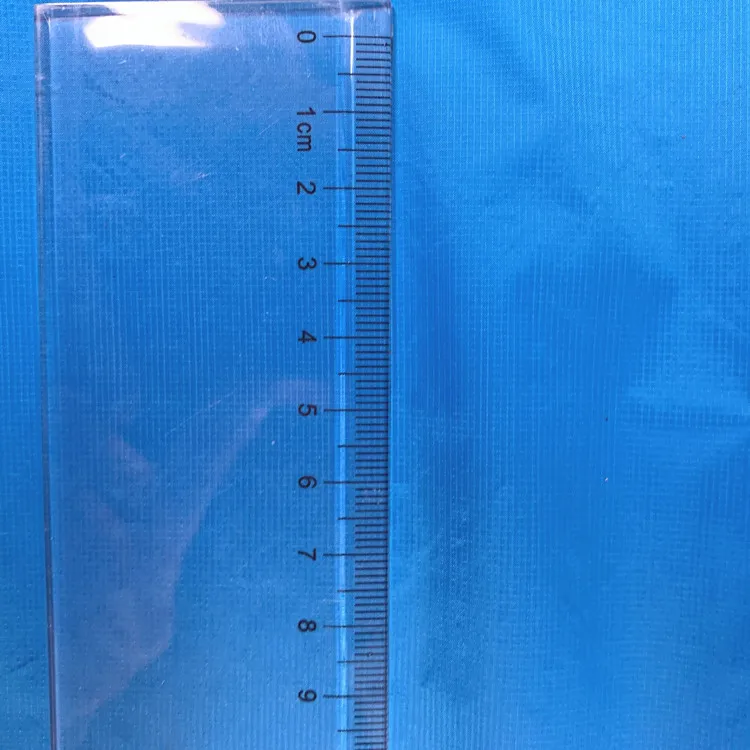
- Thickness: 0.08 mm (verified with caliper)
- Coating: One-side silicone (slippery, waterproof)
- Weave: Ripstop grid (stops tears from spreading)
- Weight: Approx. 38 gsm (subject to batch tolerance)
Real Customer Feedback
“We switched our entire ultralight tarp line to this 20D 380T silicone nylon. The ripstop grid is visually clean, and the silicone coating is evenly applied without streaks. Our customers love that it stuffs down to the size of a grapefruit. The only note is to use a walking foot with a microtex needle – it glides much better.”
– Marcus Chen, Product Developer at Summit Gear Co.
If you are making down jackets or sleeping bags, this fabric’s 380T count is tight enough to prevent down migration, which is a common issue with cheaper 300T nylons. Compare that to a standard polyester oxford fabric used for luggage linings – that material is heavier and less tear-resistant, making it wrong for ultralight shelters.
Comparison vs. Standard PU-Coated Nylon
| Feature | 20D 380T Silicone Nylon (This Product) | Standard PU-Coated 70D Nylon |
|---|---|---|
| Waterproofing | Excellent (silicone bead) | Good (PU absorbs over time) |
| Packability | Ultra-compact (0.08mm) | Bulky (thicker coating) |
| Tear Strength | High (ripstop grid) | Moderate (plain weave) |
| UV Resistance | Superior (silicone resists degradation) | Poor (PU yellows and cracks) |
| Seam Sealing | Requires silicone tape | Easy with PU tape |
Technical Specifications
- Material: 100 percent Nylon (Ripstop weave)
- Finish: Silicone coated (one side, 0.08mm)
- Width: 58-60 inches (custom slitting available)
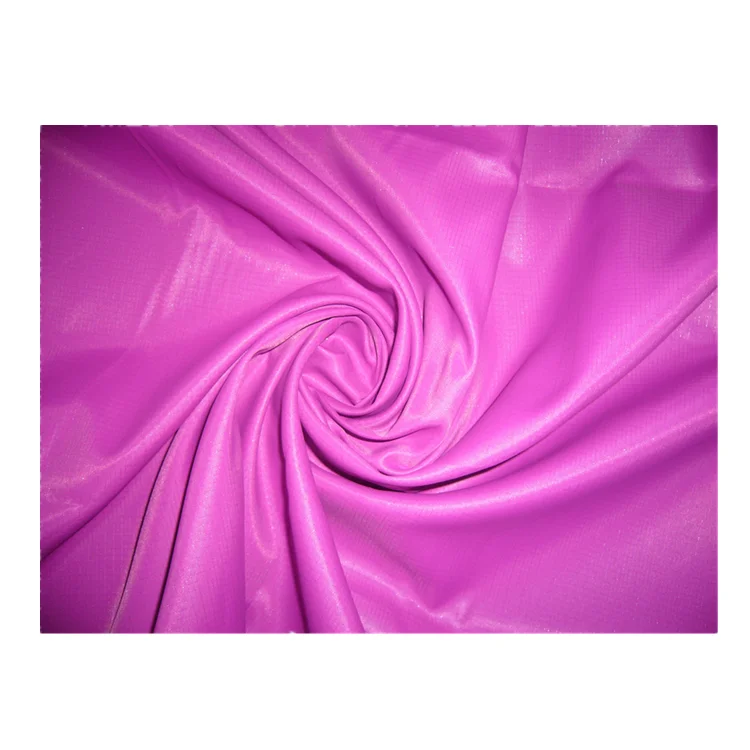
- Color: Standard white or black (custom dye lot on request)
- Certification: OEKO-TEX Standard 100 (no harmful azo dyes)
- Care: Wipe clean; do not machine wash (silicone coating is delicate)
For those building a complete outdoor kit, pair this shell fabric with a soft inner layer. The 100 percent waterproof PU coating 272 twill nylon oxford fabric is a smarter choice for backpack bottoms or heavy-duty ground sheets, while this 20D is reserved for fly sheets and stuff sacks. And if you are finishing a camping towel line, the wholesale super absorbent quick dry fitness towel complements the fabric for a full outdoor brand catalog.
FAQ
Is this fabric completely waterproof?
Yes, the silicone coating creates a continuous waterproof barrier. However, seams are not sealed at the factory. You must apply silicone-based seam sealer or use a seam-taped construction method to make the final product fully waterproof.
Can I use this for a down sleeping bag?
Absolutely. The 380T thread count is tight enough to prevent down feathers from poking through, and the silicone coating adds wind resistance. Use a fine needle (70/10) and polyester thread to avoid damaging the coating.
Does the silicone coating peel or flake?
No, unlike PU coatings that hydrolyze over time, silicone is chemically stable. It will not yellow or peel, but it can be punctured by sharp objects. Store the fabric rolled, not folded, to avoid permanent crease marks.
What is the difference between this and a DWR (durable water repellent) finish?
DWR is a surface treatment that wears off; silicone is a laminated barrier. This fabric is inherently waterproof regardless of surface friction. DWR only makes water bead up temporarily before soaking through.