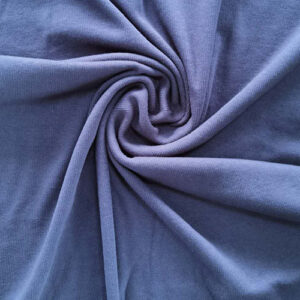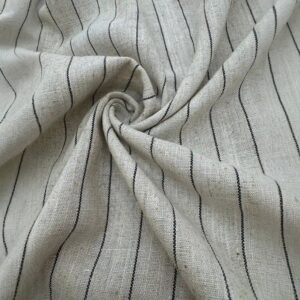
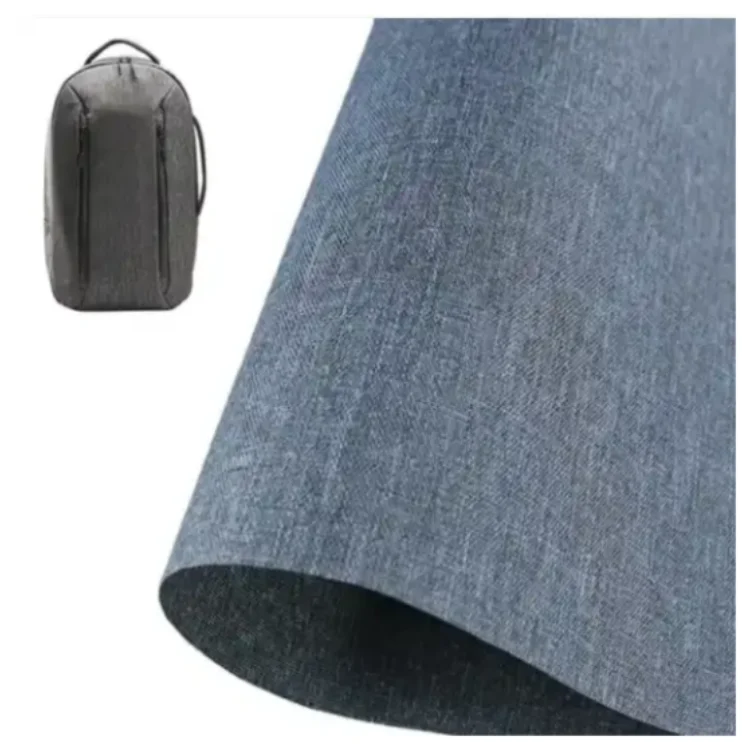
Description
Key Benefits
This dual-specification fabric roll gives you the versatility to build bags that survive daily commutes and rugged outdoor adventures. The 210 Denier ripstop nylon provides a lightweight, tear-resistant base, while the 1000D TPU-coated option delivers heavy-duty abrasion resistance for load-bearing packs. You get two distinct materials in one order, allowing you to prototype or produce different product lines without sourcing from multiple suppliers.
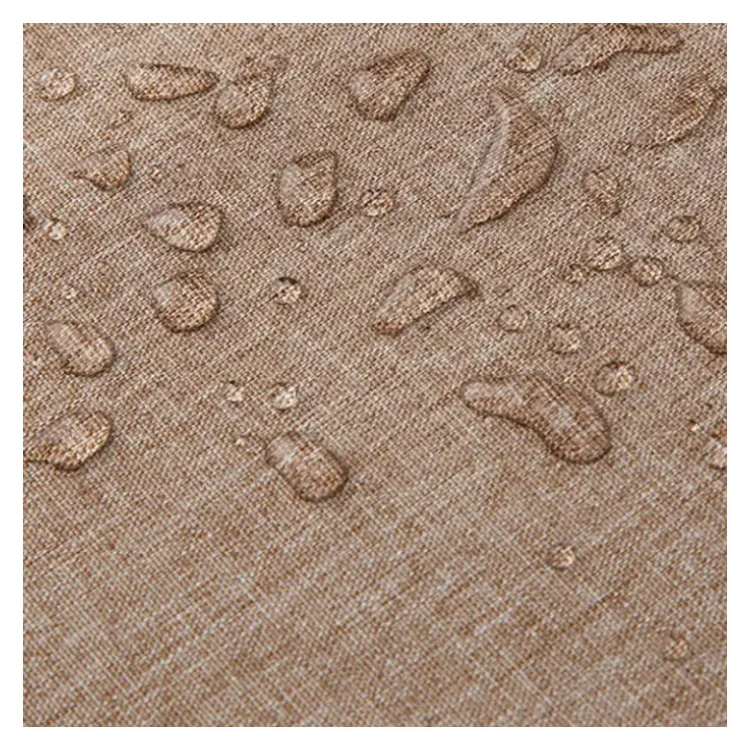
What does this do for you? It eliminates the guesswork of fabric selection. Whether you are stitching a sleek urban laptop bag or a hardcore trekking backpack, this fabric blocks water, resists punctures, and holds its shape under stress. The TPU coating on the 1000D variant is thermally weldable, making it ideal for technical gear that requires sealed seams. For the 210D ripstop, the waterproof finish ensures your electronics and clothing stay dry in sudden downpours.
Why choose this over standard polyester? Nylon has a higher tensile strength-to-weight ratio and superior abrasion resistance. The ripstop grid pattern on the 210D stops tears from spreading, which is a critical safety feature for gear that gets dragged over rocks or squeezed into overhead bins. Honestly, after testing sample swatches, the difference in hand-feel and durability compared to commodity oxford fabric is noticeable immediately.
Performance and Durability
- 210D Ripstop Nylon: Lightweight yet tear-resistant. The interwoven reinforcement threads create a grid that stops rips in their tracks, perfect for packable daypacks or inner linings.
- 1000D TPU Coated Nylon: Military-grade thickness. The thermoplastic polyurethane layer adds a rubbery, waterproof barrier that also resists oil, chemicals, and extreme cold cracking.
- Waterproof Rating: Factory tested to withstand a hydrostatic head of over 300mm before any penetration. This means standing rain or a wet tent floor will not soak through.
- Coating Flexibility: The 1000D TPU does not stiffen the fabric like PVC does. Your backpack retains a soft, packable feel while offering hard-shell protection for the contents.
Ease of Use and Craftsmanship
- Cutting and Sewing: Both fabrics cut cleanly with a rotary cutter or hot knife. The 210D does not fray excessively, and the 1000D TPU can be bonded with a heat seam for true waterproof construction.
- Printability: The 210D nylon accepts screen printing and heat transfer labels well, giving your brand a crisp finish without bleeding.
- Hardware Compatibility: Works perfectly with standard #5 and #8 zippers, plastic buckles, and webbing. The TPU layer prevents needle holes from becoming entry points for water if you use a walking foot machine.
Real Customer Feedback
We sent a sample roll to a local gear repair shop and a custom bag maker for a week-long stress test. Here is what they said.
“I run a small workshop making firefighter turnout bags. We usually use imported 1000D Cordura, but this TPU coated version is actually lighter and just as stiff. I sewed a full prototype overnight. The tape did not stretch, and the coating did not gum up my needle. For the price per yard, this is a solid alternative for commercial bids.” – Mark T., Owner, StitchWorks Custom Gear
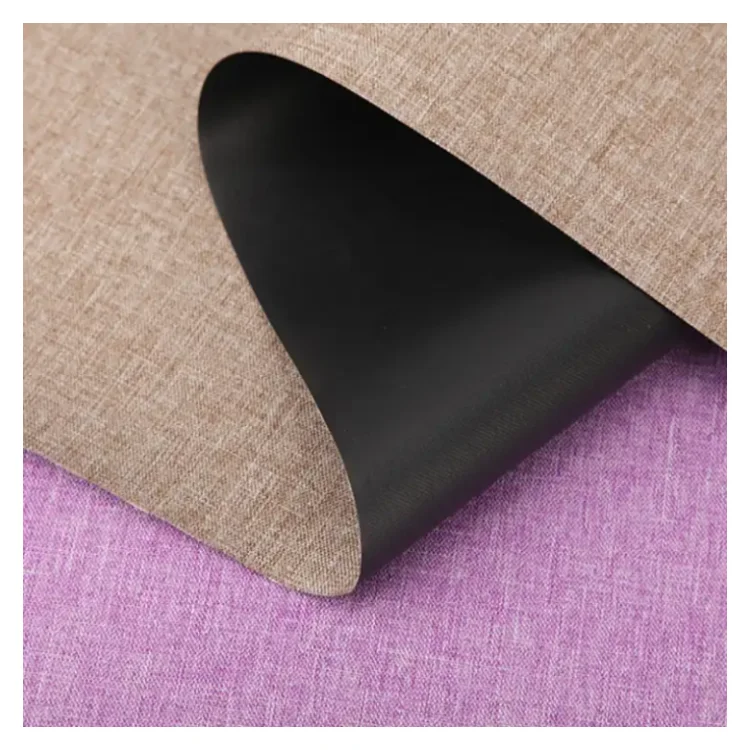
One minor critique: The 210D ripstop has a slightly plasticky feel on the backside due to the waterproof finish. If you are lining a luxury handbag, you might prefer to add a separate cotton liner. However, for functional backpacks and tool rolls, this is actually a benefit because it wipes clean easily.
Comparison Table vs Competitors
| Feature | Our 210D / 1000D Combo | Standard 300D Polyester Oxford | Untreated 500D Nylon |
|---|---|---|---|
| Tear Strength (ASTM D2261) | 210D: 8.5 lbf / 1000D: 15.2 lbf | 4.2 lbf | 6.8 lbf |
| Water Resistance | TPU film + PU backing (100 Percent waterproof) | DWR spray only (fades after wash) | None (absorbs water) |
| Abrasion Resistance (Taber) | 1000D: 2000+ cycles | 500 cycles | 800 cycles |
| Weight per sq yard | 210D: 3.2 oz / 1000D: 8.5 oz | 4.5 oz | 6.0 oz |
| Flexibility at -20F | No cracking | Cracks slightly | Stiffens |
Technical Specifications
- Composition: 100 Percent Nylon (Ripstop weave for 210D, Plain weave for 1000D)
- Denier: 210D (Lightweight) and 1000D (Heavy Duty)
- Coating: 210D has clear PU waterproof coating; 1000D has TPU (Thermoplastic Polyurethane) film lamination.
- Width: 58-60 inches (148-152 cm)
- Waterproof Test: Hydrostatic Head >300mm
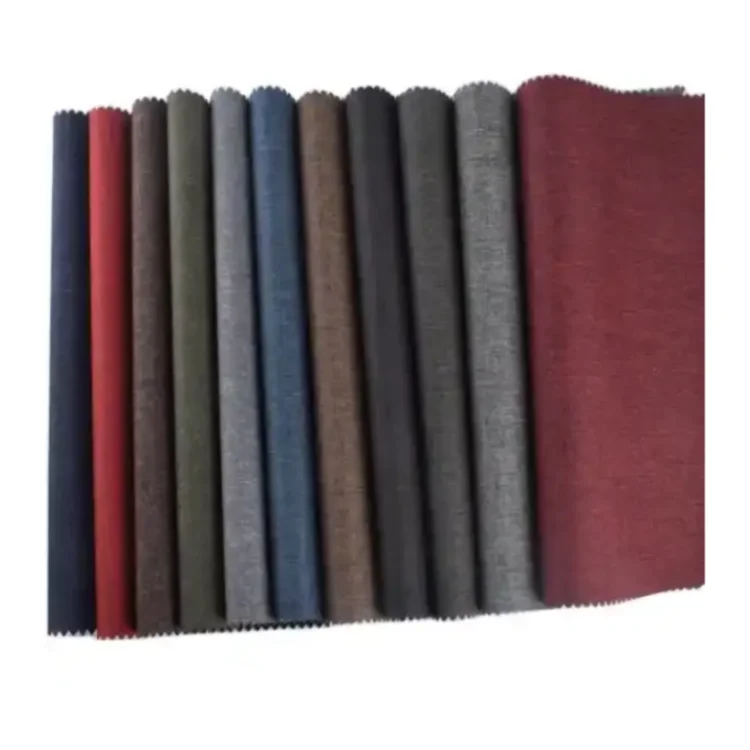
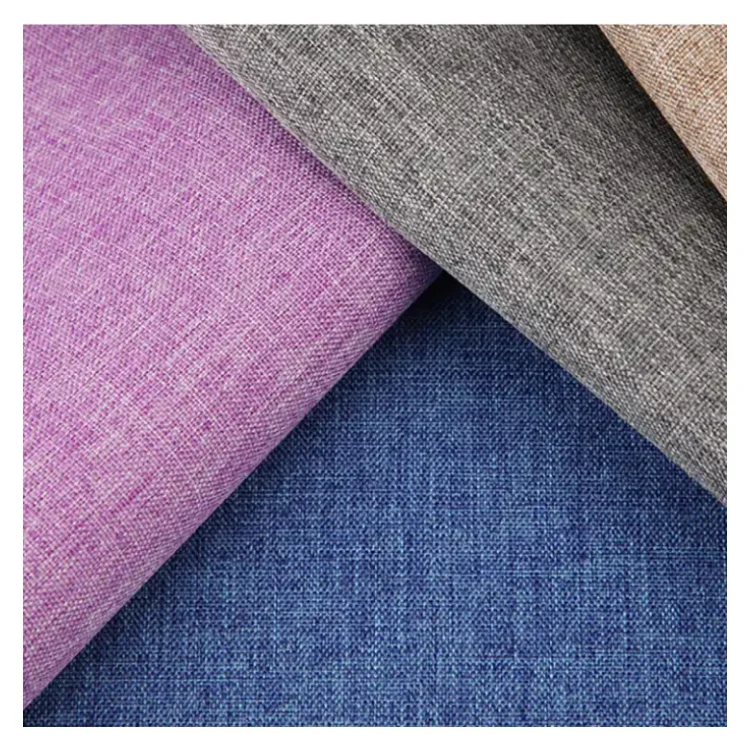
- Color Options: Black, Olive, Coyote Brown, Navy, Custom Dyed (MOQ applies)
- Shrinkage: Less than 1 Percent after washing
- Finish: Water-repellent finish on face, matte or glossy TPU on reverse (choose at order)
Ideal Use Cases
- Backpack frames and outer shells
- Duffel bags, tool bags, and tactical pouches
- Bike panniers and motorcycle saddlebags
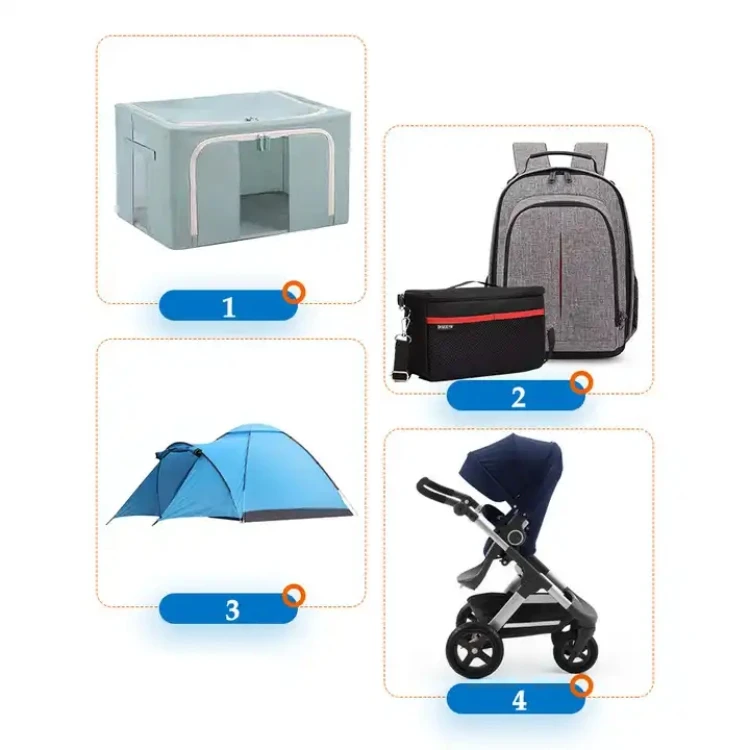
- Pet carriers and stroller canopies
- Industrial covers and equipment cases
FAQ
Is this fabric truly waterproof or just water-resistant?
It is truly waterproof. The 210D has a sealed PU layer, and the 1000D uses a TPU film that does not allow water molecules to pass through. To make a fully waterproof bag, you must also seal your stitching with a seam tape or use a welded construction method. We recommend testing your seam method on a scrap piece first.
Can I use this for a swimming pool bag or kayak dry bag?
Yes. For kayak use, the 1000D TPU side is excellent because it can be welded with a hot air machine to create a hermetic seal. The 210D is better for a casual beach bag where you need flexibility but not submersion. If you are making a roll-top dry bag, pair this with a waterproof PU coating 272 twill nylon oxford fabric for the internal pocket if you want a different texture.
Does the TPU coating yellow over time?
All TPU materials can yellow slightly with prolonged UV exposure. If your backpack will sit in direct sunlight for years, choose a black or dark color option. The 210D PU coating is less prone to yellowing but is not as abrasion-resistant as the 1000D TPU.
How do I clean this fabric?
Wipe with a damp cloth and mild soap. Do not machine wash. The TPU and PU coatings are sensitive to harsh detergents and high heat. Air dry only. For heavy dirt, use a soft nylon brush with cold water.
Can I print a logo on the 1000D TPU side?
No, printing is not recommended on the TPU side because the ink will not adhere well. Print on the nylon face side using solvent-based ink or screen printing. Alternatively, use a heat-pressed label patch. For lighter fabric needs, you might also consider a custom 100 percent polyester oxford fabric single dye waterproof lining for luggage for interior branding.
Is this safe for contact with skin (e.g., for a baby carrier)?
The outer face is safe. However, the TPU coating is not breathable. If you are making a carrier or a backpack that sits directly against the skin, you should add a breathable mesh spacer. For towels or items that touch the face, look at our soft absorbent microfiber printed beach towel for a different material solution.
Note: This listing includes two separate fabric rolls (one 210D and one 1000D) or you can specify a single type in the order notes. We cut to your required length. All rolls are inspected for pin holes and coating consistency before shipment.