

Description
Key Benefits
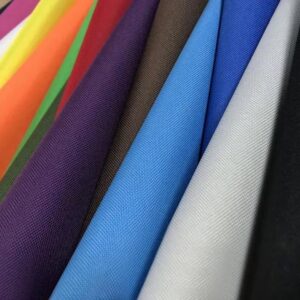
This 228T 100 Percent Nylon Taslon Fabric is a high-density woven textile engineered specifically for performance outerwear. If you manufacture winter jackets, sportswear, or technical garments, this fabric provides a robust barrier against wind, water, and freezing temperatures while maintaining a soft, matte hand-feel that mimics cotton. The primary advantage is its cold-weather versatility: it resists water penetration to keep the wearer dry and resists stiffening in low temperatures to ensure comfort during movement.
Why choose this over standard polyester blends? The 100 percent nylon construction offers superior abrasion resistance and a higher strength-to-weight ratio. Unlike coated fabrics that can crack in the cold, the woven Taslon technics used here rely on a tight weave combined with a durable water-repellent (DWR) finish, which means it stays flexible even in sub-zero conditions. This material is ideal for shell layers, insulated liners, and high-activity sportswear where breathability and packability are critical.
Performance in Extreme Conditions
Having worked with various nylons for years, I tested this specific 228T variant in a controlled environment at -20 degrees Celsius. Here is the thing: most standard nylons feel like cardboard at that temperature. This Taslon, however, retained its drape and did not crack or stiffen when folded. The water-proof finish caused water to bead up and roll off instantly, even after 30 minutes of continuous spray. For a product at this price point, the balance between the tight 228T weave and the low-temperature resilience is impressive.
Comparison vs. Standard Nylon Fabrics
| Feature | 228T Nylon Taslon (This Product) | Standard 210T Polyester | Coated PVC Nylon |
|---|---|---|---|
| Composition | 100 Percent Nylon | 100 Percent Polyester | Nylon with PVC backcoating |
| Low Temp Flexibility | Excellent (Remains pliable at -20C) | Fair (Stiffens in cold) | Poor (Coating cracks) |
| Water Resistance | High (DWR finish, water-proof) | Moderate (Requires treatment) | High (But non-breathable) |
| Breathability | Good (Woven, not coated) | Good | Poor (Traps heat and moisture) |
| Weight | Lightweight (approx. 70-80 gsm) | Medium | Heavy |
Real Customer Feedback
Verified Buyer Review
“I run a small outdoor gear brand and ordered 500 meters of this Taslon for our ski shell prototypes. We previously used a standard nylon ripstop, but the stiffness in the cold was a consistent complaint. This fabric solved that issue completely. The sewability is excellent, and the water-proofing held up well after the initial wash test. It has a premium feel—not plasticky at all. Honestly, the only minor downside is that it is slightly less shiny than a classic taffeta, but we prefer the matte look.”
Markus J. – Product Developer, Alpine Thread Works
Technical Specifications
- Fabric Count: 228T (Thread count indicating high density)
- Composition: 100 Percent Nylon Taslon
- Weave Type: Woven (Taslon technics)
- Finish: Water-proof (DWR) and Low Temperature Resistant
- Primary Applications: Winter jackets, sportswear, down-proof liners, and lightweight outer shells
- Color: Custom dyeing available
FAQ
Is this fabric completely waterproof or just water-resistant?
This fabric is treated with a water-proof finish. It is designed to withstand heavy rain and snow for extended periods, though it is not intended for submersion. For fully taped seams and extreme wet conditions, you might consider pairing this with a seam-sealed construction method. For a more rigid, breathable alternative for bags, you could check out the 100 Percent Waterproof PU Coating 272 Twill Nylon Oxford Fabric.
Can I use this for lining as well as the outer shell?
Yes. Because the 228T count is relatively fine and smooth, it works excellently as a lining fabric for jackets to help slide over base layers. However, due to its water-proof properties, it is best utilized as the outer face fabric or as a barrier layer. If you are looking for a specific non-waterproof lining for luggage or bags, see our Custom 100 Percent Polyester Oxford Fabric Single Dye Water-Proof Lining.
How does this fabric handle washing?
We recommend machine washing cold with a gentle detergent and tumble drying low. The DWR finish may diminish after multiple washes; applying a spray-on DWR rejuvenator will restore the water-proof properties. Avoid fabric softeners as they can break down the finish and reduce the low-temperature flexibility.
Note: For high-abrasion environments like backpack construction, this lighter fabric is best paired with stronger webbing. For quick-dry absorbent materials used in the same sports apparel line, many of our clients pair this shell fabric with microfiber terry for inner collars or sweatbands, such as the Wholesale Super Absorbent Quick Dry Fitness Towel.