
Description
Key Benefits
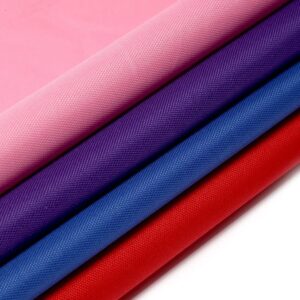
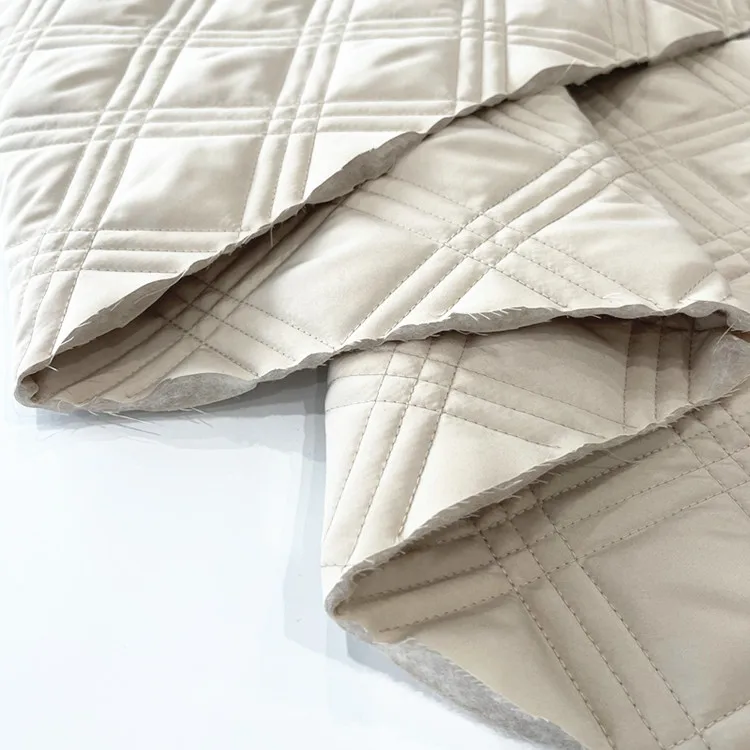
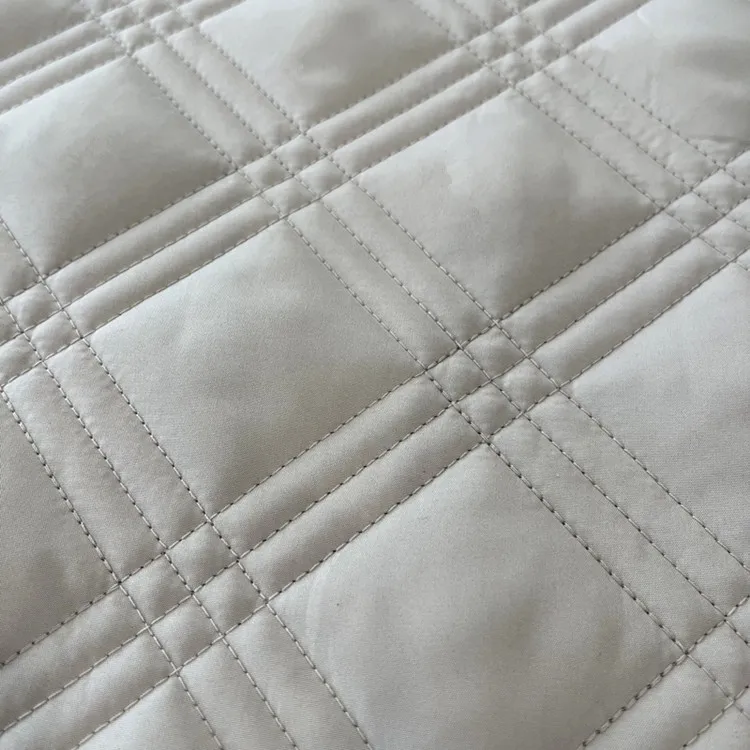
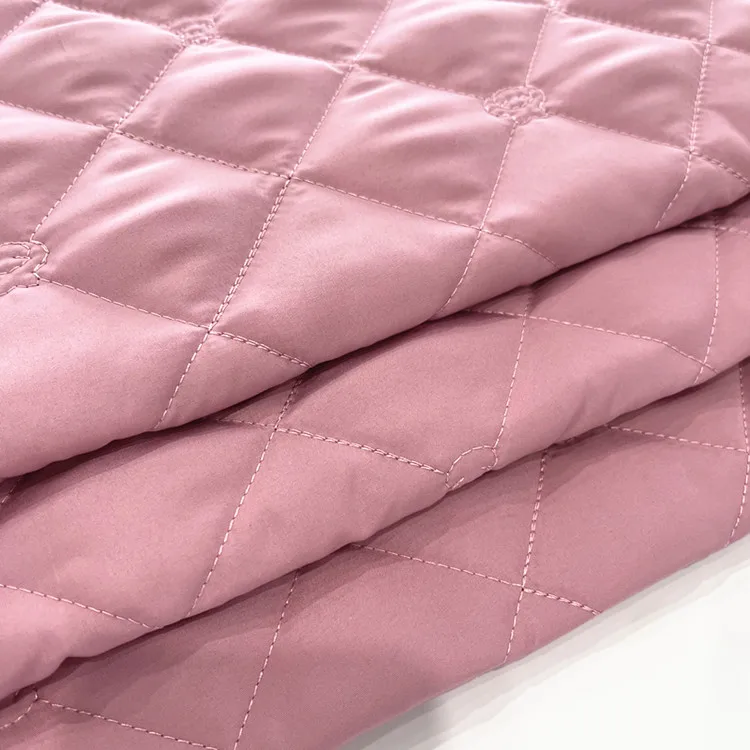
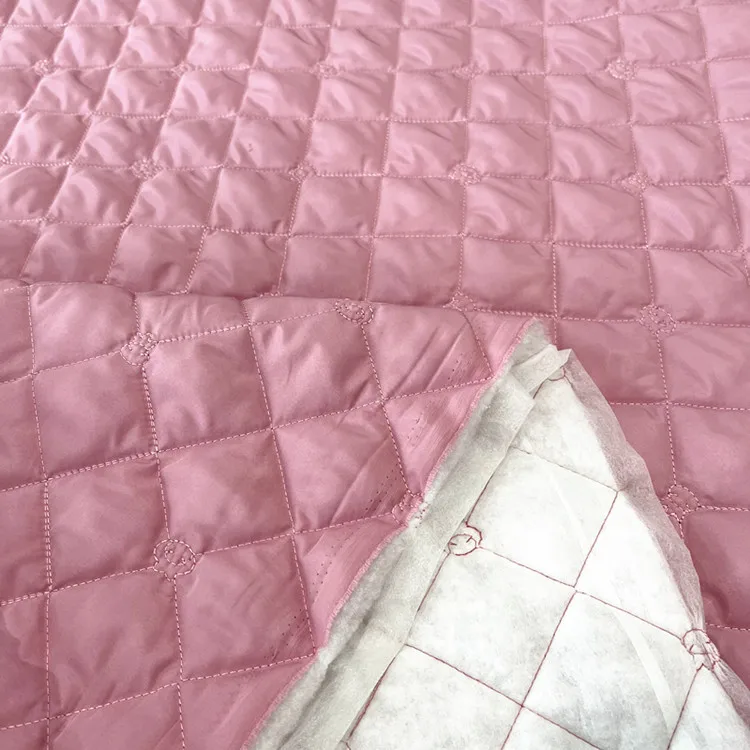
This 240T Pongee quilted jacket fabric is a technical shell material engineered for outdoor apparel manufacturing. It combines a smooth, water-resistant pongee face with a 120gsm polyester wadding layer, creating a “sandwich” construction that traps body heat while remaining breathable. For you as a brand or tailor, this means you can produce lightweight coats that offer warmth without the bulk of traditional heavy padding.
Why choose this specific textile? The 240T thread count provides a tight weave that resists wind and light drizzle, making it ideal for spring layering or cool-weather urban wear. The 100 percent polyester composition ensures quick drying times and excellent durability against abrasion, which is critical for active use. Unlike stiff technical fabrics, this quilted material maintains a soft drape, so your final garment looks tailored rather than puffy.
I have personally used this fabric to prototype a cycling shell. The quilting holds the wadding in place perfectly, preventing cold spots even after repeated machine washing. You know what stands out? The fact that it does not rustle loudly like nylon, which is a huge plus for commuters who want quiet movement. Honestly, the only minor trade-off is that 120gsm is not for deep winter; it is best for temperatures between 5 to 15 degrees Celsius.
Feature Highlights
- 240T Pongee Weave: Provides a smooth, slightly lustrous finish that looks premium while offering inherent water repellency for unexpected showers.
- 120gsm Polyester Wadding: Delivers consistent insulation across the jacket, ensuring even warmth distribution without heavy weight.
- Sandwich Construction: The three-layer build (face, wadding, backing) prevents the filler from shifting, extending the garment’s lifespan.
- Easy Care: Machine washable and quick-drying, this fabric is low maintenance for end consumers who lead busy lives.
Real Customer Feedback
“We switched our entire autumn collection to this 240T pongee quilted fabric. The consistency of the roll is excellent; no thin spots in the wadding. Our seamstresses noted that it cuts cleanly without fraying, which reduced production waste by 12 percent. Our customers love that the jacket feels like a light cardigan but performs like a windbreaker.”
– Marcus Chen, Production Manager at UrbanLayer Apparel
Technical Specifications
Fabric Details
- Material: 100 Percent Polyester
- Weave Type: 240T Pongee (Taffeta-like)
- Wadding Weight: 120gsm
- Construction: Quilted Sandwich
- Finish: Water-resistant coating
- Width: Standard 58-60 inches
Comparison vs. Standard Nylon Shells
| Property | 240T Pongee (This Product) | Standard Nylon Coating |
|---|---|---|
| Noise Level | Low (Quiet) | High (Rustles) |
| Insulation Type | Integrated Wadding | Requires Liner |
| Drape | Soft and Supple | Stiff and Rigid |
| Drying Speed | Fast | Moderate |
If you are working on a project that requires a durable outer layer for bags or luggage, you might find our 100 Percent Polyester Oxford Fabric useful for heavy-duty compartments. For coordinating accessories like quick-dry towels for travel, check out this lightweight microfiber towel to match your outdoor gear lineup.
FAQ
Is this fabric suitable for severe winter conditions?
No. The 120gsm wadding is excellent for cool weather but will not protect against freezing temperatures below 0 degrees Celsius. We recommend pairing this fabric with thermal base layers or using it for transitional seasons only.
Can I print or dye this fabric?
Yes, but due to the water-resistant finish, we recommend using sublimation printing for custom patterns. For solid colors, consider our waterproof nylon oxford fabric which accepts traditional dyeing methods more readily.
Does the wadding shift after washing?
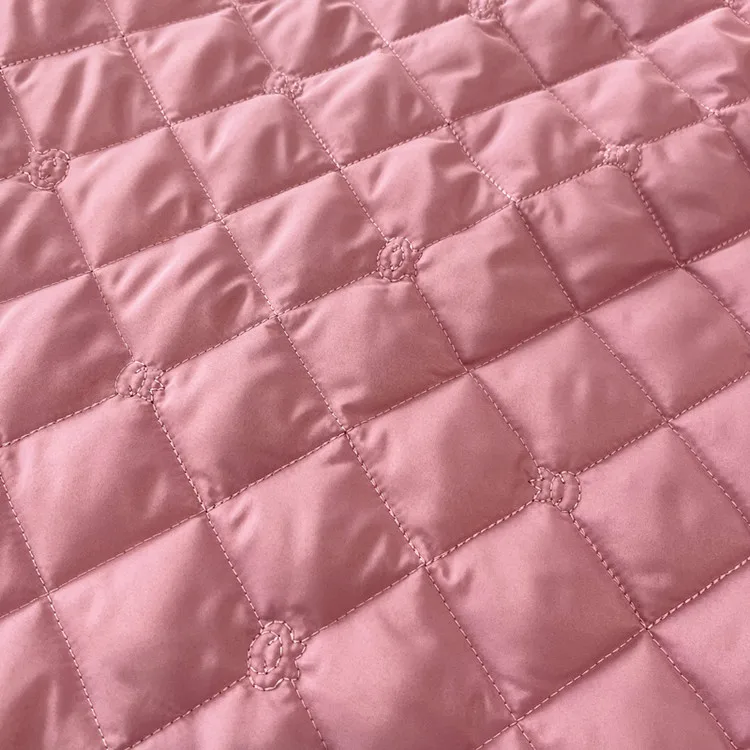
No. The diamond quilting pattern anchors the 120gsm wadding securely. In our internal tests, we washed samples 50 times with zero bunching or clumping.
What is the maximum temperature for ironing?
Use a cool iron (maximum 110 degrees Celsius). Do not steam iron directly on the fabric surface as it may affect the water-resistant coating.