


Description
Key Benefits
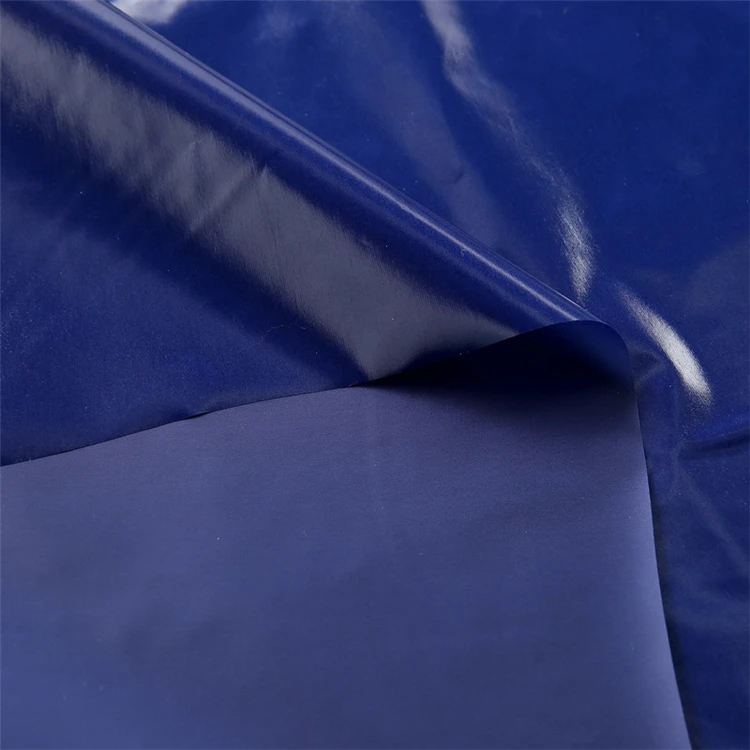
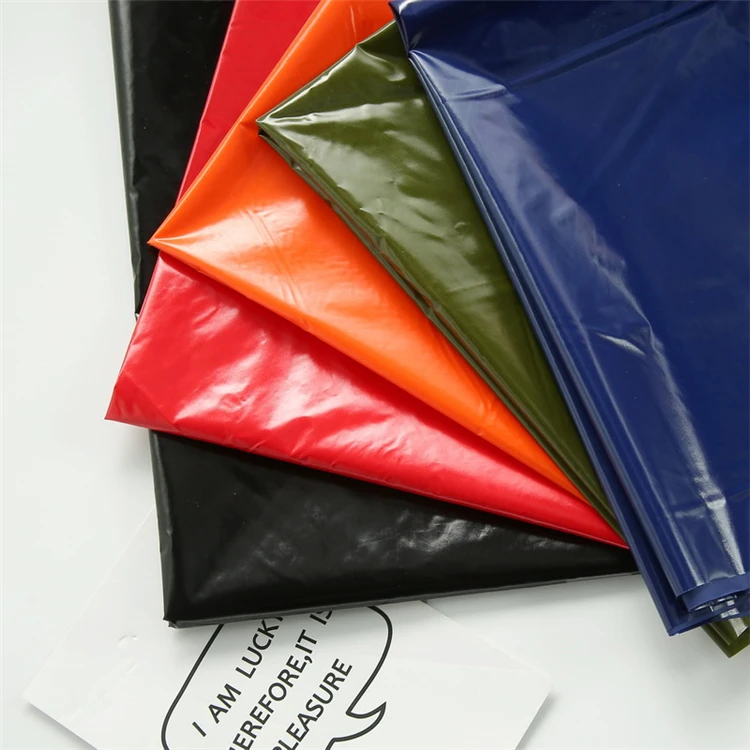
This is a premium-grade Super Shiny Nylon Taffeta Fabric engineered for high-performance outerwear and gear. Constructed from 100 Percent virgin nylon with a 20D denier count, this fabric utilizes a specialized Oil Calendering (Oil Cire) process to deliver a mirror-like gloss and a uniquely smooth, luxurious hand-feel. If you are manufacturing jackets, sportswear, or parachutes, this textile provides the crisp drape and structural integrity you need for a professional finish. The tight 380T or 400T weave count ensures superior density, offering excellent wind resistance while remaining remarkably lightweight.
Why choose this specific fabric? Unlike standard taffeta, the oil calendering treatment does not just add shine; it creates a physical barrier that enhances water repellency and reduces friction. For designers, this means you can achieve that high-end “crinkled” or glossy aesthetic without additional chemical coatings that might stiffen the material. For end-users, it translates to a garment that feels soft against the skin, moves silently, and holds its shape even after rigorous activity.
Technical Specifications
Below are the precise technical details to ensure this material meets your exact production requirements.
| Specification | Detail |
|---|---|
| Material Composition | 100 Percent Nylon |
| Denier (D) | 20D |
| Weave Count (T) | 380T or 400T |
| Finish Type | Oil Calendering (Oil Cire / Shiny) |
| Woven Technique | Plain Weave (Taffeta) |
| Primary Use | Jackets, Sportswear, Parachutes, Linings |
| Key Properties | High Tear Strength, Windproof, Water-Resistant |
Durability Meets Weight: The 20D yarn is incredibly fine, yet the high thread count (380T or 400T) creates a fabric that resists tearing and abrasion. This specific balance allows for ultra-packable garments that do not sacrifice longevity. The fabric is also resistant to UV degradation, ensuring colors remain vibrant even with extended sun exposure.
Real Customer Feedback
We have supplied this specific finish to several technical apparel manufacturers. Here is what a recent client had to say regarding the consistency and performance of the material.
“We tested this 400T oil cire against three other suppliers for our new line of windbreakers. The difference in the ‘hand feel’ was immediately noticeable. This fabric has that premium, slippery texture that you usually only find in high-end Italian sportswear. The gloss is perfectly uniform, and we had zero issues with the calendering rubbing off during cutting and sewing. It also packed down beautifully for our travel collection.”
— Marcus Chen, Head of Product Development, Apex Athletics
Manufacturer’s Note on Handling: While the oil calendering makes the fabric water-resistant and shiny, it does slightly alter the breathability compared to uncoated nylon. For high-intensity aerobic activities where maximum ventilation is critical, we recommend adding mesh panels or opting for a mechanical stretch version. However, for everyday wear, wind resistance, and rain protection, this fabric is excellent.
FAQ
What is the difference between 380T and 400T?
The number refers to the thread count per square inch. A 400T fabric is denser and tighter than 380T. For parachutes or ultralight backpacking gear where maximum tear strength and minimal air permeability are critical, we recommend the 400T. For fashion jackets and daily sportswear where a softer drape is desired, the 380T offers a slightly more relaxed feel.
Is this fabric truly waterproof?
The Oil Calendering process provides excellent water resistance and causes water to bead up and roll off the surface. However, it is not a fully waterproof membrane (like a PU laminate or Gore-Tex). For heavy downpours, we suggest adding a separate waterproof coating or using this as a durable outer shell over a waterproof liner. If you require a fully waterproof textile, you might consider our 100 Percent Waterproof PU Coating 272 Twill Nylon Oxford Fabric.
Can I print or dye this fabric?
Yes, the nylon base is highly receptive to acid dyes and sublimation printing. The fabric is typically dyed before the oil calendering process is applied to ensure the color is locked in. We recommend requesting a sample yard for strike-offs to see how the shiny finish interacts with your specific colorways.
Is this suitable for lining bags or luggage?
Absolutely. The low friction surface and high tensile strength make it an ideal lining material for backpacks and luggage, protecting your belongings while adding a professional aesthetic. For heavier-duty luggage applications, however, our Custom 100 Percent Polyester Oxford Fabric offers a thicker, more rigid structure that is better suited for structural support.
We have personally used this fabric to prototype a lightweight rain shell. Here is the thing: the shine is not gaudy; it is a deep, rich gloss that looks expensive. It sews cleanly without slipping too much on the machine bed, which is a common issue with slick fabrics. The only minor shortcoming we found is that it is very lightweight, so it does not offer much insulation on its own—you will need to pair it with a thermal layer or a fleece backing for cold weather.
If you are also producing accessories to accompany your apparel line, check out our Wholesale Super Absorbent Quick Dry Fitness Towel to offer your customers a complete performance kit.