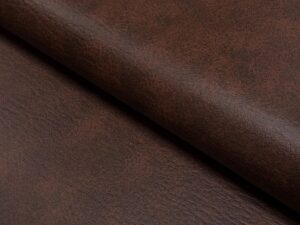
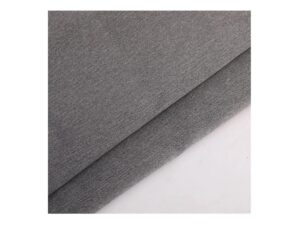
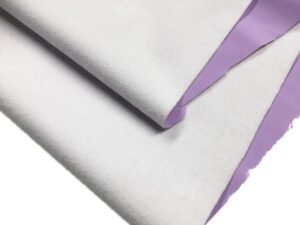
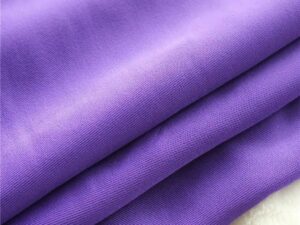
A blind covers a window; a shutter changes the opening. The price gap is 3-5x and it is not a like-for-like choice.
The decision in one paragraph
PVC blinds and slats and Plantation shutters are not substitutes in the way a price list suggests. PVC slats is specified for uv stabiliser at required, stated in phr; shutters is specified for material at basswood / PVC / MDF / hybrid. If your product depends on the first, the second is a compromise regardless of price.
A blind covers an opening; a shutter becomes part of it. The comparison is not like-for-like, and the price gap reflects a different product category.
Shutters add to property value in a way blinds do not, which is why developers specify them in premium units and blinds everywhere else.

Side by side on the numbers that matter
| PVC slats | shutters | Comparison |
|---|---|---|
| Primary use | Bathrooms and wet rooms | Residential premium |
| Decisive parameter | UV stabiliser: required, stated in phr | Material: basswood / PVC / MDF / hybrid |
| Second parameter | Yellowing resistance: QUV 300-500 h, dE <= 3 | Panel configuration: 1-4 panels per opening |
| Usual MOQ | 500-800 sets per colour | 100-300 panels per finish |
| Production lead time | 20-30 days | 30-45 days |
| Characteristic failure | Yellowing | Visible light gaps |
Where PVC slats wins
Without it, white goes yellow and colours fade within a season outdoors. The test that separates outdoor-grade from indoor-grade PVC.
The failure you are buying protection against is yellowing: white slats turn cream within a year in a sunny window. If that is the failure your customer will report, PVC slats is the cheaper decision even at a higher unit price.
Where shutters wins
Wood is premium; PVC suits wet rooms; MDF is mid-market. Panel count drives hinge count and light-gap performance.
Against that, shutters fails as visible light gaps. Daylight shows through between panels and frame. The question is whether your programme can absorb that failure, and whether the saving per unit exceeds the cost of one occurrence.
How to decide without a trial order
- Write the service conditions for the end product, including washing and climate.
- Name the failure you cannot accept, in one sentence.
- Ask both suppliers for the same test on that failure, on production material.
- Compare landed cost including the expected claim rate, not unit price.
- Record the decision and the reason, so a cheaper quote later does not reopen it.
Specifications for both are on the PVC slats page and the shutters page. If you send the end product description, we will tell you which one we would specify and what we would test first.
Questions buyers ask before ordering
Will white PVC yellow in a sunny window?
Not if it is properly stabilised. Ask for a QUV 300 h report with dE <= 3. Without that report, assume it will yellow.
Which louver width should I stock?
89 mm covers 80 % of residential demand. 114 mm is a premium upgrade that needs a deeper frame, so stock it only if you sell design-led projects.
Total cost over three years
| Line | PVC slats | shutters | Note |
|---|---|---|---|
| Purchase | Higher unit price | Lower unit price | Paid at the order |
| Claims | Lower if the spec matches | Higher if the failure mode hits | Paid 6-18 months later |
| Replacement | Rare | Likely once | Paid in the season you cannot supply |
| Rework at your factory | Lower | Higher if the material behaves differently | Paid in labour |
The two materials fail in different places, and that is the deciding factor. PVC slats fails as yellowing; shutters fails as visible light gaps. Choose the failure you can detect early, because an early failure is a rework and a late one is a claim.
A trial that answers the question in one container
- Take production samples of both, in the exact construction you would order.
- Run the end-use process: moisture stability.
- Test the single failure you cannot accept, on both, with the same method.
- Put the result next to the landed cost including the expected claim rate.
The specification to send, for either
Whichever way you decide, send the same line to both suppliers so the quotes are comparable. For PVC slats:
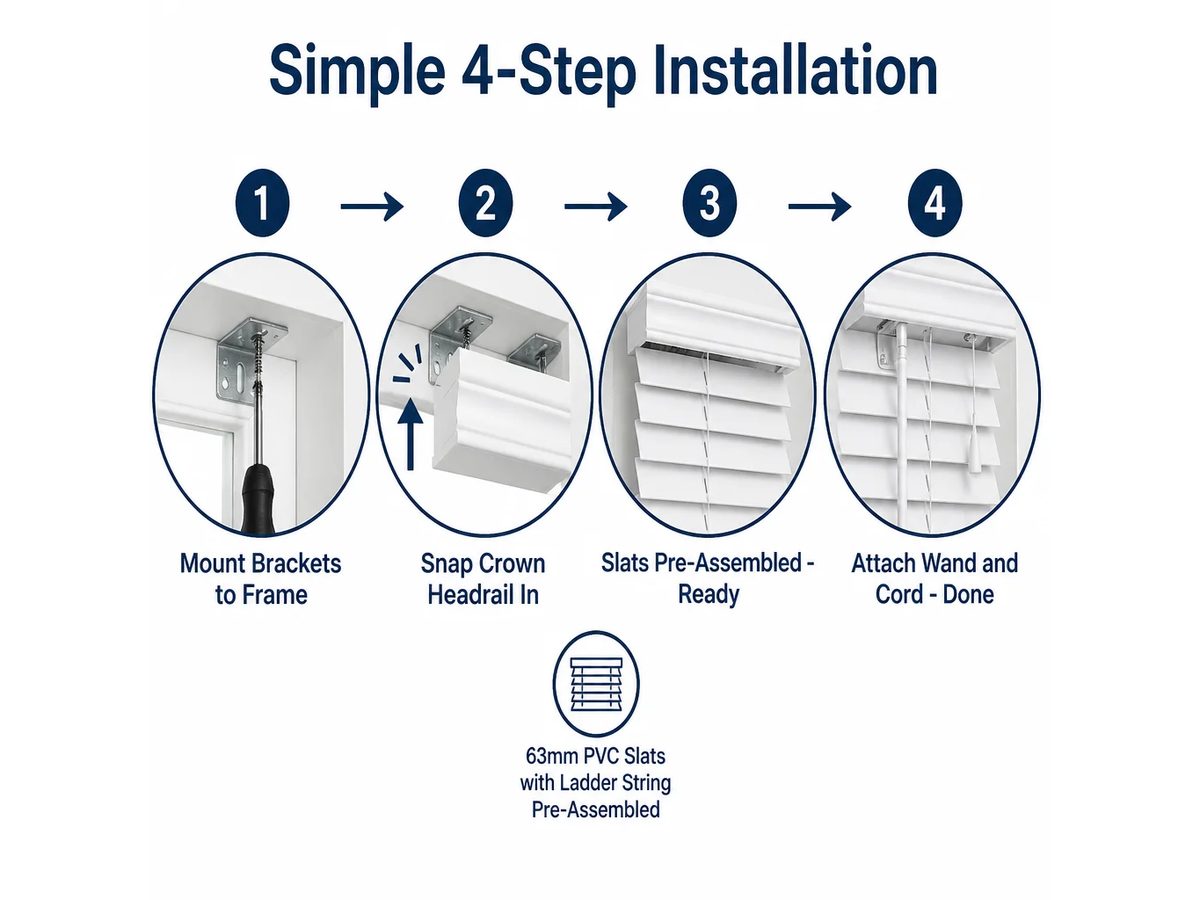
PVC venetian blind, 50 mm slat, 2.0 mm wall, UV stabilised, QUV 300 h dE <= 3, HDT >= 65 C, co-extruded woodgrain, cordless to EN 13120
And for shutters:
Plantation shutter, basswood, 89 mm louver, L-frame, 3 panels, hidden hinge, light gap <= 3 mm, painted to RAL 9010, moisture content 8-12 %
Where both appear in the same product
Most assembled products use both materials rather than choosing one. PVC slats typically carries bathrooms and wet rooms, while shutters carries residential premium. The decision is therefore not which one to buy but which one to put where the load and the wear are.
A practical rule: put PVC slats at the point where yellowing would be expensive to fix, and shutters where visible light gaps is visible early enough to rework. That single sentence resolves most specification arguments between the two.
Three questions to ask both suppliers
- Which parameter would you change to hit a lower price, and what does it cost? The answer shows whether the supplier understands their own trade-offs.
- What is the MOQ per colour, and what does a repeat order need? PVC slats typically runs 500-800 sets per colour; shutters runs 100-300 panels per finish.
- What would you refuse to guarantee, and why? A supplier with no limits is either new or not answering.
Questions worth asking before the price is agreed
The questions below are the ones that cannot be answered from a catalogue, which is exactly why they are worth asking.
| Question | Answer that should worry you | Answer that holds up |
|---|---|---|
| Who signs the test report, and against which standard? | “Our QC department signs it.” | A named standard, a named method and a signature that belongs to somebody who can be asked again next year. |
| How do you hold colour at white / woodgrain / solid colours? | “That is standard for us, no problem.” | The last three lots’ readings, the instrument used and who signs the report. Heat warping starts here. |
| What happens if warp tolerance misses the <= 1.0 mm per 1 m at 60 C requirement? | “It will not happen.” | A re-test clause, the tolerance on the re-test, and the point at which the lot is remade rather than discounted. |
Failure modes worth a clause in the purchase order
Claims rarely come from a batch that was obviously wrong. They come from a fire performance figure that sat inside the quoted band and outside what the product needed.
| Failure | What triggers it | Test to demand on the production lot |
|---|---|---|
| Heat warping | Heat deflection temperature below the in-window temperature. | Yellowing — QUV 300 h; acceptance dE <= 3 |
| Cold brittleness | High filler content (calcium carbonate) to cut cost. | Heat deflection — ISO 75 / 60 C load test; acceptance no visible warp |
The other two, with acceptance numbers attached, are in the full failure analysis for PVC slats. A supplier who cannot name the mode he sees most often is describing a catalogue, not a process.
Choosing between these two for a live programme?
Send a window schedule or a single set size and we will return a quotation with the loading plan, the safety standard that applies to your market and the lead time for the colour you need. Catalogue and current price list on request.
Related reading
- PVC blinds and slats Specification
- PVC blinds and slats
- Yellowing resistance in PVC blinds and slats
Catalogue and current price list · Neutral packing and private label · Consolidation, documents and lead times