Imagine waking up on a lazy Sunday morning, the sun’s golden rays streaming through your glass doors, bathing your living room in warm light. As inviting as it sounds, the need for privacy, temperature control, and aesthetic appeal often leads us to seek the perfect solution: sliding glass door blinds. Choosing the right blinds can dramatically transform both the functionality and look of your space. However, with so many options available—blackout blinds for effective light control, waterproof shades for durability, or stylish designs for a modern touch—finding the ideal match can be overwhelming.
Consider this guide your trusted companion in navigating the vast sea of possibilities. Whether you’re looking to enhance the energy efficiency of your home, prioritize privacy without sacrificing style, or simply find a durable option for your sliding exterior glass door, we’ve got you covered. With practical tips and expert advice, discover how to elevate your living space by selecting the perfect sliding glass door blinds that cater to your unique needs. Let’s dive in and uncover the best choices that balance form and function seamlessly!
Understanding Your Needs and Preferences
When selecting sliding glass door blinds, the first step is to assess how you use the space. Do you crave total blackout in a home theater, or do you prefer a soft filter of natural light in your sunroom? Consider room orientation—south-facing doors demand more UV protection and heat control, while north-facing doors may require lighter fabrics to keep the room bright. Take note of your family’s lifestyle: homes with children or pets benefit from durable, easy-to-clean materials, whereas formal living areas might shine with elegant, designer fabrics. By clearly defining your primary goals—privacy, light control, insulation, or style—you can narrow down the vast array of options and avoid costly trial-and-error.
Next, match functionality with décor. Sliding glass door blinds come in a range of colors, patterns, and materials that can either blend seamlessly with your existing palette or make a bold statement. For example, neutral tones offer timeless appeal, while textured fabrics or metallic finishes add depth and a contemporary edge. Don’t forget to measure your sliding exterior glass door precisely—oversized or undersized blinds can compromise both appearance and performance. By aligning your practical needs with aesthetic preferences, you lay the groundwork for choosing sliding glass door blinds that not only look stunning but also deliver day-to-day comfort and convenience.
Types of Sliding Glass Door Blinds
Sliding glass door blinds vary widely in style and operation. Vertical blinds remain a classic choice for their simple, space-saving design and easy light adjustment. Panel track systems, with wide fabric panels that slide on a track, offer a sleek, modern alternative that works well with large openings. If you prefer a softer look, cellular shades provide excellent insulation and can be designed to slide sideways. Roller shades, available in countless fabrics, deliver a minimalist profile and smooth operation—ideal for contemporary homes seeking clean lines.
Beyond basic styles, specialty options such as blackout sliding glass door blinds ensure near-total darkness for media rooms or bedrooms, while waterproof sliding patio door shades stand up to moisture and humidity—perfect for covered porches or sunrooms. Some homeowners opt for dual-layer or zebra shades that combine sheer fabrics with opaque bands, granting versatile light control at a moment’s notice. By understanding the mechanical differences and material benefits of each type, you can pinpoint the right system to enhance both form and function in your space.
Considerations for Light Control
Effectively managing natural light is one of the primary reasons homeowners choose sliding glass door blinds. When evaluating options, consider how much daylight you want to admit and how much glare you need to block. Sheer fabrics soften incoming rays, reducing harsh reflections on screens, while semi-opaque materials diffuse light for a gentle glow. For rooms that require complete darkness—such as bedrooms or home theaters—blackout sliding glass door blinds provide superior light-blocking performance and prevent sun damage to furniture and floors.
Layering is another strategy to fine-tune light control. By combining a sheer panel track with a heavier blackout or room-darkening shade, you can enjoy daylight filtering when desired and full privacy on demand. Motorized systems also allow precise adjustments throughout the day, offering the convenience of smartphone or voice control. Ultimately, your choice should reflect how dynamic your light-control needs are, from constant brightness to occasional blackout, ensuring optimal comfort and energy efficiency.
Privacy Solutions: Balancing Seclusion and Style
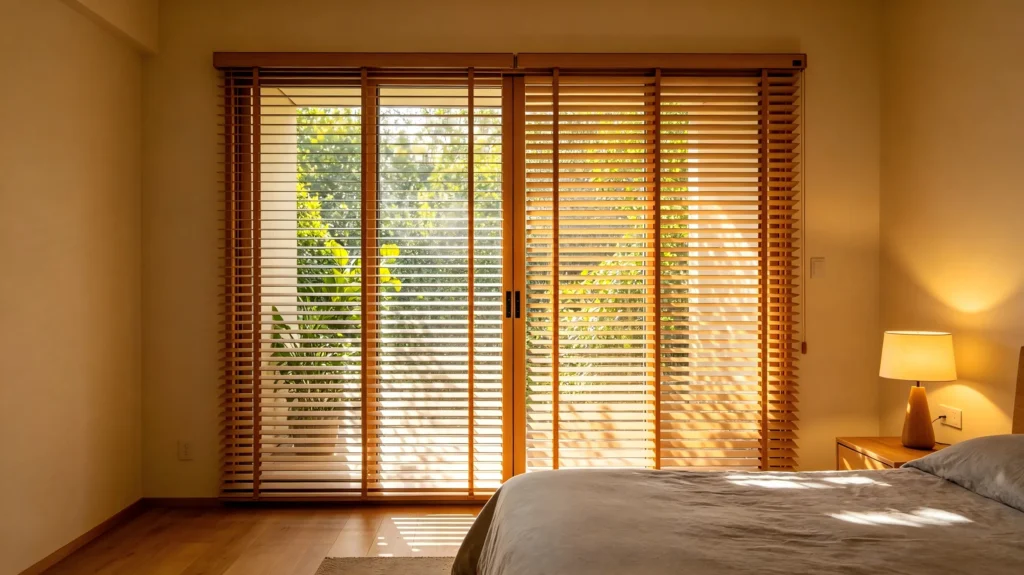
Privacy is a critical factor when your living room or bedroom fronts a sidewalk or neighbor’s yard. For sliding exterior glass door designs, top-down/bottom-up cellular shades provide flexible privacy control, allowing you to obscure the lower section of the door while still admitting natural light above. Frosted or textured materials offer daytime seclusion without creating a cave-like feel, and they can complement glass doors by adding a subtle decorative motif.
If you prefer a more traditional look, vertical blinds or panel track shades with wide slats can be angled to limit sightlines while still letting in light. Layered approaches—such as pairing sheer curtains behind solid blinds—add dimension and allow you to switch between full exposure and full privacy with ease. By selecting fabrics and patterns that reflect your personal style, you can maintain a sense of openness and elegance while keeping prying eyes at bay.
Enhancing Energy Efficiency with the Right Blinds
Sliding glass doors can be a major source of heat gain in summer and heat loss in winter. To combat this, choose insulating options like cellular or honeycomb blinds, which trap air in pockets and create a thermal barrier. Many cellular shades are engineered specifically for large glass expanses, sliding smoothly along tracks to form a tight seal against drafts. Solar screen blinds reflect and absorb UV rays, reducing cooling costs and protecting your interiors from sun damage—an excellent choice for south- and west-facing doors.
For maximum efficiency, consider combining shades with blackout liners or insulated backing. Automated systems with programmable timers can raise and lower blinds to optimize temperature throughout the day—keeping heat out during peak sun hours and retaining warmth at night. Properly installed and adjusted sliding glass door blinds can lower your energy bills, reduce reliance on HVAC systems, and create a more comfortable home year-round.
Durability and Maintenance Tips
Regular maintenance extends the life of your sliding glass door blinds and preserves their appearance. Fabric blinds often catch dust and allergens, so vacuum gently with a soft brush attachment or use a microfiber duster weekly. For waterproof sliding patio door shades installed near pools or in humid environments, periodic wiping with a damp cloth and mild detergent keeps mold and mildew at bay. Avoid harsh chemicals or abrasive cleaners that can damage coatings or warp materials.
Inspect hardware and tracks every few months to ensure smooth operation. Lubricate metal components with a silicone-based spray, and tighten any loose screws on brackets or carriers. If a slat or panel tears or becomes discolored, many manufacturers offer replacement parts—saving you the cost of a full system swap. By following these simple care routines, you’ll maintain both function and style, ensuring your blinds look great and operate flawlessly for years to come.
Design Trends and Styles for Modern Spaces
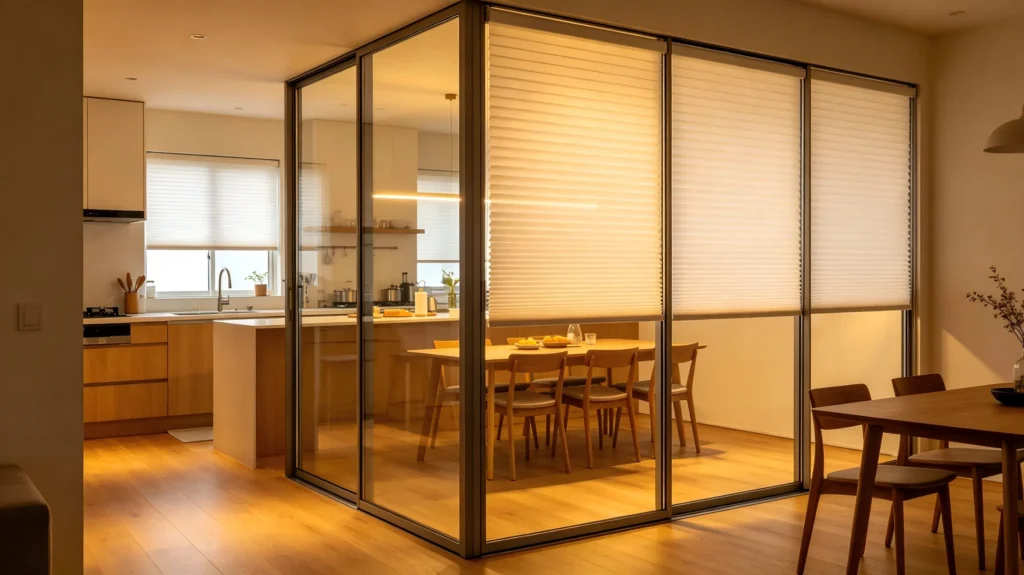
Today’s interior design trends favor clean lines, neutral palettes, and multifunctional elements. Panel track blinds in muted grays, soft whites, or even metallic finishes can seamlessly blend with minimalist décor. Textured fabrics and geometric patterns add subtle depth, while natural materials like bamboo or woven wood bring an organic warmth. Smart motorized blinds, controllable via app or voice assistant, cater to tech-savvy homeowners seeking convenience and a futuristic aesthetic.
Statement hardware—such as brushed brass or matte black tracks and pulls—turns sliding glass door blinds into a design focal point. Layering sheer curtains behind opaque panels continues to be popular, offering dynamic visual interest and light-filtering options. For a bold contrast, pair dark textural blinds against a light-colored wall or vice versa. Whether your style is Scandinavian simplicity, industrial chic, or coastal elegance, there’s a sliding glass door blind solution that complements your vision.
Budget-Friendly Options without Compromising Quality
High-end custom blinds can be expensive, but affordable alternatives still deliver performance and style. Many big-box retailers and online brands now offer ready-to-install roller or vertical shades in standard sizes. These are often made from durable synthetics that mimic pricier fabrics while resisting stains and fading. Look for factory-grade blackout liners or insulating backings even on budget models to boost functionality without a hefty price tag.
DIY installation kits save on labor costs and are typically designed for straightforward setup with basic tools. Special promotions, seasonal sales, and discount codes from online retailers can further reduce the cost of waterproof sliding patio door shades or cordless cellular blinds. By prioritizing key features—like energy efficiency or blackout capabilities—you can find economical options that meet your must-have criteria without breaking the bank.
Professional Installation vs. DIY: What Works Best?
DIY installation of sliding glass door blinds appeals to those comfortable with basic home improvement tasks. Most window-furnishing kits include detailed instructions, mounting hardware, and templates for drilling precise holes. If you have a level head, a power drill, and a measuring tape, you can save on installation fees and complete the project in a few hours. However, improper alignment or loose fittings can lead to operational issues and diminished energy benefits.
Hiring a professional ensures precise measurement, expert handling of delicate tracks, and fitting that maximizes insulation and light control. Professionals often provide warranties on labor and materials, giving you peace of mind. While the upfront cost is higher, the guarantee of flawless operation and longevity can make it worthwhile—especially for complex sliding exterior glass door systems or motorized setups. Evaluate your skill level and budget to choose the installation path that best suits your needs.
Conclusion: Elevate Your Living Space with the Perfect Sliding Glass Door Blinds
Selecting the right sliding glass door blinds involves balancing your practical requirements—light control, privacy, energy efficiency—with your personal style. By understanding the different types of blinds, material options, and installation approaches, you can transform your sliding exterior glass door into a functional and beautiful feature of your home.
From blackout sliding glass door blinds for media rooms to waterproof sliding patio door shades for humid spaces, there’s a solution for every need and budget. Invest time in research, measure carefully, and decide whether a DIY approach or professional installation best fits your skill set. With the perfect blinds in place, you’ll enjoy enhanced comfort, improved aesthetics, and long-lasting performance. Happy styling!