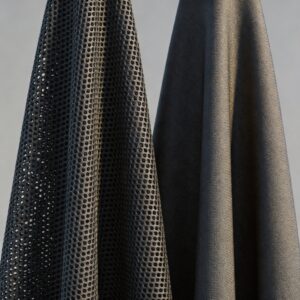
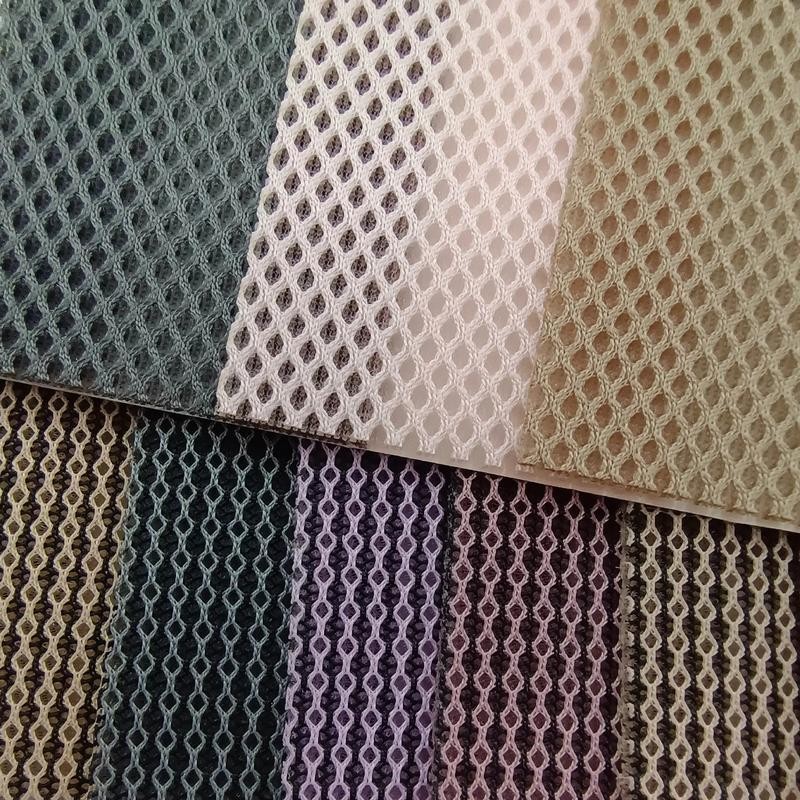
Imagine a material that effortlessly straddles the line between form and function, a substance so adaptable it has woven itself into the very fabric of countless industries. Enter the world of fabric mesh, an unsung hero in the textile world. Its unique blend of strength and flexibility makes it an indispensable choice for everything from high-fashion clothing to industrial solutions. While it may not boast the opulence of silk or the antiquity of cotton, its versatility is unrivaled, quietly revolutionizing fields as varied as sportswear and aerospace.
As you delve into the multifaceted world of mesh fabric, prepare to uncover how this material has become a cornerstone of modern design and innovation. Whether you’re a designer seeking inspiration, an engineer on the hunt for reliable materials, or just someone with a curiosity about textiles, the journey promises revelations at every turn. Prepare to be intrigued by its capabilities and discover how this humble mesh weaves its way into our lives, often in the most surprising of ways.
The Evolution of Fabric Mesh Fabric
The story of fabric mesh fabric traces back thousands of years, when early civilizations used hand-knotted nets for fishing and rudimentary filtration. Over centuries, artisans refined netting techniques, experimenting with different fibers—hemp, flax, and later cotton—to create open-weave structures that balanced airflow and strength. By the Industrial Revolution, mechanized looms enabled mass production of mesh textiles, transforming them from handcrafted curiosities into readily available materials for screens, sieves, and lightweight coverings.
In the 20th century, scientific advances introduced synthetic polymers—nylon, polyester, and polypropylene—ushering in a new era for fabric mesh. These fibers offered superior durability, elasticity, and resistance to moisture and chemicals, expanding mesh applications beyond traditional uses. Today’s high-performance fabric mesh fabric leverages cutting-edge weaving patterns, multilayer composites, and smart coatings that provide UV protection, antimicrobial properties, and self-cleaning abilities. The evolution from simple netting to advanced technical mesh underscores the material’s adaptability and enduring relevance across industries.
Applications in the High-Fashion Industry
High-fashion designers have embraced mesh fabric as a medium for avant-garde expression and functional detailing. Its translucency and textural contrast allow couturiers to layer mesh over solid fabrics, creating ethereal silhouettes that play with light and shadow. From runway gowns that envelop models in shimmering nets to streetwear pieces that juxtapose mesh panels with leather or denim, the material offers endless possibilities for visual intrigue and breathability.
Beyond aesthetics, mesh fabric provides practical benefits in luxury apparel. Mesh inserts in high-end sports-luxe garments improve ventilation without compromising structure, while stretch woven meshes contour to the body for a second-skin fit. Many fashion houses now source eco-friendly, recycled polyester mesh variants, responding to consumer demand for sustainable luxury. As collaborations between textile engineers and designers intensify, expect fabric mesh to feature prominently in fashion weeks worldwide—blurring the line between utility and high couture.
Transforming Sportswear with Fabric Mesh
In sportswear, mesh fabric has become synonymous with peak performance. Athletes require garments that manage moisture, regulate temperature, and move with the body, and open-weave mesh delivers on all fronts. Mesh panels strategically placed in high-sweat zones—underarms, back yoke, inner thighs—facilitate rapid moisture wicking and airflow, keeping wearers cool during intense activity. The material’s inherent stretch ensures unrestricted movement, whether sprinting on the track or cycling uphill.
Manufacturers also integrate antimicrobial finishes into mesh sports garments to inhibit odor-causing bacteria. Combined with lightweight construction, this makes fabric mesh a staple in running shirts, compression tops, and performance underwear. Innovations like 3D mesh structures elevate cushioning and impact absorption in high-contact sports. By balancing durability and lightness, fabric mesh continues to redefine comfort and efficiency in athletic wear, making it indispensable for professionals and weekend warriors alike.
Fabric Mesh Fabric in Industrial Settings
Industrial applications of mesh fabric span filtration, reinforcement, and safety. In water and air treatment plants, fine polyester or polypropylene mesh filters out contaminants while resisting chemical corrosion. Geotextile meshes stabilize soil in construction and erosion control, thanks to high tensile strength and UV resistance. Even heavy-duty industrial sieves rely on robust metal or synthetic mesh to sort materials by particle size.
Beyond filtration and separation, mesh fabrics reinforce composite structures. Incorporated into resin panels or concrete overlays, mesh grids prevent cracking and add tensile stability. Safety nets and scaffolding screens made from high-strength mesh safeguard workers in demolition and high-rise construction. With customization in aperture size and material composition, fabric mesh adapts to harsh environments—extreme temperatures, chemical exposure, and heavy loads—demonstrating its central role in modern industry.
Sustainability Aspects of Fabric Mesh
As environmental concerns reshape manufacturing, mesh fabric has evolved to meet sustainability goals. Many producers now use recycled polyester or post-consumer plastic to spin new mesh yarns, diverting waste from landfills. Biodegradable polymers, such as polylactic acid (PLA) mesh, offer compostable alternatives for single-use or short-life applications, reducing plastic pollution and carbon footprints. Closed-loop manufacturing processes recycle scrap mesh into raw fibers, minimizing resource consumption.
Additionally, the longevity of durable mesh fabrics translates into reduced product turnover and waste. Mesh filtration systems that endure thousands of cycles reduce replacement rates in water treatment facilities, while high-performance athletic meshes withstand countless wash cycles. Designers leverage solvent-free dyeing methods and waterless finishing technologies to further lower environmental impact. By combining recycled content, recyclable end-of-life options, and energy-efficient production, fabric mesh continues to align with the textile industry’s shift toward circularity and eco-resilience.
Innovations in Aerospace Using Fabric Mesh
Aerospace engineers have harnessed mesh fabric for lightweight structural components and thermal management systems. Carbon-fiber mesh composites reinforce fuselage panels, wings, and interior bulkheads, achieving high strength-to-weight ratios critical for flight efficiency. The open-weave design allows resin infusion during composite lay-up, ensuring thorough matrix bonding and uniform stress distribution across the mesh network.
Mesh fabrics also play a pivotal role in cabin climate control. Ventilation ducts lined with fine metallic mesh promote even air distribution while resisting corrosion in extreme altitudes. Thermal shielding layers incorporate aluminized mesh to reflect radiant heat during atmospheric reentry. Recent developments in shape-memory polymer meshes enable adaptive aero-surfaces—wing flaps that morph for optimized lift at varying speeds. These innovations showcase how fabric mesh material transcends traditional textile boundaries to fuel aerospace advancements.
Maintenance and Care Tips for Fabric Mesh Products
Proper maintenance ensures mesh fabric retains performance and aesthetics over time. For everyday mesh garments, hand washing in cool water with mild detergent is ideal. Avoid bleach or harsh chemicals, which can weaken synthetic fibers. Gently squeeze out excess water—never wring—and lay flat to dry to preserve the mesh’s shape. Many sports and outdoor meshes can be machine-washed on a gentle cycle, provided they’re enclosed in a laundry bag to prevent snagging.
Industrial and architectural mesh installations require periodic inspections for tears, clogged apertures, or UV degradation. Cleaning with low-pressure water jets removes debris without overstressing the mesh. Small punctures can be repaired with UV-resistant adhesives or patch kits designed for mesh materials. When storing mesh products—whether apparel or technical screens—keep them in cool, dry environments away from direct sunlight to inhibit mold growth and fiber brittleness. Adhering to these care practices will extend the service life of mesh-based items across applications.
Exploring Customization Options with Fabric Mesh
One of the most compelling features of mesh fabric is its design flexibility. From choice of fiber to aperture geometry, manufacturers can tailor mesh properties to specific requirements. Colorful polyester meshes undergo solution dyeing for long-lasting hues, while white nylon mesh can be overprinted with intricate graphics for branded sports jerseys or promotional banners. UV-stable additives protect outdoor meshes from fading, ensuring vibrant visuals in architectural façades or event backdrops.
Advanced weaving technologies enable 3D mesh structures, combining multiple layers for targeted breathability, cushioning, or acoustic dampening. Laser cutting and ultrasonic sealing refine edges for precision cutouts or decorative patterns. For wearable tech, conductive thread meshes integrate sensors for biometric monitoring, heating elements, or LED illumination. This customization empowers designers and engineers to push creative and functional boundaries, making fabric mesh an endlessly versatile medium.
Future Prospects and Trends in Fabric Mesh Fabric
Looking ahead, mesh fabric stands poised to intersect with smart textiles and nanotechnology. Researchers are embedding micro-sensors and electronic circuits directly into mesh weaves, creating garments that monitor vitals or adapt insulation levels in real time. Graphene-infused meshes promise exceptional conductivity and strength, opening doors to ultra-lightweight wearable electronics and structural health monitoring in infrastructure.
Advances in sustainable sourcing will drive more bio-based and fully biodegradable mesh fibers, coupled with waterless dyeing and zero-waste fabrication. In architecture, self-cleaning photovoltaic mesh façades could harvest solar energy while modulating building ventilation. As additive manufacturing evolves, 3D printed mesh lattices will enable on-demand production of customized components for medical implants, automotive chassis, and consumer goods. The convergence of technology, ecology, and design ensures that fabric mesh’s versatility will only deepen, ushering in a future where this woven wonder underpins innovations yet to be imagined.
Conclusion: Fabric Mesh – Shaping Industries and Inspiring Innovations
Fabric mesh has journeyed from ancient netting to cutting-edge, multifunctional textiles that drive progress across fashion, sports, industry, and aerospace. Its unique combination of strength, breathability, and adaptability makes it an indispensable material in today’s innovation-driven world.
As sustainability and smart technology continue to influence textile development, fabric mesh stands ready to evolve further—promising lighter, stronger, and more environmentally conscious applications. This humble yet remarkable material will undoubtedly continue shaping industries and inspiring breakthroughs for years to come.