Imagine walking into a room where the ambiance immediately draws you in, its charm lying not just in the decor but in the subtler details that often go unnoticed. Nestled quietly within this inviting space, perhaps encompassing timeless elegance, are the humble yet masterfully crafted basswood slats. These slats, often overshadowed by more conspicuous elements of design, play an indispensable role in creating environments that resonate with warmth and sophistication. Their natural allure is something that both seasoned interior designers and homeowners have cherished for generations.
In an era where trends come and go, how does a seemingly simple material like basswood maintain its enduring appeal? The answer lies in its incredible versatility and understated beauty that never seem to fade away. Basswood slats offer not just aesthetic value; they provide functional benefits such as durability and ease of maintenance, making them a preferred choice for many who seek both form and function in their homes. As we delve deeper into the world of basswood slats, prepare to discover why this material has stood the test of time and continues to capture the hearts of those who appreciate fine craftsmanship and natural beauty.
The History and Origins of Basswood Slats
The story of basswood slats begins centuries ago in the temperate forests of North America and parts of Europe, where the basswood tree (Tilia spp.) thrives. Early settlers and indigenous craftsmen recognized the tree’s soft, lightweight, yet stable characteristics, carving it into simple tools, utensils, and even ceremonial objects. By the 19th century, as building techniques evolved, these thin strips of wood—later known as slats—found a new purpose in lath-and-plaster walls, providing a flexible backing that allowed plaster to adhere securely. This early architectural use cemented basswood’s reputation as a reliable material for interior applications.
During the Industrial Revolution, as milling technology advanced, manufacturers perfected the art of slicing basswood into consistently sized slats. Architects and designers began to experiment with these refined strips to produce decorative ceilings, interior partitions, and furniture components. The emergence of Art Nouveau and, later, mid-century modern aesthetics further propelled basswood slats into vogue. Designers celebrated its fine grain and pale hue, integrating slatted panels into minimalist layouts and organic-inspired interiors. By the late 20th century, basswood slats had secured a permanent place in the designer’s palette, beloved for their blend of historical pedigree and contemporary appeal. Today, their usage spans high-end residential homes, boutique hotels, and public spaces, where their timeless charm continues to be rediscovered and reinterpreted.
Characteristics and Properties of Basswood
Basswood slats are revered for a suite of physical and aesthetic properties that make them uniquely suited to interior design. One of their most notable features is the wood’s light weight combined with excellent dimensional stability—meaning the slats resist warping or twisting even in fluctuating humidity. This stability, paired with a uniform, straight grain, allows designers to achieve clean, precise lines in panel installations. The color of basswood ranges from creamy white to light tan, offering a neutral backdrop that complements a wide array of palettes and materials.
Furthermore, basswood’s fine, even texture ensures that these slats respond exceptionally well to paint, stains, and clear finishes. The wood absorbs coatings uniformly, resulting in an impeccable surface without blotches or streaks. Acoustically, basswood slats contribute to noise diffusion, softening ambient sound by breaking up reflections—an attribute highly valued in residential theaters, restaurants, and office spaces. In terms of workability, basswood cuts, sands, and machines smoothly, enabling precise customization from laser-cut patterns to milled profiles. Its overall hardness, though softer than oak or maple, is sufficient for durable installations, making basswood slats an ideal blend of beauty, functionality, and reliability.
Applications and Uses in Interior Design
Basswood slats lend themselves to a remarkable variety of interior design applications, from subtle accents to full-scale installations. Their modular nature allows for creative expression, whether applied vertically as wall coverings, laid horizontally as ceiling treatments, or arranged in geometric patterns to serve as room dividers. In residential settings, slatted headboards or TV feature walls crafted from basswood slats create focal points that balance warmth and sophistication.
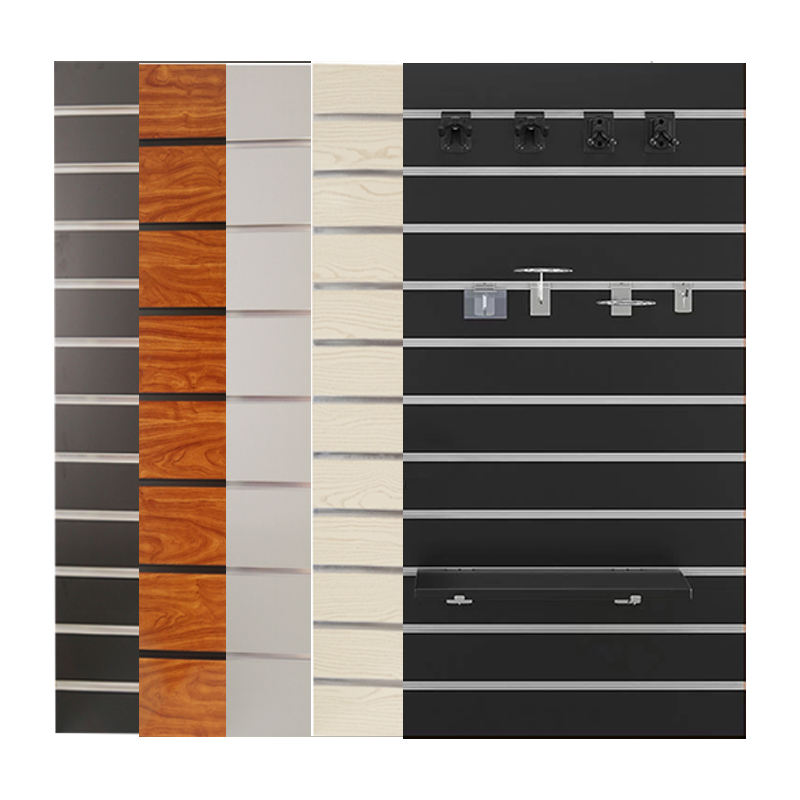
In commercial environments, these slats excel in reception areas, conference rooms, and hospitality spaces where both form and function matter. Designers often pair basswood slats with acoustic insulation backing to enhance sound absorption, ideal for open-plan offices or busy restaurant dining rooms. In retail stores and showrooms, slatted walls offer an elegant means of displaying merchandise, while in galleries and exhibition spaces, they provide a neutral yet textured backdrop that highlights artwork without distraction. From modern Scandinavian lofts to mid-century-inspired bungalows, basswood slats adapt effortlessly, showcasing their capacity to elevate any interior through subtlety and refinement.
Advantages of Choosing Basswood Slats Over Other Materials
When comparing basswood slats to alternative materials—such as MDF, metal, or composite panels—the advantages become clear. First, the natural wood grain and warm tones of basswood impart a level of authenticity that synthetic materials struggle to match. This inherent beauty enhances perceived value and creates a psychologically soothing environment linked to biophilic design principles. Unlike metal slats, which can feel cold and industrial, basswood slats bring a humanizing warmth and tactile comfort to a space.
Additionally, installation of basswood slats is generally straightforward, thanks to their uniform thickness and relatively light weight. This ease of handling can translate into lower labor costs and quicker project timelines compared to heavier hardwoods or complex composite systems. Basswood is also less prone to off-gassing volatile compounds, making it a healthier choice for indoor air quality. Its acoustic properties surpass those of flat panels, while its fire-retardant treatment options meet stringent building codes. Ultimately, choosing basswood slats balances aesthetics, performance, and environmental responsibility, setting them apart as a superior choice for discerning designers and homeowners alike.
Maintenance Tips for Longevity and Beauty
Keeping basswood slats looking pristine over time requires simple, routine care. Begin by gently dusting surfaces with a soft, dry cloth or using a vacuum with a brush attachment to remove loose particles. For regular cleaning, a lightly dampened microfiber cloth can address fingerprints or smudges—just be sure not to oversaturate the wood, as excessive moisture can compromise the finish. If your slats are finished with oil or wax, reapply the recommended product every six to twelve months to maintain luster and protective qualities.
Avoid placing slats in direct sunlight for prolonged periods, as UV exposure can gradually alter the wood’s hue. In environments with fluctuating humidity, consider using a humidifier or dehumidifier to keep levels between 40–60%, ensuring the slats neither expand excessively nor become brittle. Should you notice minor scratches or wear, fine-grit sandpaper followed by a matching finish can seamlessly restore the surface. By following these straightforward maintenance tips, your basswood slats will retain their warmth, texture, and structural integrity for decades to come.
Sustainability and Environmental Benefits of Basswood
Basswood slats stand out not only for their design appeal but also for their eco-conscious credentials. Harvested from sustainably managed forests, basswood is a rapidly regenerating species that contributes to responsible forestry practices. Many suppliers adhere to certification standards—such as FSC (Forest Stewardship Council)—ensuring that for every tree felled, new saplings are planted to maintain forest health and biodiversity. This cycle of renewal underscores long-term environmental stewardship.
In addition, basswood’s light weight reduces transportation emissions compared to denser hardwoods, lessening the carbon footprint associated with shipping to project sites. Its biodegradability at end of life means the wood can be repurposed or composted, avoiding landfill accumulation. Low-emission finishes further enhance indoor air quality, aligning basswood slats with LEED (Leadership in Energy and Environmental Design) and other green building certifications. By choosing basswood slats, designers and homeowners embrace a material that harmonizes aesthetic excellence with ecological responsibility.
Incorporating Basswood Slats in Modern Design Trends
Recent interior design trends underscore a shift toward minimalism, biophilic elements, and textural layering—all of which play perfectly into the strengths of basswood slats. In minimalist schemes, slatted panels introduce subtle relief without interrupting the clean lines that define the aesthetic. Designers often employ monochromatic slat installations to create understated depth, allowing natural light and shadow to choreograph a dynamic visual effect throughout the day.
For those pursuing biophilic design, basswood slats invoke a connection to nature—paired with indoor plants and stone accents, they reinforce a sense of organic harmony. In open-plan living areas, slats can delineate zones without erecting solid walls, preserving sightlines and promoting an airy, communal feel. Mid-century modern revivals also benefit from slatted partitions or furniture facades, echoing period motifs while using a lighter, more sustainable material. As design philosophies continue to evolve, basswood slats remain at the forefront, adaptable enough to complement emerging styles while retaining their intrinsic charm.
Customization Options and Finishes Available
One of the key strengths of basswood slats is their unparalleled adaptability to various custom treatments. Standard offerings include raw, unfinished slats ready for on-site staining or painting. Popular stains range from natural pine hues to deeper walnut tones, enabling designers to match existing millwork or create striking contrast. For those seeking vivid color, basswood accepts pigmented lacquers and water-based paints that dry quickly and maintain a smooth finish.
Beyond color, advanced finishing techniques—such as UV-cured oils and hardwax treatments—provide enhanced durability and moisture resistance, perfect for high-traffic areas. CNC milling unlocks intricate patterns, while laser cutting can carve decorative motifs or perforations that improve acoustic performance. Custom widths and thicknesses are also readily available, allowing architects to specify slat dimensions that align precisely with project requirements. Whether you desire a sleek, uniform look or a richly textured, artisanal effect, basswood slats can be tailored to realize virtually any creative vision.
Testimonials and Reviews from Satisfied Customers
“Installing basswood slats in our dining room was one of the best decisions we’ve made,” shares Jenna, a homeowner in Portland. “The natural warmth and subtle texture completely transformed the space, making it feel cozy yet sophisticated. Our friends can’t believe it’s real wood—it looks professionally crafted.” Jenna highlights not only the aesthetic uplift but also the product’s ease of installation and minimal upkeep.
Professional interior designer Marcus Lee adds, “I specify basswood slats in almost every project. Clients appreciate the clean lines and organic tones, and I love how quickly the material adapts to different finishes. It’s lightweight, dimensionally stable, and acoustically beneficial, which ticks all the boxes for modern residential and commercial work.” These testimonials reflect a widespread appreciation for the versatility and enduring quality of basswood slats, confirming their status as a top-tier choice in interior design.
Conclusion: The Enduring Allure of Basswood Slats
Basswood slats capture a unique intersection of natural beauty, functional performance, and environmental responsibility. Their rich history, versatile properties, and ability to integrate seamlessly into diverse design styles ensure they remain a beloved material among designers and homeowners alike.
From their humble origins in traditional lath-and-plaster construction to their prominent role in contemporary interiors, basswood slats continue to evolve while preserving their timeless appeal. Whether you seek warmth, texture, or acoustic benefits, these elegant wood strips deliver an enduring allure that enriches any space.