Imagine a world where your home not only shelters you but actively contributes to a sustainable future. This is no longer a distant dream; it’s becoming a reality with the advent of window blinds with solar panels. These innovative solutions are poised to revolutionize the way we think about energy efficiency and home design. By seamlessly integrating technology with everyday household items, we are stepping into an era where every element of our living space can play a crucial role in reducing carbon footprints and lowering energy costs.
As we increasingly face the impacts of climate change, the importance of eco-friendly home upgrades has never been more vital. Traditional homes are waking up to the new possibilities offered by cutting-edge technology, and window blinds equipped with solar panels are leading this transformation. Imagine drawing your blinds in the morning only to harness the sun’s power for your home; it’s a concept that not only promotes sustainability but also brings tangible benefits to homeowners. Dive into this article to explore how these futuristic blinds are set to redefine our homes and support a greener planet.
Advantages of Window Blinds with Solar Panels
Window blinds with solar panels offer a compelling combination of form and function, allowing homeowners to maximize otherwise wasted surface area on windows. By integrating photovoltaic cells directly into the slats, these blinds generate clean electricity without requiring additional rooftop space. This dual-purpose design not only shades interiors and blocks harmful UV rays but also converts sunlight into usable energy, reducing reliance on grid power. Moreover, the technology behind these blinds advances rapidly, offering higher efficiency rates and more durable materials, meaning each season’s upgrades bring even better performance.
Beyond energy generation, solar panel blinds also contribute to thermal comfort. By blocking direct sunlight at peak hours, they help maintain indoor temperatures and reduce air conditioning loads. Many systems include adjustable tilt features, so homeowners can optimize shading angles throughout the day, blending daylighting needs with energy production goals. Additionally, these blinds can add value to a property. Prospective buyers increasingly seek green home upgrades, and integrating renewable energy solutions like window blinds with solar panels can set a home apart in a competitive real estate market.
How Window Blinds with Solar Panels Work
At the heart of window blinds with solar panels is the photovoltaic layer embedded within each slat. These PV cells capture sunlight and convert it into direct current (DC) electricity. Thin-film or crystalline silicon photovoltaic materials are typically used, providing a balance between flexibility, transparency, and power output. Wiring runs through the headrail, collecting DC power and routing it to a microinverter or power management unit hidden within the mounting bracket. From there, electricity is either fed into the home’s electrical panel or stored in a compatible battery system for later use.
Smart controls often accompany solar blinds to maximize performance. Light sensors can adjust the slat angle to ensure optimal sun capture throughout the day, while mobile apps allow homeowners to monitor real-time energy production. In some advanced models, excess power generated can be exported back to the grid, earning credits through net metering. This seamless integration between shading device and solar generator exemplifies modern building technology, where efficiency and aesthetics converge to create a truly innovative home solution.
Integration of Technology in Home Design
Incorporating window blinds with solar panels into home design marks a shift toward holistic, energy-efficient architecture. Designers and architects now have the option to specify these blinds as part of a building’s façade, combining renewable energy with daylight management. The result is a sleek, futuristic look that aligns with sustainable design principles. From minimalist lofts to luxury estates, solar blinds can be tailored to complement various architectural styles, ensuring that functionality doesn’t compromise beauty.
Moreover, these blinds are increasingly tied into broader home automation systems. Through standardized communication protocols like Zigbee, Z-Wave, or Wi-Fi, they interact with HVAC, lighting, and security systems. For example, when sensors detect a spike in indoor temperature, the blinds can automatically tilt to a closed position while simultaneously uploading excess solar power to battery storage. This level of coordination reduces overall energy consumption and enhances occupant comfort, demonstrating how smart technology integration transforms static window treatments into dynamic building components.
Impact on Energy Efficiency
Window blinds with solar panels can significantly improve a home’s energy efficiency by tackling two fronts simultaneously: active energy generation and passive solar control. During sunny days, PV-equipped blinds generate electricity that offsets the household’s daytime demand, particularly reducing peak-load charges. At the same time, they minimize heat gain through windows, cutting down the cooling energy required by air conditioning systems. This synergy leads to substantial reductions in utility bills and a smaller overall carbon footprint.
Additionally, the ability to fine-tune slat angles means homeowners can balance daylight harvesting with shading needs. By letting diffused light in while blocking direct beams, these blinds reduce reliance on artificial lighting without overheating interiors. When integrated with building energy management software, users gain insights into performance metrics—daily kilowatt-hours generated, cooling load reduction, and long-term savings projections—empowering them to make data-driven decisions about energy usage. This holistic approach embodies the future of sustainable living.
Environmental Benefits of Solar Panel Blinds
Embracing window blinds with solar panels helps reduce greenhouse gas emissions by offsetting electricity that would otherwise come from fossil-fuel power plants. Every kilowatt-hour generated by these blinds contributes to cleaner air and lower environmental impact. In urban areas, where rooftop space for solar panels may be limited or stringent building regulations exist, using window surfaces for renewable energy production is a game-changer—unlocking new potential for carbon-neutral buildings.
Further, by limiting ultraviolet and infrared radiation from entering a home, solar blinds protect interior furnishings from sun damage, extending the life of carpets, furniture, and artwork. Fewer replacements mean less material consumption and waste. Combined with the recyclable materials often used in PV manufacturing, these blinds represent an ecologically responsible choice. As green building certifications like LEED and BREEAM emphasize passive solar strategies and renewable energy, window blinds with solar panels become a strategic asset in achieving higher sustainability ratings.
Cost Savings and Return on Investment
While the upfront cost of window blinds with solar panels may exceed that of traditional blinds, the long-term savings balance the initial investment. Homeowners can expect to recoup expenses through reduced electricity bills and potential earnings from net metering. Depending on local utility rates and solar incentives, payback periods often range from five to eight years. In regions offering tax credits or rebates for residential solar installations, these financial incentives further accelerate ROI, making solar blinds an increasingly attractive option.
Moreover, the added value to a property should not be underestimated. Studies show that homes featuring renewable energy technologies often command higher resale prices and sell more quickly. When factoring in avoided costs—such as lower maintenance on HVAC systems due to decreased load and potential insurance discounts for energy-efficient upgrades—the overall financial picture becomes even more favorable. For environmentally conscious homeowners, the blend of economic and ecological benefits solidifies window blinds with solar panels as a smart, future-proof investment.
Customization Options and Aesthetic Appeal
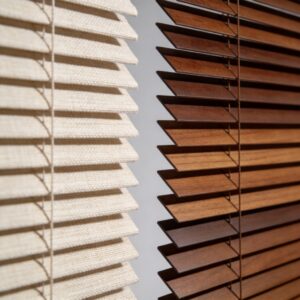
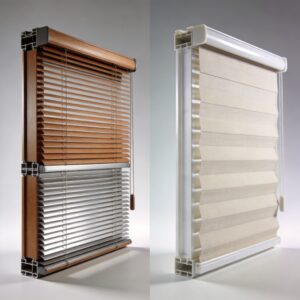
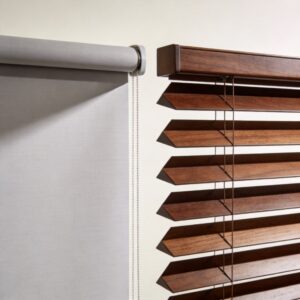
Manufacturers of solar panel blinds offer a diverse range of styles, colors, and materials to suit any décor. From sleek aluminum slats with integrated thin-film PV to warmer wooden finishes embedded with discreet crystalline cells, homeowners can choose options that reflect their personal taste while harnessing solar energy. Motorization is available for effortless operation, and manual alternatives ensure affordability for budget-conscious shoppers. Whether you prefer bold hues or subtle neutrals, customization ensures that energy-generating blinds harmonize with your interior design vision.
Additionally, smart controls enable dynamic lighting scenes—morning routines that gradually raise blinds to welcome natural light, midday adjustments to minimize glare, and evening closures for privacy. These visual and functional enhancements contribute to a comfortable, modern living environment. By turning a basic window treatment into a statement feature, solar blinds redefine aesthetic expectations and underscore how green technology need not sacrifice style.
Compatibility with Smart Home Systems
Integrating window blinds with solar panels into a smart home ecosystem unlocks advanced automation and energy management capabilities. Compatible with popular platforms like Amazon Alexa, Google Home, and Apple HomeKit, these blinds can be voice-activated or scheduled via mobile apps. For instance, a homeowner might set routines that close the blinds during peak sun hours to maximize energy capture, then open them during the golden hour for scenic views—all through a single dashboard.
Furthermore, integration with home energy monitors and thermostats creates a synchronized environment. If the thermostat detects rising indoor temperatures, it can send a command to the blinds to partially close, reducing cooling loads and simultaneously harnessing solar power. In emergency scenarios, such as utility outages, the blinds’ built-in battery backup can provide essential lighting or power small devices. This level of interoperability showcases how window blinds with solar panels transcend traditional shading to become integral components of a connected, resilient home.
Installation and Maintenance Considerations
Proper installation of window blinds with solar panels is crucial for optimal performance. Accurate measurements of window dimensions ensure full coverage and prevent gaps where sunlight could bypass the PV cells. Professional installers typically handle electrical wiring, connecting the blinds to the home’s inverter or breaker panel while adhering to local codes. Depending on the configuration, certain permits may be required, especially if the blinds tie into the main electrical system or battery storage components.
Maintenance requirements are minimal compared to rooftop solar arrays. Occasional cleaning of the slats with a damp, lint-free cloth removes dust and debris, ensuring maximum light absorption. Routine inspections of wiring connections help maintain safety and performance, though high-quality manufacturers often include long-term warranties covering defects and power output. With basic care and professional support when needed, homeowners can enjoy reliable energy generation and shading benefits for years to come.
Conclusion: Embracing a Sustainable Future
Window blinds with solar panels embody the next frontier in green home innovation, seamlessly merging energy generation with everyday functionality. By capturing sunlight at our windows, they offer a practical and visually appealing way to reduce energy bills, shrink carbon footprints, and enhance living comfort.
As technology advances and materials evolve, these blinds will become more accessible, efficient, and customizable. For homeowners intent on contributing to a sustainable future, investing in solar-powered window treatments marks a transformative step toward greener, smarter living.