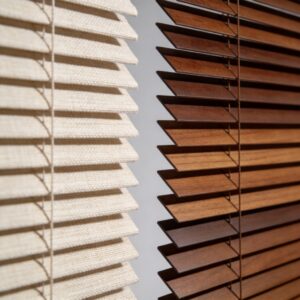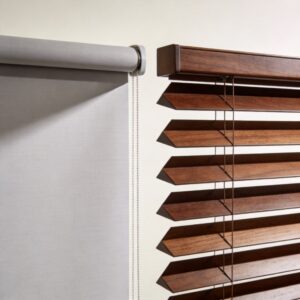
Imagine walking into a room where the sunlight filters gently through beautifully crafted natural wood blinds, casting delicate patterns on your walls and floor. This isn’t just about enhancing the aesthetics of your space; it’s about creating an environment that marries functionality with timeless elegance. Wood blinds offer an unmatched ability to transform interiors, providing not just shade and privacy, but also a unique character that resonates with nature’s charm. With real wood blinds, you’re inviting a piece of the natural world into your home, blending warmth and sophistication effortlessly.
Choosing wood blinds is more than a design decision; it’s a lifestyle choice that speaks to sustainability and quality. In an era where artificial materials often dominate, opting for natural wood blinds can make a significant impact on both your living environment and the planet. These blinds are not just a window treatment but a statement of taste, refining any room with their classic appeal and robust strength. Ready to explore how this timeless feature can elevate your interiors? Let’s delve into the transformative power of these exquisite wood venetian blinds.
The Versatility of Natural Wood Blinds
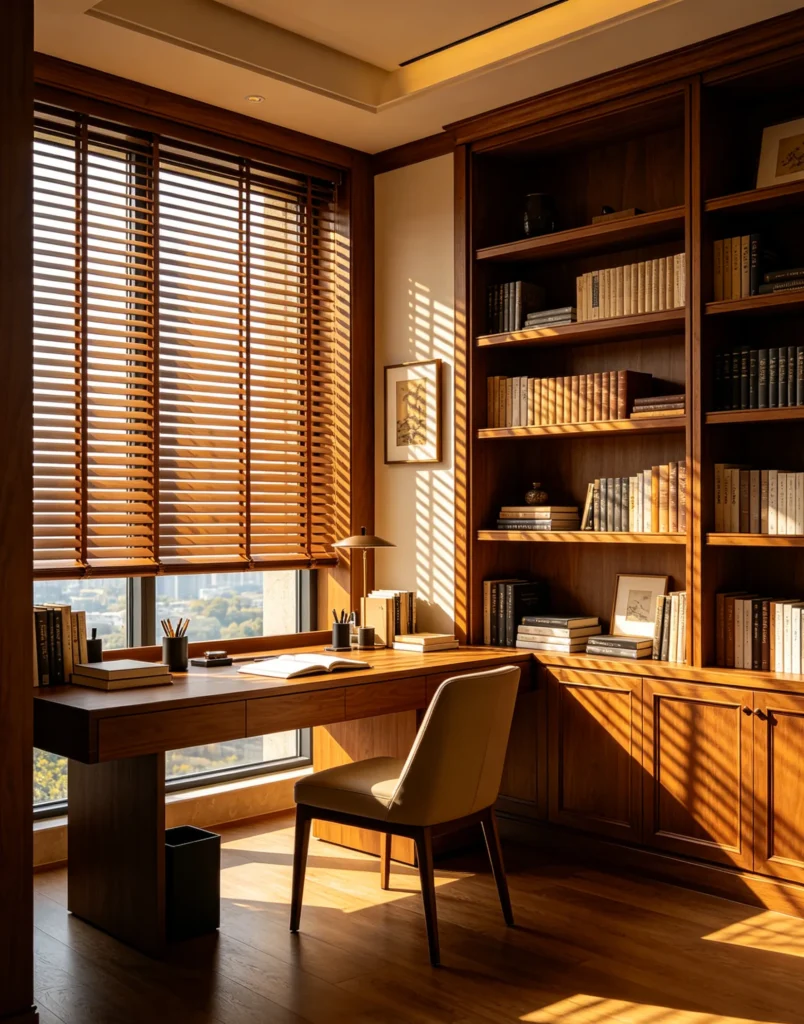
Natural wood blinds bring unmatched versatility to interior design, seamlessly blending with a wide spectrum of décor styles, from modern minimalist spaces to traditional, rustic retreats. Unlike fabric curtains or vinyl window coverings, real wood blinds add depth and warmth with their organic grain patterns and rich textures. Whether you choose a light maple finish for a Scandinavian-inspired room or a darker mahogany slat to complement a classic library setting, wood blinds can be tailored to suit any color palette and architectural detail.
Beyond visual appeal, wood blinds function effectively in diverse environments. They offer precise light control, allowing you to adjust the angle of the slats for filtered daylight or full privacy. In living rooms, they help reduce glare on television screens; in bedrooms, they block out early morning sun for a restful sleep. Even home offices benefit from their ability to soften harsh daylight, creating a comfortable workspace. The versatility of wood Venetian blinds extends to installation too—you can mount them inside the window frame for a neat look or outside for maximum coverage. With countless slat widths and mounting options, these blinds adapt to windows of every size and shape, proving that natural wood blinds are not just beautiful but incredibly practical.
Enhancing Natural Light with Wood Blinds
Wood blinds excel at harnessing natural light to create inviting, luminous spaces without compromising privacy. By simply tilting the slats, you can control the flow of sunlight, allowing gentle rays to bathe your interiors in a warm glow. This dynamic interaction between light and wood grain imparts a cozy ambiance, making rooms feel more spacious and welcoming.
Compared to solid drapes that block light entirely, wood Venetian blinds offer a sophisticated compromise. You still enjoy views of the outdoors while limiting harsh glare and UV exposure, which can fade fabrics and damage furniture over time. In kitchens and dining areas, this balanced light enhances meal experiences, while in home offices and living spaces, it improves productivity and mood. The natural insulation properties of real wood also help moderate room temperature, reflecting excess heat outside and retaining warmth during cooler months. With wood blinds, you’re not just managing light—you’re optimizing it to uplift every corner of your home.
Choosing the Perfect Wood Finish for Your Space
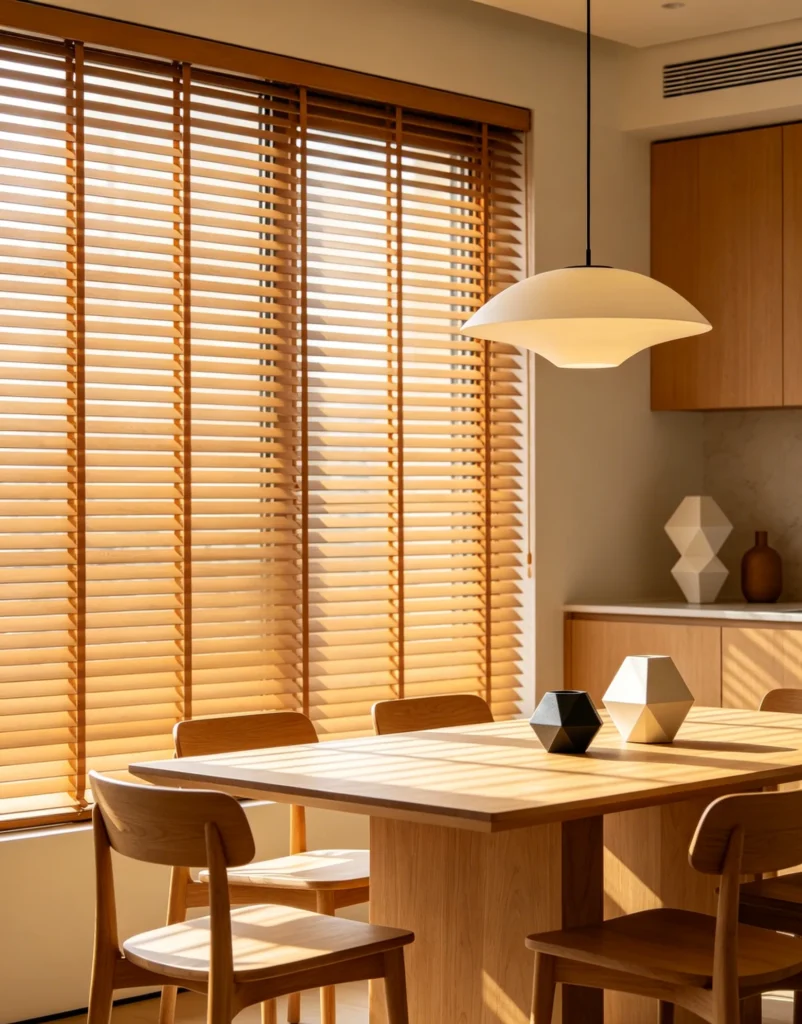
Selecting the ideal finish for your wood blinds is a critical step in achieving a cohesive, polished look. From light bleached oak to deep walnut stains, finishes influence both aesthetics and durability. A matte finish offers a contemporary, understated appeal, highlighting the natural grain without drawing excessive attention, while a glossy finish can convey luxury and reflect more light into the room.
When matching finishes, consider the existing furniture and flooring. If you have cherry wood cabinets or hardwood floors, a complementary blind finish can tie the room together. For contrasting styles, a darker blind finish against lighter walls creates a striking focal point. Also factor in maintenance: sealed finishes resist moisture and stains better, making them ideal for kitchens and bathrooms, whereas natural or oil-based finishes suit living rooms and bedrooms where humidity is moderate. Ultimately, your choice should reflect both your design vision and practical needs, ensuring that your wood blinds enhance and endure.
Customizing Your Wood Blinds for a Personal Touch
Custom wood blinds offer personalization options that off-the-shelf products simply can’t match. From slat width to headrail style and lift mechanisms, every detail can be tailored to your preferences and functional requirements. This level of customization transforms window coverings into bespoke design elements that reflect your unique taste.
Whether you prefer cordless operation for enhanced safety around children and pets or motorized controls for smart-home integration, real wood blinds adapt to modern lifestyles. You can even select decorative valances, tapes, or pull cords in coordinating fabrics and hues to further refine the look. Many manufacturers offer specialty cuts for arch and bay windows, ensuring a perfect fit. By customizing your natural wood blinds, you not only elevate the aesthetic quality of your interiors but also optimize functionality—creating a truly personal window treatment solution.
Maintenance Tips for Long-Lasting Wood Blinds
Regular care keeps wood blinds looking their best and extends their lifespan. Begin with routine dusting—use a microfiber cloth, soft-bristled brush, or the brush attachment of your vacuum—to remove surface debris. Light dusting once a week prevents build-up and maintains the wood’s natural luster.
For deeper cleaning, mix a mild, non-abrasive wood cleaner with water. Dampen a cloth (never soak) and gently wipe each slat, following the grain. Immediately dry with a separate towel to prevent water damage. Avoid harsh chemicals or excessive moisture, which can warp or discolor the wood. Check cords and lift mechanisms periodically, tightening hardware if necessary and replacing worn parts. With these maintenance habits, your wood blinds will continue to grace your home with elegance and performance for years to come.
Eco-Friendly Benefits of Natural Wood Blinds
Choosing natural wood blinds aligns with sustainable living goals. Sourced from responsibly managed forests, many wood blind manufacturers adhere to certifications like FSC (Forest Stewardship Council), ensuring trees are harvested with minimal environmental impact. Opting for real wood blinds supports renewable resources rather than petroleum-based materials.
Wood Venetian blinds also contribute to energy efficiency. Their insulating properties help regulate indoor temperatures, reducing reliance on heating and cooling systems. In colder months, the wood retains warmth, while in summer, it deflects direct sunlight, keeping interiors cooler. Additionally, wood is biodegradable at the end of its lifespan, unlike plastic alternatives that contribute to landfill waste. Embracing natural wood blinds is not just a design choice—it’s a responsible commitment to our planet’s health.
Incorporating Wood Blinds into Various Interior Styles
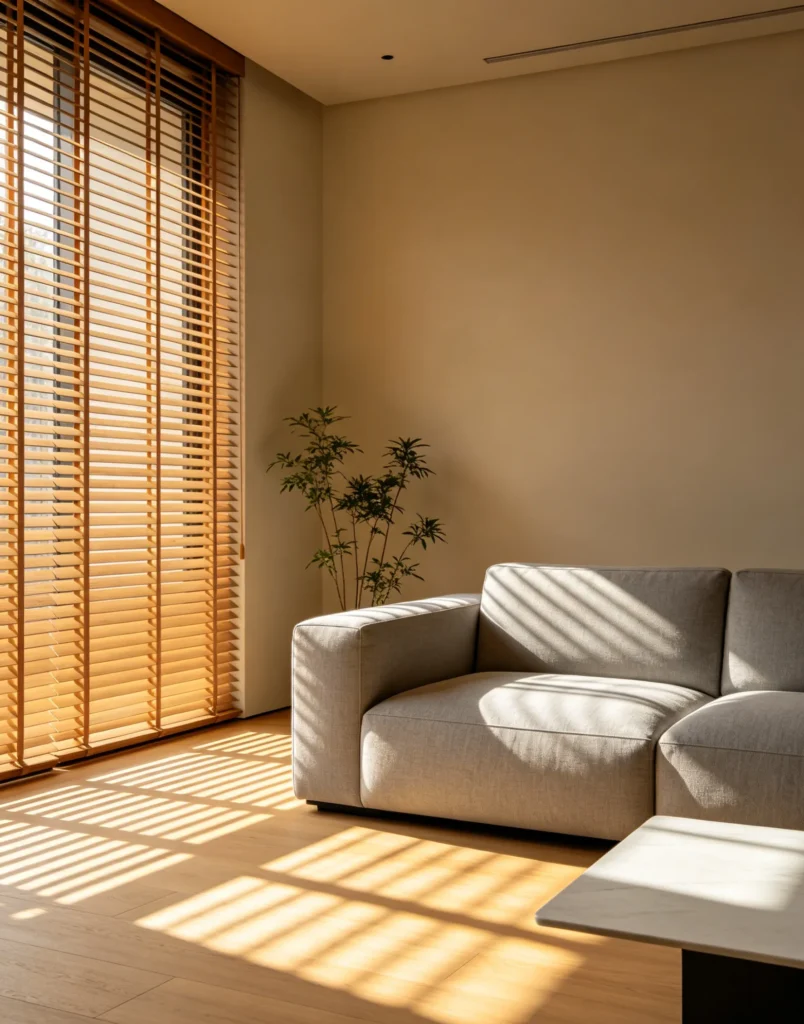
Natural wood blinds are extraordinarily adaptable, fitting seamlessly into diverse décor themes. In coastal-inspired rooms, bleached oak blinds echo sun-bleached driftwood, enhancing a relaxed, beachy vibe. Pair them with whitewashed walls and soft blues for a serene retreat. In mid-century modern interiors, walnut-stained slats complement teak furniture and geometric accents, creating a sophisticated, retro-infused atmosphere.
Rustic farmhouse settings benefit from distressed wood blinds, where knots and imperfections add character. Combine with burlap valances and wrought-iron hardware for authentic country charm. Even industrial loft spaces can incorporate real wood blinds to soften exposed brick and metal fixtures, balancing hard edges with organic warmth. By selecting the right tone and accessories, wood blinds can elevate any style, proving they are a timeless design staple.
Wood Blinds vs. Faux Wood Blinds: A Comparison
Choosing between real wood blinds and faux wood blinds involves weighing aesthetics, durability, and budget. Natural wood blinds offer authentic grain patterns, rich textures, and a warm feel that synthetic materials struggle to replicate. They are lighter and less prone to sagging than PVC alternatives, providing superior longevity.
On the other hand, faux wood blinds—often made from PVC or composite—excel in moisture resistance, making them suitable for bathrooms, kitchens, and humid climates. They are generally more affordable than genuine wood and easier to clean with simple soap and water. However, faux options may lack the nuanced beauty and eco-friendly credentials of real wood Venetian blinds. Ultimately, if you value authenticity, luxury, and sustainability, natural wood blinds are the premier choice; if budget and moisture resistance are priorities, faux wood blinds offer a practical alternative.
Budget-Friendly Ways to Acquire Quality Wood Blinds
Investing in real wood blinds doesn’t have to break the bank. Start by exploring entry-level species like basswood or poplar, which provide attractive grain patterns at a lower price point than exotic hardwoods. These affordable timbers can be stained to mimic pricier options, delivering a high-end look for less.
Another cost-saving strategy is to purchase blinds in standard sizes rather than custom dimensions. Many retailers offer a range of common window widths and lengths at discounted rates. If you need slight adjustments, consider trimming slats yourself or hiring a local handyman. Seasonal sales and clearance events can also yield significant discounts—keep an eye out around holiday weekends or end-of-season promotions. Finally, compare online and brick-and-mortar suppliers for price-match guarantees and free shipping offers. By combining these tactics, you can enjoy the beauty and benefits of natural wood blinds without overspending.
Conclusion: Elevating Your Living Spaces with Natural Wood Blinds
Natural wood blinds blend unparalleled elegance with practical benefits, making them a standout choice for any interior. From controlling light and enhancing ambiance to supporting eco-friendly principles, real wood Venetian blinds bring both functionality and style into your home.
By selecting the right finishes, customizing features, and maintaining your blinds properly, you ensure a timeless window treatment that will serve you for years. Embrace the warmth and sophistication of wood blinds to transform your living spaces into inviting, harmonious environments.