Imagine strolling through a bustling fabric market, surrounded by vibrant colors and intricate patterns, each roll of cloth telling its unique story. Now, imagine having the power to create your own designs, bringing your artistic visions to life on textiles that reflect your personal style. Custom fabric printing is a revolutionary tool in fashion, breaking down the barriers of traditional design limitations and allowing creators to explore uncharted territories of expression. This exciting world of bespoke textile creation is not just for seasoned designers but is accessible to anyone with a passion for creativity.
In an era where individuality is highly prized, the ability to craft garments from your custom fabric opens doors to endless possibilities. Whether you’re a fashion enthusiast eager to make a statement with one-of-a-kind outfits or a business striving to stand out in a saturated market, custom fabric printing offers a canvas as vast as your imagination. By embracing this innovative process, you can transform simple ideas into tangible, wearable art, redefining what it means to be original in today’s fast-paced fashion landscape. Dive into the magic of fabric personalization and unlock your creativity like never before!
Understanding the Custom Fabric Printing Process

The journey of custom fabric printing begins long before the ink touches the textile. It starts with selecting the right printing technique, such as digital direct-to-fabric printing, screen printing, or dye-sublimation, each method offering unique benefits and limitations. Digital printing delivers intricate details and unlimited color options, making it ideal for photographic prints and gradient effects. Screen printing, on the other hand, excels at bold, vibrant colors and is cost-effective for larger batches. Dye-sublimation works best on polyester and blends, allowing the ink to bond seamlessly with the fibers for a soft, durable finish.
Once the printing method is chosen, designers prepare artwork in the correct color space and resolution, usually in CMYK at 300 DPI or higher. The image is then separated into screens (for screen printing) or sent directly to a digital printer. After printing, fabrics undergo curing or steaming to fix the inks and ensure colorfastness. Post-print finishing may include heat-setting, washing to remove excess dye, and even additional processes like laminating or applying special coatings for added durability or texture. Understanding each step of the custom fabric printing workflow empowers you to make informed decisions, optimize quality, and bring your creative visions to life with professional results.
Choosing the Right Fabric for Your Design
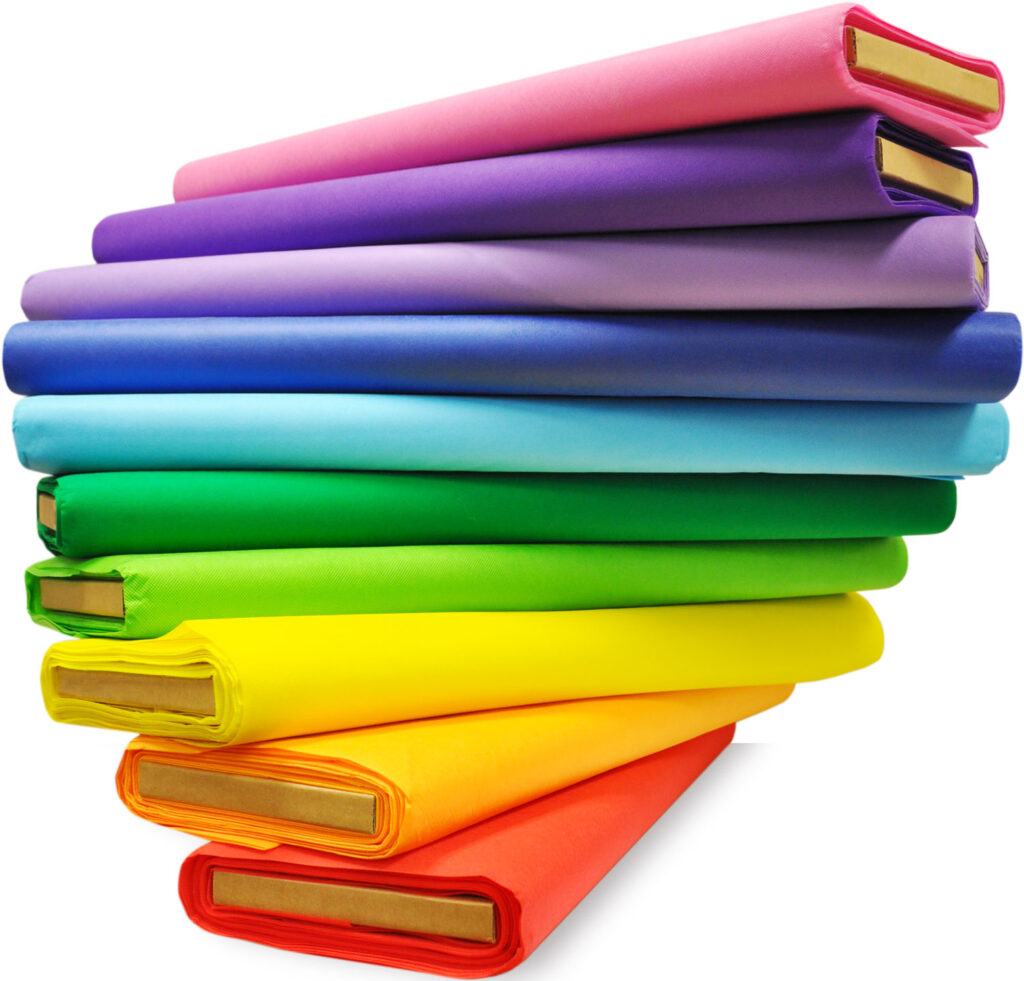
Selecting the ideal textile is a critical decision in custom fabric printing, as the fabric’s composition directly influences print clarity, color vibrancy, and overall feel. Natural fibers like cotton and silk absorb water-based inks beautifully, resulting in soft hand-feel and rich hues perfect for apparel and home décor. Cotton is versatile and budget-friendly, while silk offers a luxurious sheen that enhances intricate designs. Linen and rayon add a textured, organic aesthetic but may require special handling to avoid uneven dye uptake.
Synthetic fabrics such as polyester and polyester blends are preferred for dye-sublimation printing because the ink chemically bonds with the polymer fibers, producing durable, vibrant prints. These fabrics excel in activewear, swimwear, and outdoor textiles due to their moisture-wicking properties and resistance to fading. Blended fabrics combine the strengths of both worlds—cotton–poly blends balance breathability with durability, while spandex blends introduce stretch for fitted silhouettes. Understanding the performance and printing compatibility of each material ensures your custom fabric printing project delivers the desired look and functionality.
Designing Your Custom Fabric: Tools and Techniques
Creating compelling patterns for custom fabric printing starts with the right digital tools. Professional designers often rely on Adobe Illustrator and Photoshop for vector patterns and photo manipulations, ensuring crisp lines and scalable artwork. Apps like Procreate on tablets allow for hand-drawn designs and organic brush strokes that can be digitized easily. For beginners or those seeking simplicity, platforms such as Canva or online repeat pattern generators provide user-friendly interfaces with built-in templates and swatches. Whichever tool you choose, set your document to the correct dimensions and resolution—typically 300 DPI with a bleed area to accommodate printer margins.
Techniques for developing patterns include hand-sketching motifs and scanning them for digital refinement, using symmetry tools to create seamless repeats, and experimenting with layers to build depth. Vector graphics enable you to adjust colors and shapes without losing quality, while raster images allow for complex textures and shading. Pay attention to tile alignment, scale, and negative space to ensure your pattern flows smoothly across wide fabric widths. By mastering these design tools and techniques, you’ll be equipped to produce professional-quality artwork that translates beautifully into your custom fabric printing projects.
Incorporating Colors and Patterns Effectively
Color selection is at the heart of memorable custom fabric printing. Begin by exploring color theory fundamentals—complementary, analogous, and triadic schemes—to build harmonious palettes. Tools like Pantone color guides and digital swatches help you match on-screen designs to real-world inks, reducing surprises in the final print. Remember that fabric type can alter color perception; natural fibers might mute pigments slightly, while synthetics often yield more vibrant outcomes. Always order fabric swatches or test prints to verify your colors before committing to a full production run.
Pattern scale and placement also play a crucial role in how a design reads on the body or in décor. Large motifs make a bold statement on curtains or maxi dresses but can overwhelm smaller garments if not scaled appropriately. Conversely, micro prints work beautifully for accessories or children’s clothing but may lose detail on expansive surfaces. Experiment with repeat styles—half-drop, mirror, or brick repeats—to add variety and visual interest. By balancing color harmony with thoughtful pattern placement, your custom fabric printing designs will stand out with clarity and cohesion.
Adding Textures and Finishing Touches
To elevate your custom fabric beyond flat prints, consider integrating tactile textures and specialty finishes. Embossing and flocking add raised patterns that invite touch, while foil printing or metallic inks introduce reflective accents for a luxurious effect. Puff prints provide dimension by expanding the ink, creating a soft, three-dimensional surface that is both eye-catching and contemporary. These techniques can be combined with traditional printing methods to add layers of complexity and intrigue to your textile designs.
Finishing touches such as softeners, anti-wrinkle treatments, or water-repellent coatings enhance the performance and hand-feel of printed fabrics. Reactive inks can produce watercolor-like textures that bleed gently into the fibers, while discharge printing removes dye to reveal lighter colors for a vintage look. Even simple processes like enzyme washes can give fabrics a lived-in softness that complements bold prints. By experimenting with textures and finishes, you’ll transform flat patterns into multisensory experiences that captivate the wearer and elevate your custom fabric printing creations.
Sustainability in Custom Fabric Printing
Incorporating sustainability into your custom fabric printing workflow is not only responsible—it’s increasingly demanded by conscious consumers. Opt for eco-friendly inks such as water-based or plant-based pigments that minimize chemical runoff and reduce environmental impact. Digital printing methods inherently waste less water and energy compared to conventional rotary or flatbed screen printing, making them a greener choice for small to medium production runs. Seek Oeko-Tex or GOTS certifications to guarantee your textiles meet rigorous standards for low environmental footprint and safe chemical use.
On-demand production helps prevent overstock and unnecessary waste, allowing you to print only what is sold. Recycle fabric scraps into patchwork projects or sample kits, or collaborate with textile recyclers to upcycle offcuts into insulation or stuffing materials. Partnering with suppliers committed to renewable energy and fair labor practices further strengthens your sustainability credentials. By prioritizing eco-conscious materials, processes, and partnerships, your custom fabric printing enterprise can contribute to a healthier planet while appealing to eco-minded customers.
Exploring Trends in Custom Fabric Design
The landscape of custom fabric printing is continually evolving, driven by technological advancements and shifting consumer tastes. One emerging trend is the integration of smart textiles—fabrics embedded with sensors or conductive threads—that respond to environmental stimuli like temperature or movement. Another hot topic is the use of AI-generated patterns, where machine learning algorithms create unique designs based on user inputs, opening new frontiers for personalization. These innovations are expanding what’s possible in both function and aesthetics.
On the stylistic front, maximalist prints featuring bold florals, oversized geometrics, and saturated color palettes are making a comeback, while micro prints and minimalistic motifs appeal to those seeking understated elegance. Botanical and nature-inspired patterns, often rendered in hand-drawn or watercolor styles, remain perennial favorites. Tech-driven trends such as 3D textures and augmented reality overlays—where smartphone apps animate static prints—are pushing the envelope of immersive, interactive textile experiences. Staying informed about these developments will inspire fresh ideas and keep your custom fabric printing designs at the cutting edge of fashion innovation.
Showcasing Your Custom Fabric Creations
Once your custom fabric printing project is complete, presenting your creations in the best light is essential for making an impact. High-quality photography—using natural light, neutral backdrops, and close-up shots—captures details like print clarity, texture, and color vibrancy. Create styled flat lays or lifestyle shoots featuring the fabric in real-world settings, such as upholstered furniture, garments on models, or home décor vignettes. Engaging visuals help viewers imagine how your custom fabrics can enhance their own projects.
Beyond photography, build a digital portfolio or lookbook on your website or social media platforms. Write engaging captions that describe your inspiration, printing methods, and fabric specifications. Consider short video reels or behind-the-scenes clips that showcase the printing process, adding transparency and authenticity to your brand. Participate in industry events, craft fairs, and pop-up shops to gather feedback and network with potential collaborators. By strategically showcasing your custom fabric printing creations, you’ll attract clients, spark partnerships, and solidify your reputation as a creative force in the textile world.
Tips for Caring for Custom Printed Fabrics
Proper care ensures your custom fabric printing pieces retain their look and feel through countless wears and washes. Always check the fabric type before laundering—natural fibers and synthetics may require different handling. When in doubt, opt for a gentle machine cycle or hand wash in cold water with a mild, pH-neutral detergent to protect both the print and the fabric. Avoid using bleach or harsh chemicals, which can fade colors or weaken fibers over time.
For drying, air drying flat or hanging in the shade is recommended to prevent shrinkage and sun bleaching. If you must tumble dry, use the lowest heat setting and remove items promptly to reduce wrinkling. Iron on the reverse side at a moderate temperature, placing a pressing cloth between the iron and fabric to safeguard the printed surface. Store your custom fabric creations in a cool, dry place away from direct sunlight to maintain color vibrancy. By following these care guidelines, your custom fabric printing designs will remain crisp, vibrant, and durable for years to come.
Embracing Your Creative Journey: Conclusion
Custom fabric printing offers an unparalleled avenue to transform your artistic visions into tangible, tactile art. From understanding the printing process to choosing the perfect textile, mastering design tools, and adopting sustainable practices, each step is a creative opportunity that brings you closer to crafting truly unique fabrics.
By staying informed about trends, experimenting with textures and finishes, and showcasing your work effectively, you’ll build a distinctive portfolio that resonates with your audience. Embrace this vibrant world of personalization and let your imagination run wild—your custom fabric printing journey is just beginning, and the possibilities are endless.