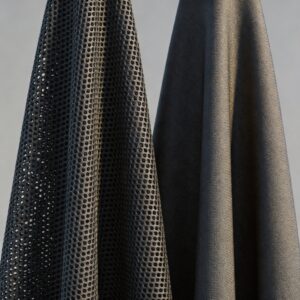
In the intricate world of textiles, discovering a fabric supplier who can adeptly balance both quality and reliability is akin to unearthing a hidden gem. Picture this: you’re painstakingly crafting a new fashion line or furnishing a room with your signature style, and the fabric’s texture, color, and durability are paramount to your project’s success. Suddenly, you realize the fabric you’ve ordered isn’t living up to its promised sheen, or worse, it arrives days after your deadline. It’s a scenario many dread, yet often encounter, highlighting the critical importance of choosing the right supplier.
Statistics reveal that in the competitive textile market, a staggering number of 40% of businesses have faced setbacks due to unreliable suppliers. This daunting figure emphasizes the essential role a dependable fabric supplier plays in the seamless execution of any design project. With countless options available, how do you sift through the myriad of choices to find the one that will complement and enhance your creative vision? In this blog post, we’ll navigate the often complex landscape of fabric suppliers, helping you discern the key qualities that distinguish the mediocre from the exemplary. Join us on this journey to ensure your projects never fall victim to subpar materials again.

Understanding the Impact of Quality Fabric
Quality fabric does more than just look and feel good—it defines the very character of your final product. When you partner with a reputable fabric supplier, you’re investing in materials that deliver consistent hand feel, drape, and performance. High-grade textiles translate into garments that hold their shape, upholstery that resists wear, and home décor elements that elevate interior spaces. Conversely, inferior fabrics can fade quickly, pill excessively, or even unravel under stress, leading to costly reworks, dissatisfied clients, and a tarnished brand reputation. By prioritizing premium textiles, you safeguard both your creative vision and your bottom line.
Moreover, quality fabric impacts the end user’s perception of your brand. In fashion, a sumptuous silk lining or a resilient denim adds value that customers recognize and are willing to pay for. In interiors, performance fabrics that resist stains and withstand frequent use reinforce trust in your design choices. When you source from a trusted fabric supplier, you also gain access to innovative blends and finishes that can set your offerings apart in saturated markets. Ultimately, the right textiles form the foundation of exceptional design and customer satisfaction.
Importance of Reliability in Fabric Sourcing
Reliability in sourcing is the backbone of any successful textile project. A dependable fabric supplier ensures consistent quality across multiple orders, minimizes delivery delays, and supports transparent communication regarding availability and lead times. Without this reliability, even the finest textiles can become liabilities if they arrive late or in mismatched batches. Establishing a trustworthy relationship with your supplier means fewer production hiccups and greater confidence that your schedules—and reputations—remain intact.
In practical terms, reliability translates to accurate inventory management, realistic lead times, and proactive problem-solving. When you work with a fabric supplier known for reliability, you benefit from advanced notice on potential shortages, seamless replenishments of popular items, and contingency plans for unexpected disruptions. This level of predictability fosters smoother project workflows and reduces stress for designers, production teams, and end customers alike. After all, in a business where timing is everything, reliability isn’t just a convenience—it’s a competitive differentiator.
Key Criteria for Evaluating Fabric Suppliers
Selecting the right fabric supplier requires a systematic approach. Begin by defining your project requirements: fiber content, weight, finish, sustainability certifications, and price point. Research potential vendors online, reviewing their product catalogs, client testimonials, and sample policies. Request swatches to assess hand feel and drape in real-world conditions. Additionally, inquire about minimum order quantities and return policies to ensure they align with your production scale. By quantifying these criteria, you transform supplier selection from guesswork into a structured evaluation.
Next, consider logistical factors such as geographic location, shipping lead times, and freight costs. A local supplier might offer faster turnarounds but limited product variety, whereas an overseas partner could provide lower prices and broader selections at the expense of longer shipping windows. Compare payment terms, import duties, and sample fees to forecast your total costs accurately. Finally, gauge each supplier’s customer service responsiveness: prompt replies, willingness to accommodate special requests, and transparency about stock levels are hallmarks of a vendor committed to long-term collaboration.
Assessing Fabric Quality: From Texture to Durability

Assessing fabric quality goes beyond a cursory touch. You need to understand the interplay of fiber composition, weave structure, and finishing treatments. Request detailed technical sheets that specify GSM (grams per square meter), tensile strength, colorfastness ratings, and abrasion resistance metrics. Evaluating these parameters helps you predict how the fabric will perform in your end application—whether it’s a high-traffic upholstery piece or a delicate bridal gown.
Inspect samples under different conditions: natural light for color evaluation, simulated washing cycles for shrinkage tests, and rub tests for pilling resistance. Observing how the textiles respond to stressors gives you confidence that the fabric supplier can deliver materials that meet your durability expectations over time.
The Significance of Consistent Color Matching
Consistent color matching is vital for projects requiring multiple fabric rolls or dye lots. Even slight variations in hue can undermine a cohesive aesthetic, forcing costly mid-production adjustments. A reliable fabric supplier maintains robust dyeing protocols and strict quality audits to ensure batch-to-batch uniformity.
When ordering multiple dye lots, always request lab dip approvals before bulk production. Lab dips—small trial swatches dyed to your specifications—allow you to sign off on the exact shade. This step prevents unpleasant surprises upon delivery and corroborates your supplier’s commitment to precision and repeatability.
Timeliness: Meeting Deadlines Without Compromising Quality
On-time delivery is non-negotiable in fashion and interior design. A fabric supplier that consistently meets agreed-upon deadlines safeguards your production calendar and maintains client trust. Delays can cascade into rushed manufacturing, expedited shipping fees, and, worst-case scenario, missed launch dates or installation windows.
To ensure punctuality, negotiate clear lead times and incorporate buffer periods into your project timeline. Regularly monitor shipment statuses and maintain open communication channels with your supplier’s logistics team. When unforeseen delays arise—be it raw material shortages or transportation issues—a proactive vendor will alert you promptly and offer viable alternatives or expedited solutions. This level of transparency keeps your project on track without sacrificing quality benchmarks.
Establishing Clear Communication Channels with Suppliers
Effective communication underpins every successful supplier relationship. From the initial inquiry to post-delivery support, clarity and responsiveness determine how smoothly your project progresses. Establish preferred communication methods—whether email, phone calls, or dedicated portal platforms—and identify primary contacts for order confirmations, technical questions, and issue escalation.
Regular check-ins and progress updates prevent misunderstandings and keep both parties aligned. Share detailed specifications, production schedules, and potential challenges early in the process. In turn, an attentive fabric supplier will reciprocate with timely confirmations, shipping notices, and readiness to address any deviations. This mutual transparency fosters trust, reduces errors, and ultimately strengthens collaboration.
Building Long-Term Relationships with Fabric Suppliers
Long-term partnerships yield benefits that transcend one-off transactions. When you commit to a fabric supplier over multiple seasons, you gain access to priority production slots, volume discounts, and co-development opportunities for custom textiles. Loyalty often translates into flexibility during peak demand periods and enhanced willingness from the supplier to invest in innovation tailored to your brand’s unique needs.
To cultivate lasting relationships, demonstrate reliability yourself: honor payment terms, provide clear forecasts, and share constructive feedback. Celebrate joint successes, acknowledge exceptional service, and engage your supplier in strategic planning discussions. By viewing your fabric supplier as a collaborator rather than merely a vendor, you unlock a synergistic dynamic built on mutual respect and shared goals.
Quality Control Measures: Ensuring Product Consistency
Implementing rigorous quality control (QC) processes ensures that every roll of fabric meets your standards. Start with incoming inspections: verify that each batch aligns with your approved lab dips and technical parameters. Use standardized checklists to record fabric width, weight, color fastness, and defect counts. This data-driven approach highlights trends and pinpoints deviations early.
In addition, consider third-party testing for specialized performance metrics like flame retardancy, moisture wicking, or UV resistance. Periodic audits of your supplier’s production facilities can further validate compliance with your specifications and industry regulations. By integrating robust QC measures into your sourcing strategy, you minimize surprises, protect your brand’s reputation for excellence, and ensure that every item bearing your name consistently delights customers.
Conclusion: Finding Your Ideal Fabric Supplier
Choosing the right fabric supplier is a strategic endeavor that influences every stage of your design process, from concept to finished product. By emphasizing quality, reliability, communication, and long-term collaboration, you set the stage for seamless project execution and enduring customer satisfaction.
As you evaluate potential partners, leverage structured criteria, sample testing, and transparent dialogues to make informed decisions. When your materials meet your highest standards and arrive on schedule, you can focus on what you do best—bringing inspired creations to life with confidence and flair.