If you have bought plantation shutters for a few years, you have met at least two of these. The useful question is not what went wrong but which test would have caught it before the container left.
Why failures cluster around one or two parameters
In shutters, the parameters in the table below are not independent. Material and Panel configuration between them explain most field failures, and both are routinely omitted from quotations because they are expensive to guarantee and easy to leave vague.
| Parameter | Typical range | Why it decides failure |
|---|---|---|
| Material | basswood / PVC / MDF / hybrid | Wood is premium; PVC suits wet rooms; MDF is mid-market. |
| Panel configuration | 1-4 panels per opening | Panel count drives hinge count and light-gap performance. |
| Hinge | hidden / aluminium / stainless | Hidden hinges cost more and eliminate the visible line. |
| Light gap | <= 3 mm between panels | The number buyers inspect first, and the one that reveals poor machining. |
1. Visible light gaps
What you see. Daylight shows through between panels and frame.
Why it happens. Frame out of square, or panels machined without a jig.
How to catch it before you order. Assemble on a flat table, measure gaps at three heights.
What to specify instead. Jig-based machining plus a final assembly check; specify <= 3 mm and inspect every unit.
2. Louver sag
What you see. Wide louvers droop in the middle.
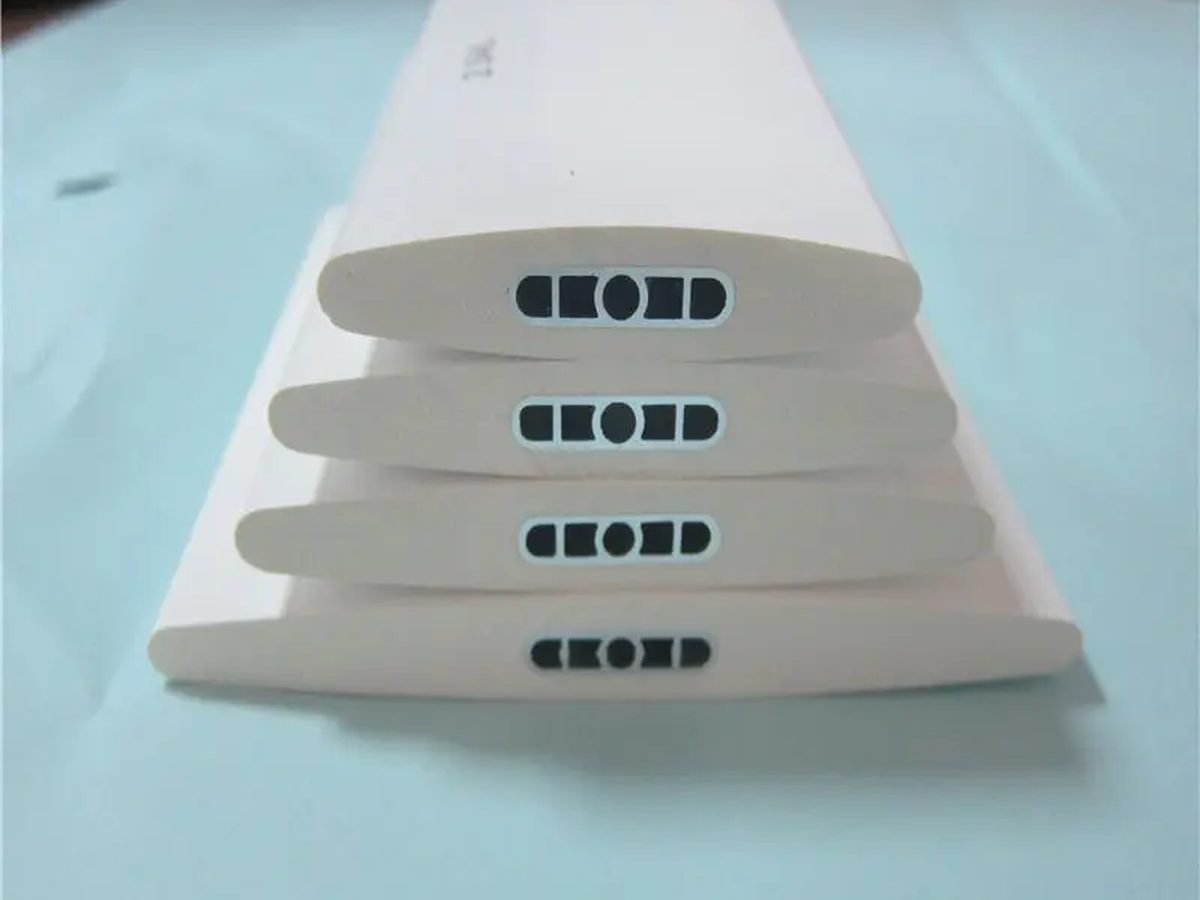
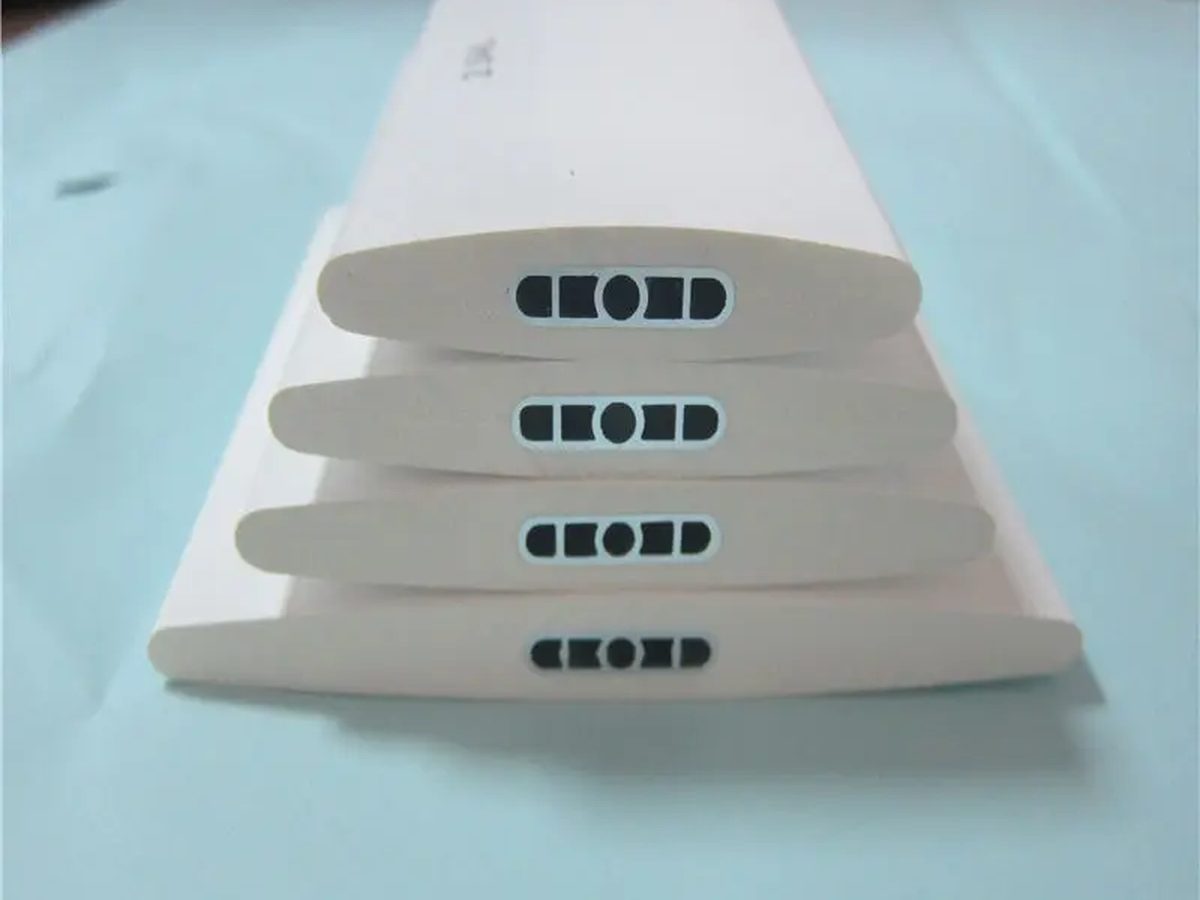
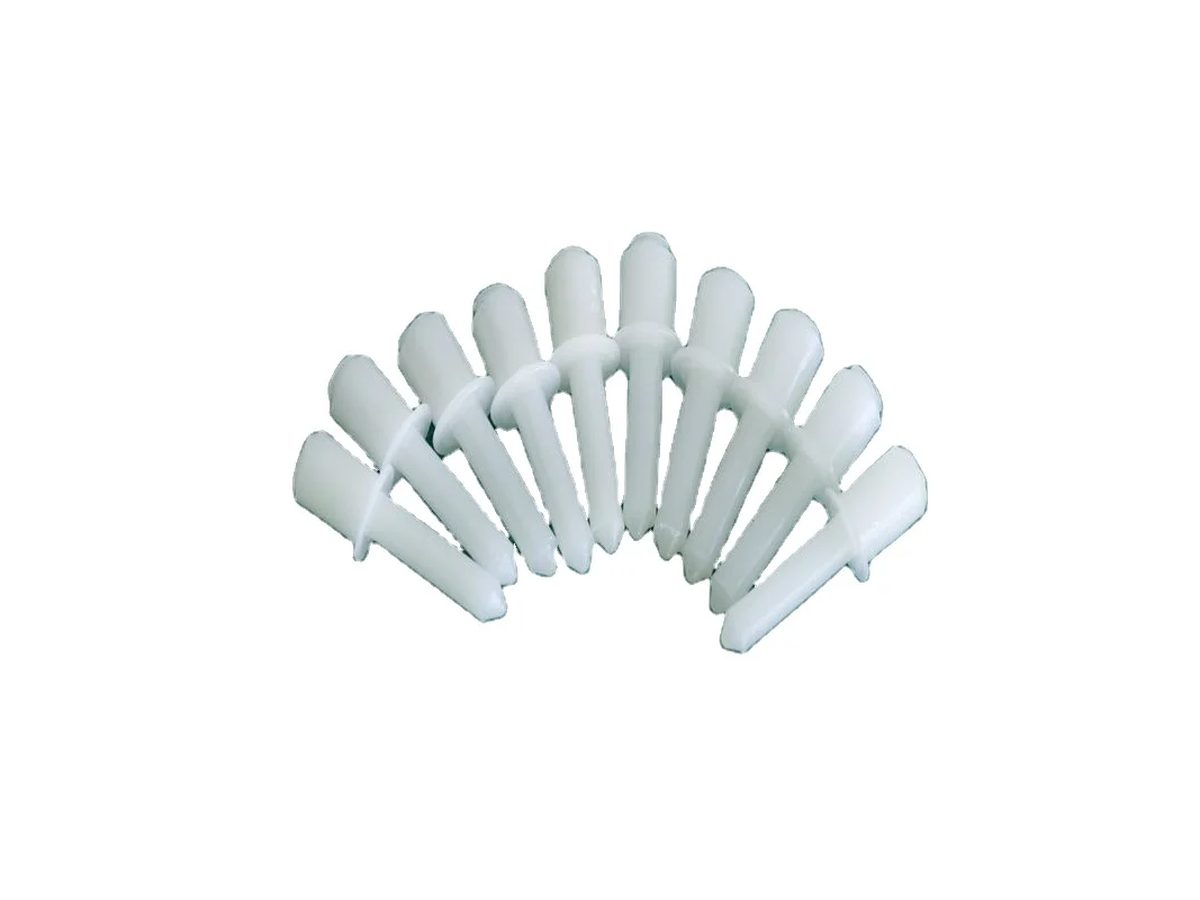
Why it happens. Louver width beyond the material’s stiffness, or too few tilt pins.
How to catch it before you order. Load test at the louver centre; measure deflection.
What to specify instead. Limit louver width by material: 89 mm for basswood, 114 mm only with a reinforced core.
3. Hinge pull-out
What you see. Screws loosen and the panel drops.
Why it happens. Thin frame section or the wrong screw for the material.
How to catch it before you order. Cycle test 10 000 open/close, then check screw torque.
What to specify instead. Reinforced hinge stile and the correct screw; specify cycle testing.
4. Paint bridging
What you see. Louvers stick together after painting.
Why it happens. Paint applied after assembly without clearing the gaps.
How to catch it before you order. Operate every louver through full travel after finishing.
What to specify instead. Paint before assembly or mask the pivot points; 100 % operation check before packing.
Building a test plan you will actually run
| Test | Method | Acceptance |
|---|---|---|
| Light gap | assembly measurement | <= 3 mm |
| Hinge cycles | 10 000 open/close | no torque loss |
| Louver deflection | centre load | <= 2 mm |
| Finish adhesion | cross-hatch | no lift |
| Moisture content (wood) | meter | 8-12 % |
Five tests is enough for a first order. The point is not comprehensiveness, it is that the same five run on every lot, so a change becomes visible. A test nobody repeats is a story, not a control.
Run them on production material, not on a development sample. Ask for the report to carry the lot number and the date, and keep it with the shipment file. When a claim arrives two years later, that file is the difference between a discussion and a write-off.
What the report should contain
- The method, by standard number, not by description.
- The measured value, not only pass or fail. A marginal pass tells you where the risk sits.
- The sampling position: which roll, which metre, which batch.
- The conditioning before testing, because humidity changes several of these results.
- The laboratory name and the date, so the report can be traced.
Specification ranges for shutters are on the product page. If a failure you are seeing is not covered here, send the batch details and photographs — we will tell you what we think caused it, including when the cause is upstream of the material.
Questions buyers ask before ordering
Which louver width should I stock?
89 mm covers 80 % of residential demand. 114 mm is a premium upgrade that needs a deeper frame, so stock it only if you sell design-led projects.
Can shutters be fitted inside a recess?
Yes with an L-frame. Outside the recess with a Z-frame. The measuring method differs and getting it wrong is the most common installation complaint.
What light gap is acceptable?
3 mm or less between panels. Buyers inspect this first, and it is the clearest signal of machining quality.
Seven lines that turn a quotation into a specification
Most post-delivery arguments are not about quality. They are about a document that never said which figure would be measured, on which instrument, at whose cost.
- Frame type (L-frame / Z-frame / deco frame): fix the value per shipment, and state who pays for the re-test if a lot lands outside it.
- Material: basswood / PVC / MDF / hybrid is not an answer on its own. Ask for the last three lots’ actual readings and the spread behind them.
- Panel configuration: agree the test method with the number. Two labs, two methods, two answers, one argument.
- Hinge (hidden / aluminium / stainless): state where in the band this order sits. The middle of the band is not what a tolerance is for.
- Deviation rule: anything outside the agreed bands is reported before shipment, not after arrival.
- Packing and marking: shipping mark, roll or carton count and the tolerance on quantity, since a short shipment is a claim too.
- Who inspects: third-party, in-house or none, decided in advance, with the AQL level written down.
Three questions, and the answers that separate mills
If the claim you are handling is going to be decided on a call, take these three questions into it.
| Question | Answer that should worry you | Answer that holds up |
|---|---|---|
| Which test catches hinge pull-out? | “We have never had a complaint.” | Louver deflection — on the production lot, with the acceptance figure written into the report and not into the email. |
| May I see a report for a lot you shipped last month? | “That is confidential customer information.” | A redacted report, which carries every number that matters and none of the customer’s identity. |
| Where in the basswood / PVC / MDF / hybrid band will this order sit? | “In the middle, normally.” | A stated target and the readings behind it. Material drifting inside the band is how a conforming lot still fails. |
Dealing with a failure now, or trying to avoid one?
Send a window schedule or a single set size and we will return a quotation with the loading plan, the safety standard that applies to your market and the lead time for the colour you need. Catalogue and current price list on request.
Related reading
- Louver width in Plantation shutters
- Panel configuration in Plantation shutters
- What Shutters Really Costs
Catalogue and current price list · Neutral packing and private label · Consolidation, documents and lead times