Buyers argue about panel configuration more than about any other figure in shutters, and they usually argue about the wrong part of it: the number itself rather than the tolerance behind it.
What panel configuration actually controls in shutters
Panel count drives hinge count and light-gap performance.
That makes it a design decision rather than a purchasing one, which is why changing it after the product is fixed costs more than changing the material.
For Plantation shutters, the working range is 1-4 panels per opening. Inside that band the choice is commercial; outside it, the product changes category and so does the price.

What 1-4 panels per opening does not tell you
| Position | Value | Effect on shutters | Where it shows up |
|---|---|---|---|
| Floor | 1 | Lowest cost, least margin for process variation | Paint bridging within a season |
| Working middle | 1-4 panels per opening | Predictable performance at a normal price | Nothing to negotiate, nothing to explain |
| Ceiling | 4 panels per opening | Best performance, highest cost | Cost the end product may not recover |
The middle is where most programmes should sit, and it is the hardest position to defend in a price meeting because it has no story attached to it.
The figure that decides the outcome is not panel configuration itself but the tolerance around it. A supplier who quotes 1-4 panels per opening without a tolerance has not quoted a specification, and the first lot will define the tolerance for you.
How to measure panel configuration
The reference method here is Finish adhesion, run to cross-hatch, with an acceptance of no lift. The method is the easy part; sampling and conditioning are where reports diverge.
Condition the sample before measuring. Results in this family move by 10-20 % between a dry laboratory and a humid one, and two labs can disagree on the same material without either being wrong.
Record the measured value rather than pass or fail. A marginal pass on panel configuration tells you the process is running at the edge, which is the information you need before the next lot rather than after it.
Panel configuration does not stand alone
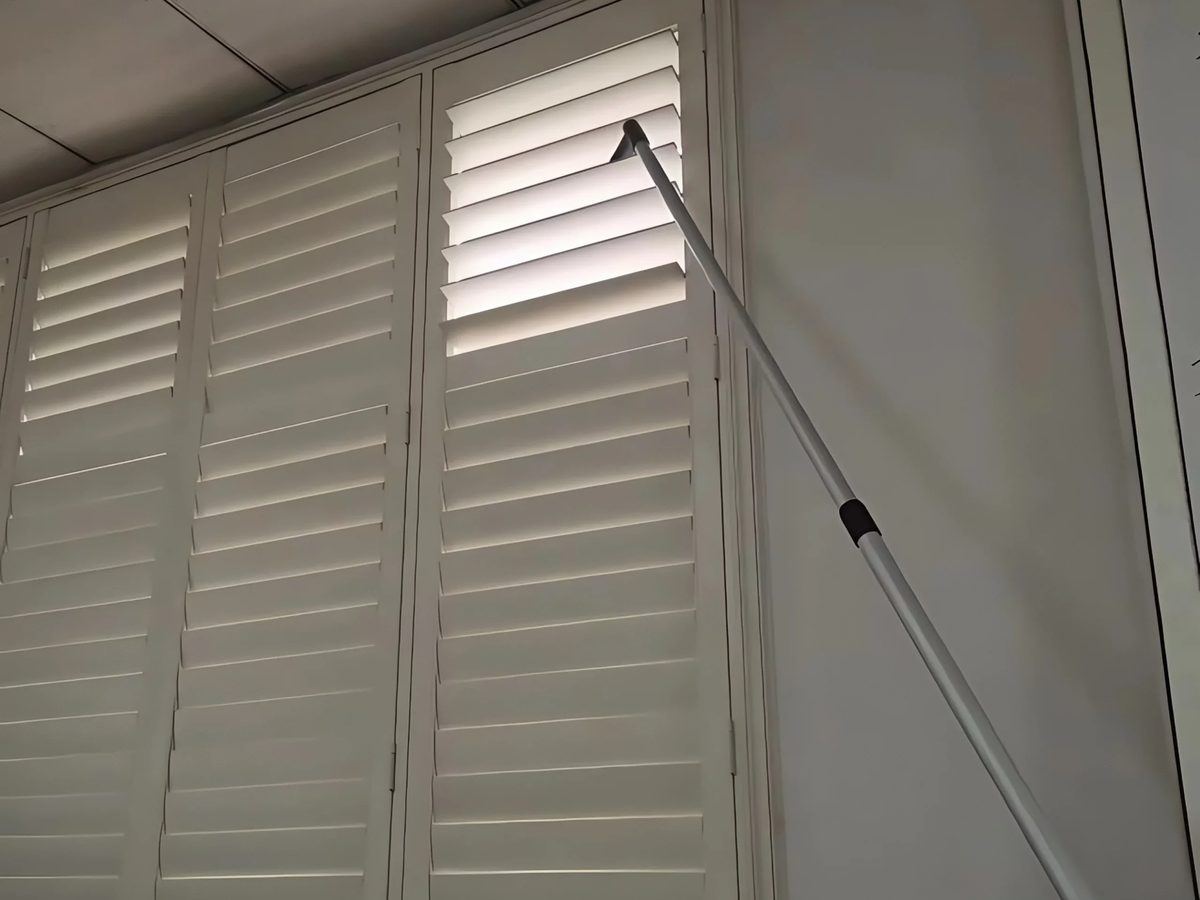
Panel configuration moves with hinge (hidden / aluminium / stainless) and with light gap (<= 3 mm between panels). Tightening one usually costs money in another, and a supplier who accepts every tolerance without comment has either not understood the interaction or is planning to substitute.
When you change panel configuration, re-check the two neighbours before you approve the sample. Most of the samples we re-make are caused by a change in one figure that was not followed through.
The clause to write for panel configuration
The line below is the version we can quote against without inventing anything. Panel configuration appears with a tolerance and a test, not as a standalone number.
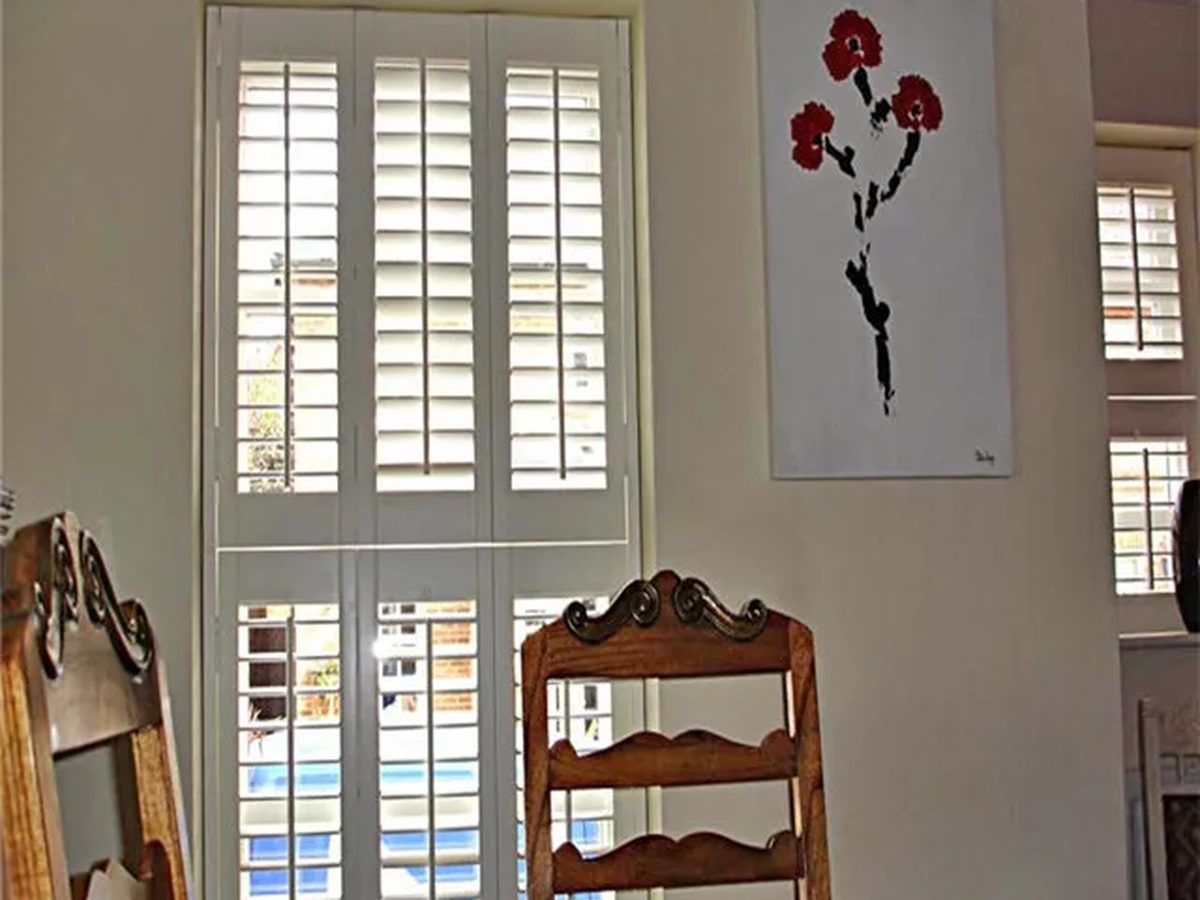
Plantation shutter, basswood, 89 mm louver, L-frame, 3 panels, hidden hinge, light gap <= 3 mm, painted to RAL 9010, moisture content 8-12 %
Write it once and reuse it. The buyers who avoid claims are not stricter than everyone else; they send the same well-written clause every time.
When panel configuration goes wrong
Paint bridging. Louvers stick together after painting.
The cause is usually paint applied after assembly without clearing the gaps.
The test that catches it: Operate every louver through full travel after finishing.
What to specify instead: Paint before assembly or mask the pivot points; 100 % operation check before packing.
The pattern is consistent: the failure appears months after delivery, is hard to attribute, and the cost lands on the buyer. That is the argument for measuring panel configuration on every lot rather than on the development sample.
Four questions about panel configuration, before you order
- What tolerance do you hold on panel configuration, and what did your last three lots measure against it?
- Which method do you use for finish adhesion, and which laboratory signs the report?
- When panel configuration falls outside 1-4 panels per opening, do you rework, downgrade, or ship and hope?
- Which of hinge or light gap would you move first to hit a lower price?
The answers are more useful than a certificate, because they show whether the process is controlled or merely inspected. Full ranges for shutters are on the product page, and the measurement regime is described on the quality control page.
Questions buyers ask before ordering
Do you flat-pack for freight?
Yes, and it saves 30-40 % of container cost. Assembly instructions and hardware are included, and we can pre-hang the hinges if your installer prefers.
Which louver width should I stock?
89 mm covers 80 % of residential demand. 114 mm is a premium upgrade that needs a deeper frame, so stock it only if you sell design-led projects.
Failure modes, and the test that catches each one
A specification only earns its keep if it names the failure it prevents. These are the two that matter for the shutters figures on this page.
| Failure | What triggers it | Test to demand on the production lot |
|---|---|---|
| Paint bridging | Paint applied after assembly without clearing the gaps. | Finish adhesion — cross-hatch; acceptance no lift |
| Visible light gaps | Frame out of square, or panels machined without a jig. | Moisture content (wood) — meter; acceptance 8-12 % |
The other two, with acceptance numbers attached, are in the full failure analysis for shutters. A supplier who cannot name the mode he sees most often is describing a catalogue, not a process.
From quotation to specification in seven lines
Leave the tolerance and the method out and every dispute is settled by whoever needs the goods more.
- Hinge (hidden / aluminium / stainless): name the number, not the word. If the answer only repeats the band, ask which point inside it is being offered for this order.
- Light gap: <= 3 mm between panels is the market band. Fix the figure you will test at goods-in, and the instrument you will test it with.
- Tilt rod (front / hidden / gear-driven): fix the value per shipment, and state who pays for the re-test if a lot lands outside it.
- Finish: painted / stained / primed is not an answer on its own. Ask for the last three lots’ actual readings and the spread behind them.
- Sample retention: one production sample per lot stays with the mill for twelve months. Claims are settled against it, not against memory.
- Test reports: name the standard as well as the test. A pass on a development sample is not a pass on a production lot.
- Deviation rule: anything outside the agreed bands is reported before shipment, not after arrival.
Need panel configuration specified and tested against your end use?
Send a window schedule or a single set size and we will return a quotation with the loading plan, the safety standard that applies to your market and the lead time for the colour you need. Catalogue and current price list on request.
Related reading
Catalogue and current price list · Neutral packing and private label · Consolidation, documents and lead times