The honest answer is that both work, for different programmes. The useful comparison is not which is better but which one fails in a way you can live with.
The short answer
Choose shutters when much cheaper, faster to install. Choose venetian blinds when the priority is less premium, less privacy control, shorter life. If your programme sits between the two, the deciding factor is usually not price but the failure mode you can service: a claim you can fix in the field is cheaper than one that ends the relationship.
Side by side
| Question | shutters | Venetian blinds |
|---|---|---|
| Material | Plantation shutters | Venetian blinds |
| Where it wins | Much cheaper, faster to install | cheaper entry, simpler supply |
| Where it costs you | Less premium, less privacy control, shorter life | see the limits below |
| Typical MOQ | 100-300 panels per finish | often lower, because stock is common |
| Lead time | 30-45 days | usually shorter for stock items |
What shutters actually gives you
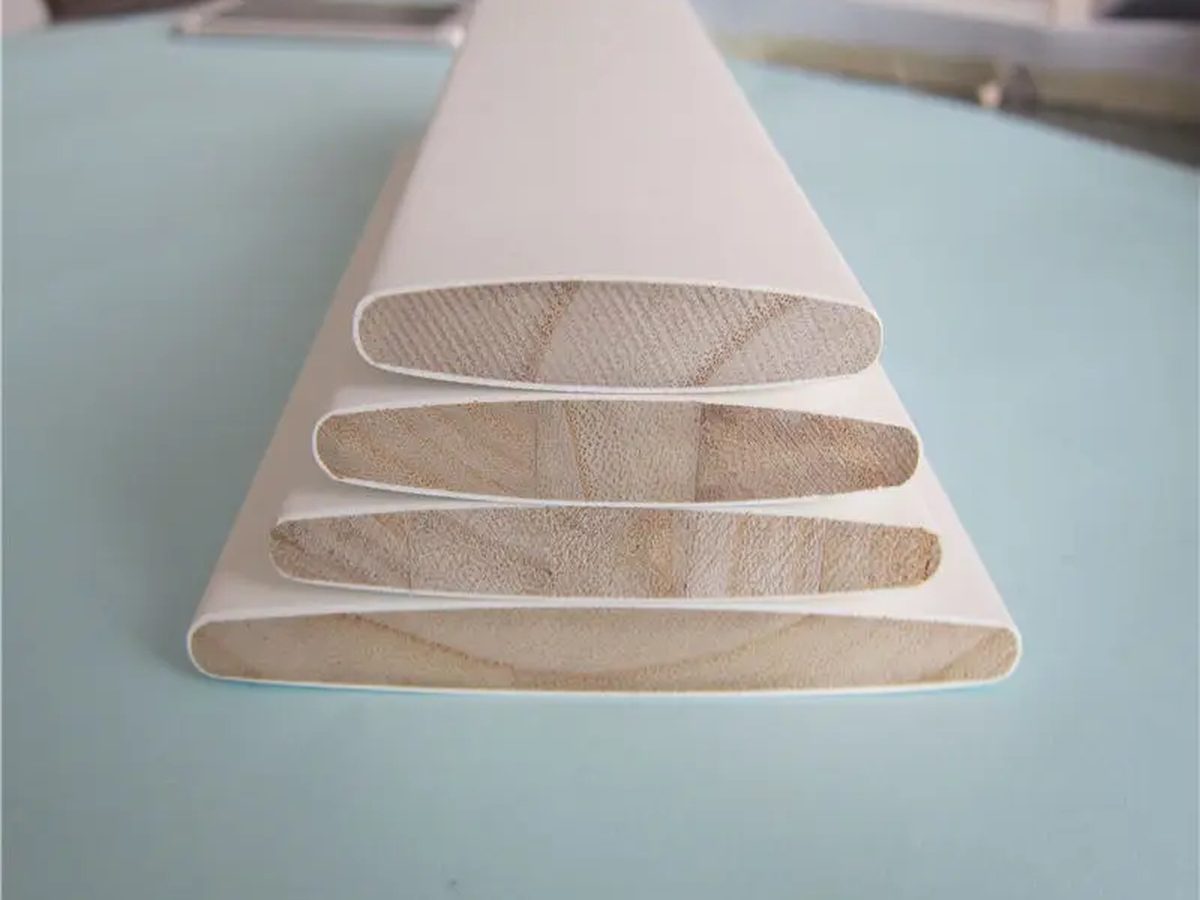
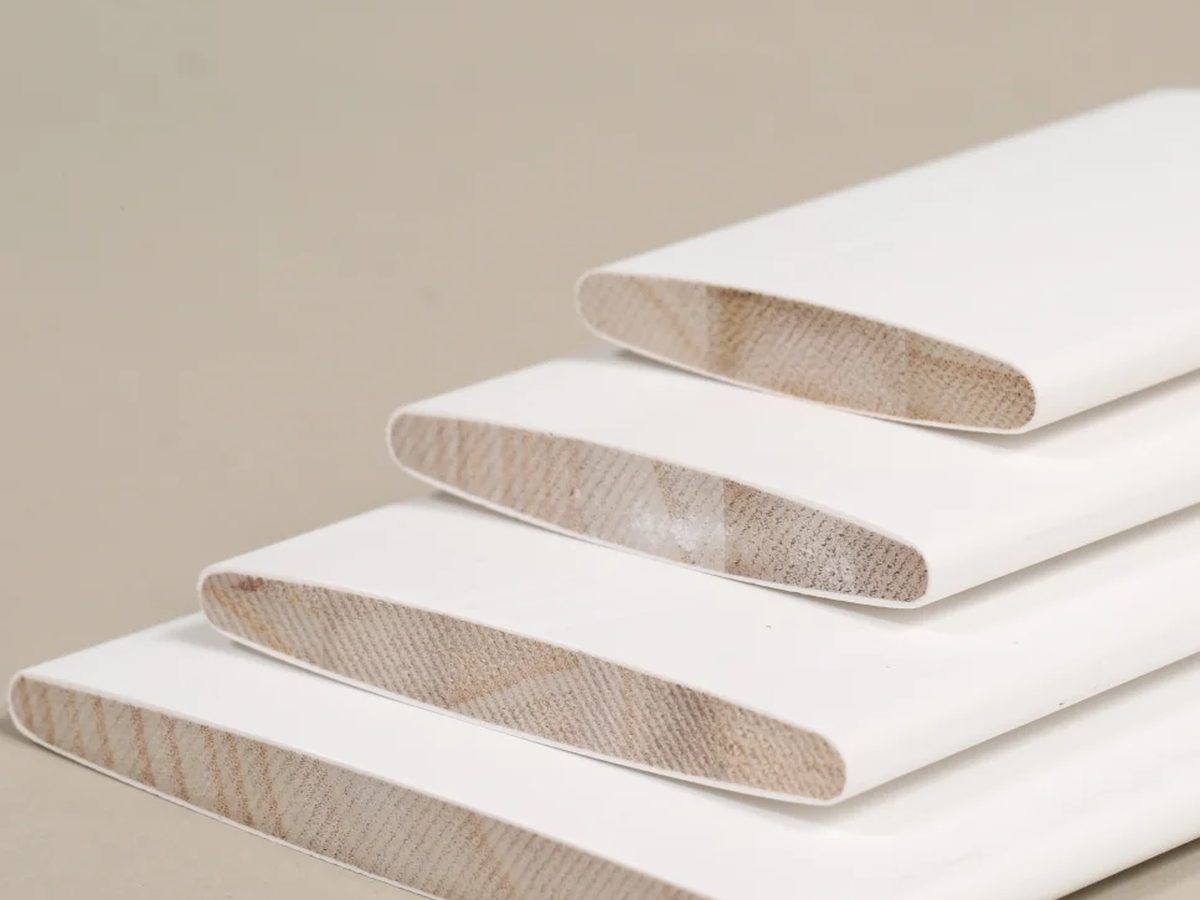
Louver width (63 / 89 / 114 mm). 89 mm is the residential standard; 114 mm reads as premium and needs a deeper frame.
Frame type (L-frame / Z-frame / deco frame). L for inside recess, Z for outside recess with trim coverage.
Material (basswood / PVC / MDF / hybrid). Wood is premium; PVC suits wet rooms; MDF is mid-market.
That combination is why shutters holds the volume position in its category. It is not the cheapest option and it is rarely the most premium; it is the one where the performance is predictable enough to quote a warranty against.
Where venetian blinds wins
Much cheaper, faster to install.
Be specific about which programmes. venetian blinds wins when the order sits below 100-300 panels per finish, when the service life is shorter than the warranty, or when the buyer is testing a market before committing. Paying for material you cannot sell is as much a mistake as saving on a material that will come back.
The cost of choosing wrong
The visible cost difference is the price per unit. The invisible one is the claim rate. Daylight shows through between panels and frame. When that happens, the saving per unit is usually smaller than the cost of one replacement shipment, and the relationship cost is larger than both.
The reverse mistake is also common: specifying shutters for a product that will be replaced in eighteen months. In that case the premium buys nothing the customer can see.
How to decide in one meeting
- Write the service life the end customer expects, and compare it with 30-45 days of production plus transit.
- Write the conditions, then name the one that maps to material.
- Ask both suppliers for light gap on the same sample, with the same method.
- Compare landed cost including the expected claim rate, not the unit price.
- Record the decision and the reason, so a cheaper quote later does not reopen it.
If you want the numbers behind either column, they are on the shutters page and in our category overview.
Questions buyers ask before ordering
Which louver width should I stock?
89 mm covers 80 % of residential demand. 114 mm is a premium upgrade that needs a deeper frame, so stock it only if you sell design-led projects.
Can shutters be fitted inside a recess?
Yes with an L-frame. Outside the recess with a Z-frame. The measuring method differs and getting it wrong is the most common installation complaint.
What light gap is acceptable?
3 mm or less between panels. Buyers inspect this first, and it is the clearest signal of machining quality.
The cost over the life of the product
Unit price is paid once. The other three lines are paid later, and they are the reason two quotes that differ by 20 % can produce the same margin.
| Cost item | shutters | Venetian blinds | Who absorbs it |
|---|---|---|---|
| Unit price | higher | lower | Buyer, at the order |
| Claim rate | low if the spec matches the use | higher if the failure mode hits | Buyer, 6-18 months later |
| Replacement shipment | rare | likely once per programme | Buyer, plus the lost season |
| Customer relationship | protected | at risk | Buyer, permanently |
The arithmetic that matters is not the difference in unit price. It is whether one replacement shipment and one lost season cost more than the premium, and for most programmes they do.
A trial that costs one container, not a season
- Take production samples of both materials, not development samples.
- Run them through the process your factory will use, including the wash or the assembly.
- Test the one failure you cannot accept, on both, with the same method.
- Put the result next to the landed cost, and decide before the range is designed around either.
What shutters and venetian blinds have in common
Both are specified against the same end-use conditions and judged by the same customer, which is why the comparison is closer than the price difference suggests. light control, privacy, property value applies to either, and the test that matters is the one that reproduces it.
Where they diverge is the failure. shutters fails as visible light gaps; venetian blinds fails earlier and more visibly. An early visible failure is cheaper to handle than a late invisible one, even when the material costs more.
Many programmes use both: shutters where the specification is tight, venetian blinds in the range extensions where the price point matters more than the service life. That is legitimate provided the two are not sold under the same description.
Three questions, and the answers that separate mills
If the shutters quotation in front of you is going to be decided on a call, take these three questions into it.
| Question | Answer that should worry you | Answer that holds up |
|---|---|---|
| Which test catches hinge pull-out? | “We have never had a complaint.” | Louver deflection — on the production lot, with the acceptance figure written into the report and not into the email. |
| May I see a report for a lot you shipped last month? | “That is confidential customer information.” | A redacted report, which carries every number that matters and none of the customer’s identity. |
| Where in the basswood / PVC / MDF / hybrid band will this order sit? | “In the middle, normally.” | A stated target and the readings behind it. Material drifting inside the band is how a conforming lot still fails. |
Failure modes, and the test that catches each one
A specification only earns its keep if it names the failure it prevents. These are the two that matter for the shutters quotation in front of you.
| Failure | What triggers it | Test to demand on the production lot |
|---|---|---|
| Louver sag | Louver width beyond the material’s stiffness, or too few tilt pins. | Finish adhesion — cross-hatch; acceptance no lift |
| Hinge pull-out | Thin frame section or the wrong screw for the material. | Moisture content (wood) — meter; acceptance 8-12 % |
The other two, with acceptance numbers attached, are in the full failure analysis for shutters. A supplier who cannot name the mode he sees most often is describing a catalogue, not a process.
Comparing two options for a live programme?
Send a window schedule or a single set size and we will return a quotation with the loading plan, the safety standard that applies to your market and the lead time for the colour you need. Catalogue and current price list on request.
Related reading
Catalogue and current price list · Neutral packing and private label · Consolidation, documents and lead times