A cotton T/C quote 20 % under the cluster has moved one of three things: the yarn count, the thread density, or the inspection line.
Where the money goes in cotton T/C
| Cost line | Share of price | What moves it | Yarn | 50-60 % | Combed versus carded and staple length; this is where pilling is decided | Weaving | 15-20 % | Density and width; wider looms cut cost per metre | Dyeing and finishing | 18-25 % | Sanforising and mercerising both add cost and both prevent claims | Testing | 2-4 % | Cheap against a chargeback for shrinkage | Packing and freight | 6-8 % | Baled rolls, moisture protection for sea freight |
|---|
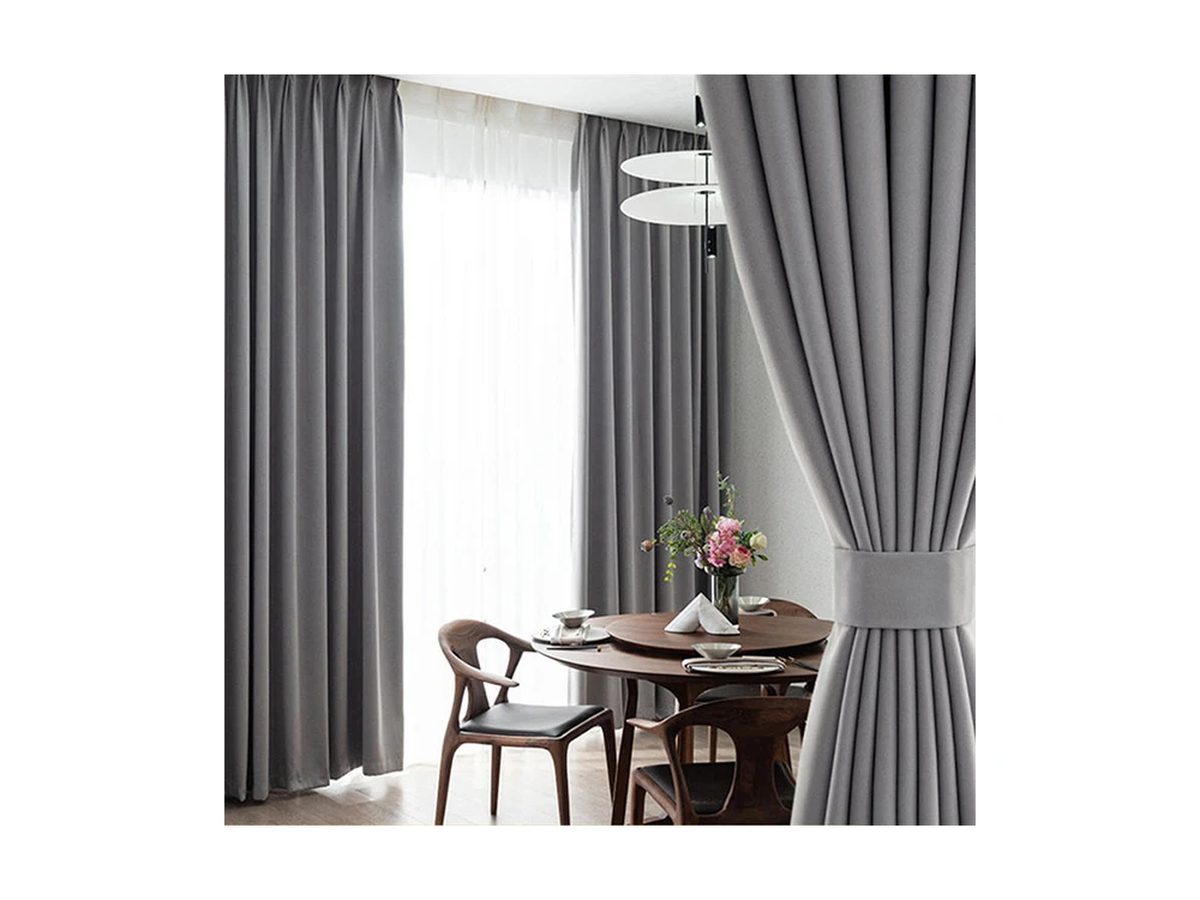
Reading the cotton T/C structure
The smallest line is often the one that protects you: packing and freight at 6-8 %.
Cotton T/C: three levers that actually move the price
Colour count, which is where cotton/T.C cost is really set
The factory cost is driven by setups, not by total metres, and 1000-2000 m per colour is quoted per colour because a colour change resets the process.
Loosening finish, if the product allows it
Finish at mercerised / sanforised / easy-care / FR is usually where a specification has been carried over from another programme without being re-examined.
Timing against a 20-30 days cycle on cotton T/C
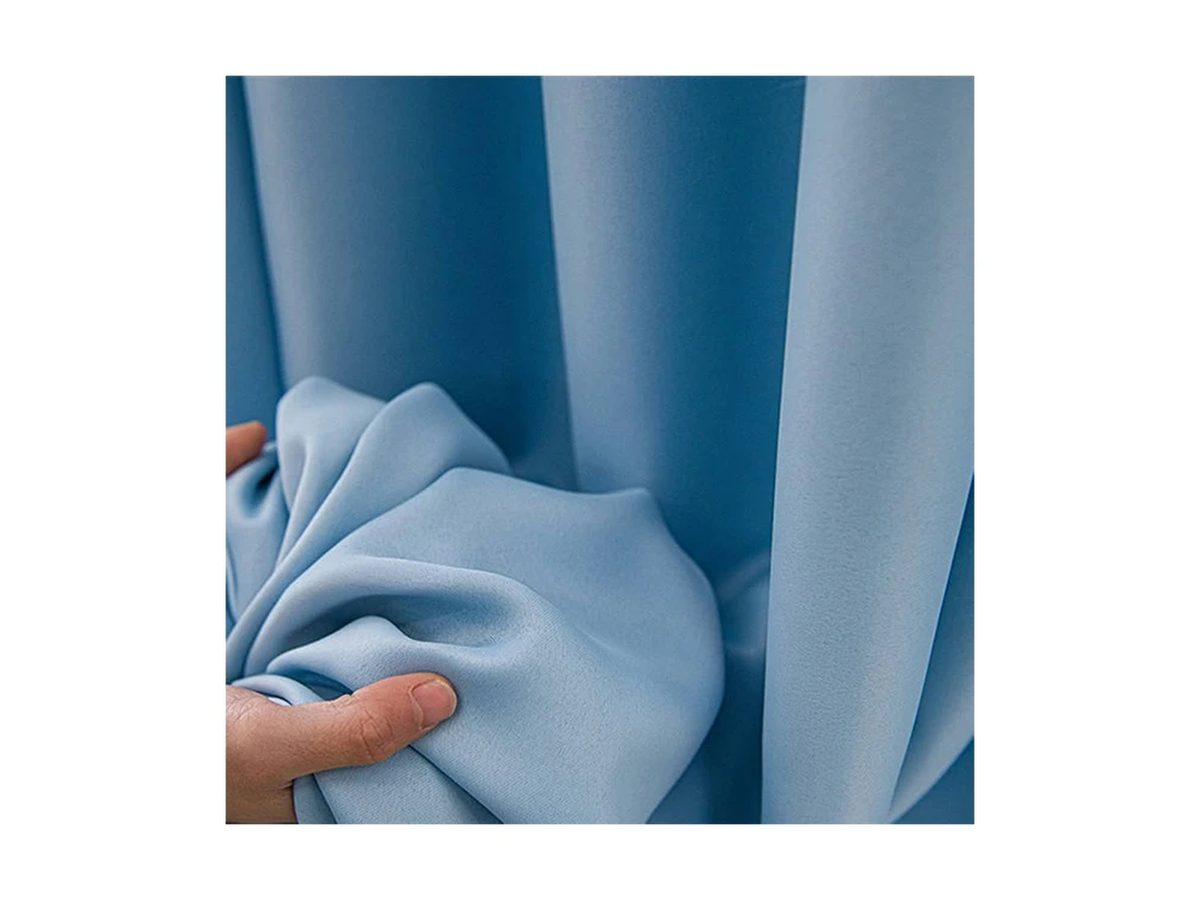
Where cotton T/C savings come back as claims
The cause is no sanforising, or sanforising settings not held between lots.
Cotton T/C: what to ask for in the quotation
- The specification, line by line, against construction and density at the values you asked for.
- The validity period, because the raw material index moves before the price list does On cotton T/C that is composition at 100 % cotton, 65-35 or 80-20 T/C.
- What is included: shrinkage, packing, certification, sample courier.
- The MOQ per colour (1000-2000 m per colour is typical) separately from the order minimum.
- The payment terms and what would change them For cotton and T/C fabric it is yarn count at 16s to 40s that settles it.
Cost detail for the material itself is on the cotton/T.C page; the commercial terms we work to are on the logistics page.
Questions buyers ask before ordering
What happens to tc cost breakdown if we need tolerance tighter than 50-60 %?
On tc cost breakdown, on this item the tolerance sits at 50-60 %.
Is 50-60 % a limit or a typical value for tc cost breakdown?
On tc cost breakdown, if your customer checks tolerance, tell us the figure; 50-60 % is ours, and a tighter one is a different conversation.
What is the actual tolerance behind tc cost breakdown?
On tc cost breakdown, our engineering position on tolerance is 50-60 %; the batch record is what proves it after the sample is gone.
Cotton T/C: reading a quote that looks too low
- Composition 100 % cotton, 65-35 or 80-20 T/C — measured at three positions on the roll, recorded as a number rather than pass or fail On cotton T/C, skipping this is what produces shrinkage on the first industrial wash.
- Yarn count 16s to 40s — cut from the middle of the lot, not from the end of the roll For cotton and T/C fabric, the figure to write down is density at 88×56 to 133×72 threads per inch.
- Density 88×56 to 133×72 threads per inch — read at 23 C / 50 % RH after conditioning, not straight off the machine On cotton T/C that is composition at 100 % cotton, 65-35 or 80-20 T/C.
- Weight 100-250 gsm — checked on production material, at in-process rather than only at pre-shipment For cotton and T/C fabric it is yarn count at 16s to 40s that settles it.
- Shrinkage 3 % pre-shrunk — stated in the purchase order with the test method beside it On cotton T/C, skipping this is what produces shrinkage on the first industrial wash.
- ISO 6330 for washing, ISO 13934-1 for tensile, ISO 105-C06 for colour fastness — run to the method named above; the report travels with the lot For cotton and T/C fabric, the figure to write down is density at 88×56 to 133×72 threads per inch.
Cotton T/C: three concessions that lower the price honestly
- Fewer colours. Setup is per colour, so consolidating shades cuts cost without touching the specification On cotton T/C that is composition at 100 % cotton, 65-35 or 80-20 T/C.
- A longer slot. Four extra weeks lets the factory combine runs; the saving is real and it costs you nothing if the launch date allows it For cotton and T/C fabric it is yarn count at 16s to 40s that settles it.
- Looser non-critical tolerances. A tight figure on finish adds cost and the product does not need it.
The three price bands behind a cotton T/C quotation
A cotton and T/C fabric price is a stack, not a number. Almost all of the spread between offers comes from the yarn count, then the thread density, and only then whether the fabric is sanforised.
| Tier | What changes in cotton and T/C fabric | What it means at composition | Where it shows up | Entry | a lower thread count and no sanforising | composition from 100 % cotton, 65 upward, yarn count from 16s to 40s | shrinkage on the first industrial wash inside the first season | Standard | composition held at 100 % cotton, 65-35 or 80-20 T/C | composition inside 100 % cotton, 65-35 or 80-20 T/C, yarn count inside 16s to 40s | The cotton T/C lot matches the sample | Controlled | whether the fabric is sanforised plus retained samples | density at the top of 88×56 to 133×72 threads per inch, logged per lot | An audit trail a brand customer accepts; measured on composition, 100 % cotton, 65-35 or 80-20 T/C |
|---|
The step from entry to standard on cotton T/C is usually 6-12 %%, and it buys the distance between shrinkage on the first industrial wash and a cotton T/C lot that passes inspection. The step to controlled is smaller in money and larger in paperwork: the thread density on file, per cotton T/C lot, for as long as the warranty runs.
Ask which tier a cotton T/C quotation sits in before comparing it. Two cotton T/C offers that both name composition at 100 % cotton, 65-35 or 80-20 T/C can be compared; two that name only the category cannot.
What a cotton T/C quote below the floor has already removed
A cotton and T/C fabric offer 15 %% under the median is rarely a better deal. The saving is taken from one of four places, and three of them are visible if you ask about composition.
- the yarn count — moved one step down the range, still inside the band, no longer inside what promotional textiles needs.
- the thread density — reduced until the cotton T/C sample still looks right and the fifth lot does not.
- whether the fabric is sanforised — dropped to a standard option that meets the drawing and not the promotional textiles use.
- Inspection and retained samples — the line nobody prices on cotton and T/C fabric, and the first thing a low quote removes.
None of the four shows up as a defect at goods-in on cotton T/C. Shrinkage on the first industrial wash appears at the end user, which is why a claim on a cheap lot is hard to win: the material is inside the written weight band and outside the written use.
The counter is one paragraph in the enquiry: name composition at 100 % cotton, 65-35 or 80-20 T/C, name yarn count at 16s to 40s, and ask which of the four was changed to reach the price.
Want a cotton T/C quotation you can compare line by line?
Tell us the yarn count and the annual volume. The quotation comes back with the tolerance band, the MOQ per colour, and the test standard named against each figure.
Products in this range
Related reading
- Oxford fabric Specification: What Each Number Actually Changes
- Inspecting Textile and Window Covering: Checkpoints, AQL and the Defects That Matter
- Non-Woven Fabric Guide: Spunbond, Spunlace and What GSM Really Tells You
Sample cut with your values on it · Neutral packing and private label · Consolidation, documents and lead times