On non-woven, which process the line runs sets the floor of the price and the gsm sets the ceiling; the unit price is what is left after both.
Where the money goes in non-woven
| Cost line | Share of price | What moves it | Polymer | 55-65 % | PP resin price tracks oil; virgin versus recycled is a visible cost step | Forming and bonding | 15-20 % | Line speed sets cost per tonne more than labour does | Additives (UV, hydrophilic) | 5-10 % | Masterbatch choice decides whether the UV claim survives a season | Dyeing or masterbatch colour | 5-12 % | Solution dyeing costs more and holds far better | Packing and freight | 8-12 % | Non-woven is bulky; compression and roll width drive container cost |
|---|
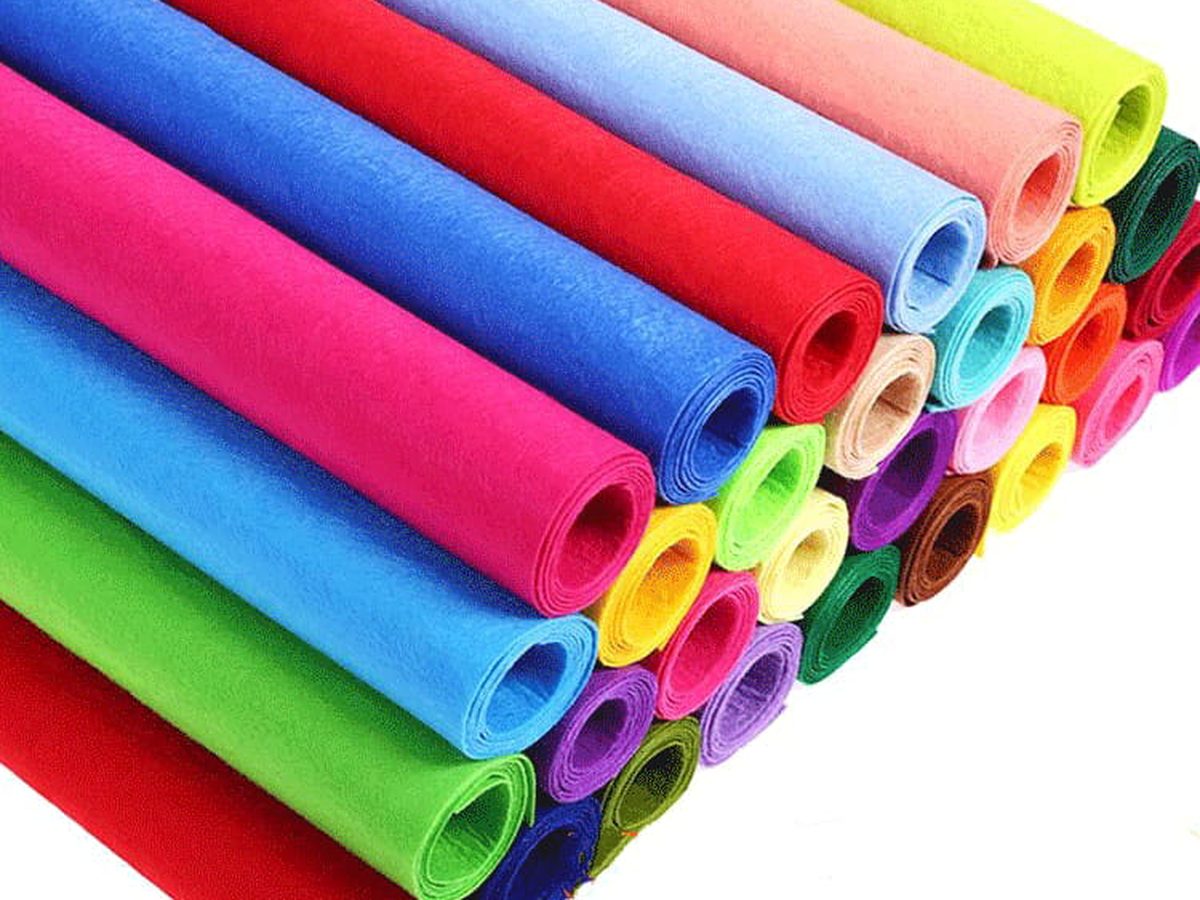
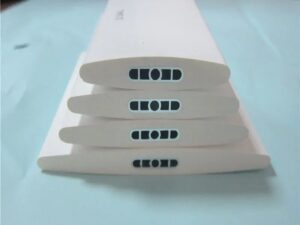
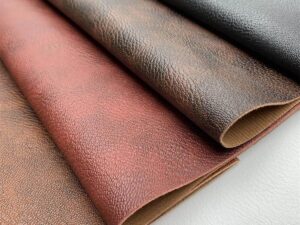
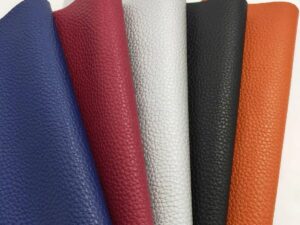
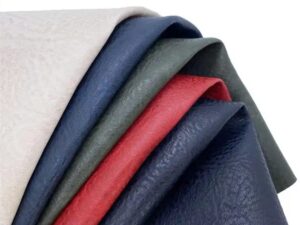
Reading the non-woven structure
The smallest line is often the one that protects you: packing and freight at 8-12 %.
Non-woven: three levers that actually move the price
Colour count, which is where non-woven cost is really set
The factory cost is driven by setups, not by total metres, and 1000-2000 kg per colour is quoted per colour because a colour change resets the process.
Loosening hand, if the product allows it
Hand at soft / crisp / embossed is usually where a specification has been carried over from another programme without being re-examined.
Timing against a 15-20 days cycle
Production slots matter. A 15-20 days cycle can usually be met; a two-week expedite usually cannot, and when it is accepted the cost appears as overtime and air freight rather than in the unit price.
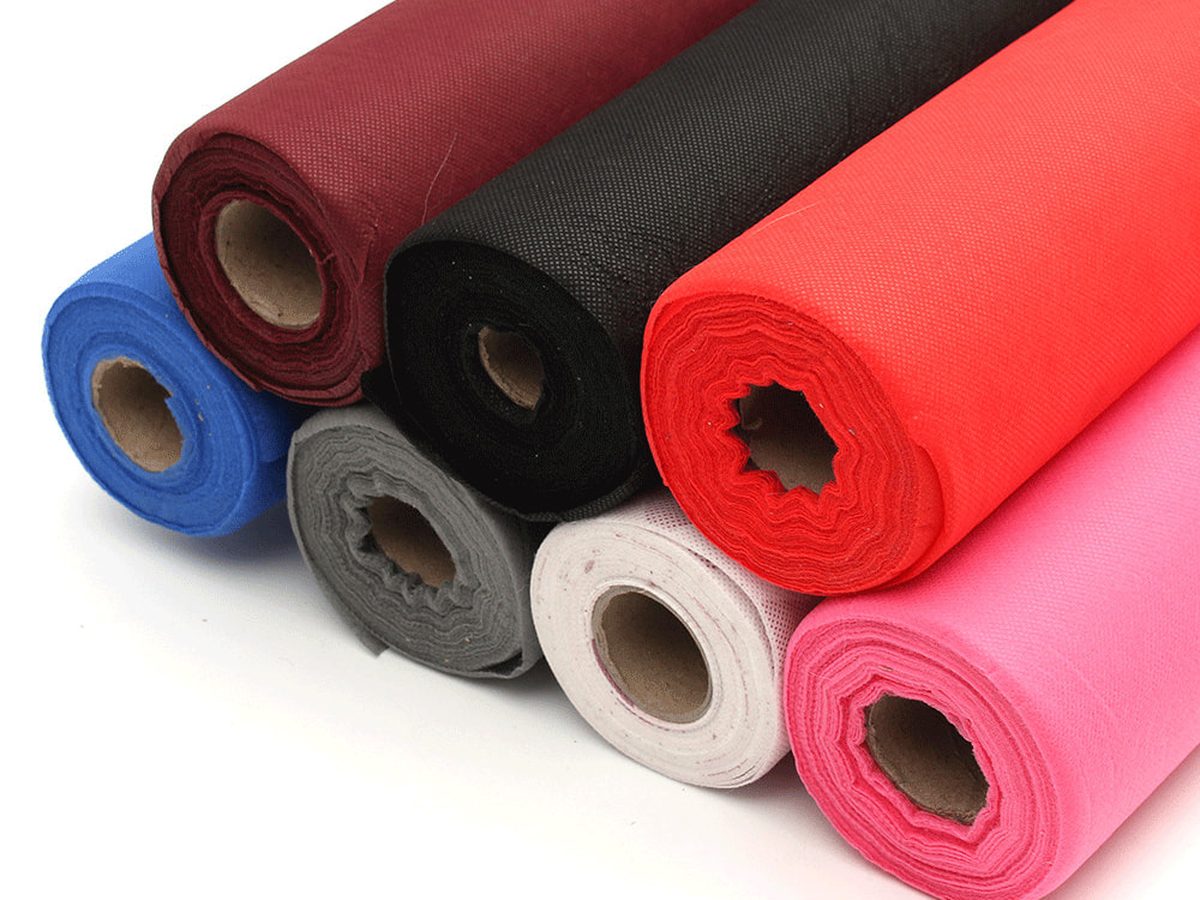
Where non-woven savings come back as claims
The cause is fibre orientation biased to machine direction, typical of cheap spunbond.
Non-woven: what to ask for in the quotation
- The specification, line by line, against tensile strength and elongation at the values you asked for.
- The validity period, because the raw material index moves before the price list does On non-woven that is process at spunbond, spunlace, needle punch or SMS.
- What is included: mass per unit area, packing, certification, sample courier.
- The MOQ per colour (1000-2000 kg per colour is typical) separately from the order minimum.
- The payment terms and what would change them For non-woven fabric it is weight at 15-200 gsm that settles it.
Cost detail for the material itself is on the non-woven page; the commercial terms we work to are on the logistics page.
Questions buyers ask before ordering
What is the actual tolerance behind cost breakdown?
On cost breakdown, we quote 55-65 % and test to third-party report.
Can you hold tolerance at 55-65 % for cost breakdown on a repeat order?
On cost breakdown, set 55-65 % as the acceptance figure.
What drives the price of cost breakdown at tolerance of 55-65 %?
On cost breakdown, the answer is 55-65 %, and the reason is the heat setting.
Non-woven: reading a quote that looks too low
- Process spunbond, spunlace, needle punch or SMS — measured at three positions on the roll, recorded as a number rather than pass or fail On non-woven, skipping this is what produces cross-direction tear at the seam.
- Weight 15-200 gsm — cut from the middle of the lot, not from the end of the roll For non-woven fabric, the figure to write down is tensile strength at 20-60 N/5 cm in MD.
- Tensile strength 20-60 N/5 cm in MD — read at 23 C / 50 % RH after conditioning, not straight off the machine On non-woven that is process at spunbond, spunlace, needle punch or SMS.
- Elongation 20-80 % — checked on production material, at in-process rather than only at pre-shipment For non-woven fabric it is weight at 15-200 gsm that settles it.
- Width 160-320 cm — stated in the purchase order with the test method beside it On non-woven, skipping this is what produces cross-direction tear at the seam.
- ISO 9073-3 for tensile, ISO 9073-4 for tear, EN 29073 for mass per unit area — run to the method named above; the report travels with the lot For non-woven fabric, the figure to write down is tensile strength at 20-60 N/5 cm in MD.
Non-woven: three concessions that lower the price honestly
- Fewer colours. Setup is per colour, so consolidating shades cuts cost without touching the specification On non-woven that is process at spunbond, spunlace, needle punch or SMS.
- A longer slot. Four extra weeks lets the factory combine runs; the saving is real and it costs you nothing if the launch date allows it For non-woven fabric it is weight at 15-200 gsm that settles it.
- Looser non-critical tolerances. A tight figure on hand adds cost and the product does not need it.
The three price bands behind a non-woven quotation
A non-woven fabric price is a stack, not a number. Almost all of the spread between offers comes from which process the line runs, then the gsm, and only then whether the finish is hydrophilic or hydrophobic.
| Tier | What changes in non-woven fabric | What it means at process | Where it shows up | Entry | a lighter gsm and a spunbond where spunlace was specified | process from spunbond, spunlace, needle punch or SMS upward, weight from 15 | cross-direction tear at the seam inside the first season | Standard | process held at spunbond, spunlace, needle punch or SMS | process inside spunbond, spunlace, needle punch or SMS, weight inside 15-200 gsm | The non-woven lot matches the sample | Controlled | whether the finish is hydrophilic or hydrophobic plus retained samples | tensile strength at the top of 20-60 N/5 cm in MD, logged per lot | An audit trail a brand customer accepts; measured on process, spunbond, spunlace, needle punch or SMS |
|---|
The step from entry to standard on non-woven is usually 6-12 %%, and it buys the distance between cross-direction tear at the seam and a non-woven lot that passes inspection. The step to controlled is smaller in money and larger in paperwork: the gsm on file, per non-woven lot, for as long as the warranty runs.
Ask which tier a non-woven quotation sits in before comparing it. Two non-woven offers that both name process at spunbond, spunlace, needle punch or SMS can be compared; two that name only the category cannot.
What a non-woven quote below the floor has already removed
A non-woven fabric offer 15 %% under the median is rarely a better deal. The saving is taken from one of four places, and three of them are visible if you ask about process.
- which process the line runs — moved one step down the range, still inside the band, no longer inside what automotive trim needs.
- the gsm — reduced until the non-woven sample still looks right and the fifth lot does not.
- whether the finish is hydrophilic or hydrophobic — dropped to a standard option that meets the drawing and not the automotive trim use.
- Inspection and retained samples — the line nobody prices on non-woven fabric, and the first thing a low quote removes.
None of the four shows up as a defect at goods-in on non-woven. Cross-direction tear at the seam appears at the end user, which is why a claim on a cheap lot is hard to win: the material is inside the written elongation band and outside the written use.
The counter is one paragraph in the enquiry: name process at spunbond, spunlace, needle punch or SMS, name weight at 15-200 gsm, and ask which of the four was changed to reach the price.
Building a non-woven specification?
Send what you have — process, weight, target market. We reply with the band we would hold and the two parameters we would test before the first bulk run.
Products in this range
Related reading
- Medical and hygiene products: Materials, Specifications and Failure Risks
- MOQ and Lead Time in Textile and Window Covering: How the Numbers Are Actually Built
- 3D Mesh Fabric Buying Guide: Thickness, Weight and What Actually Fails
Sample cut with your values on it · Neutral packing and private label · Consolidation, documents and lead times