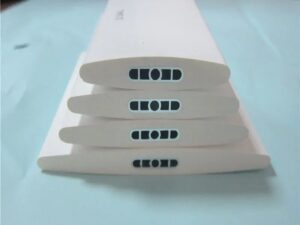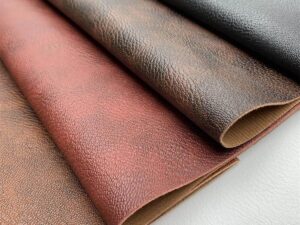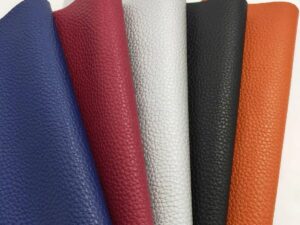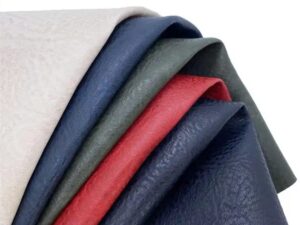
The process figure gets specified to two decimal places; weight at 15-200 gsm is the one that decides whether the lot is usable.
Non-woven: why the headline number is the least useful one
Every quotation leads with process. But it tells you almost nothing on its own: process sets the frame, and the parameters below set whether the product survives its first year in service.
For non-woven, the practical rule is to fix the headline figure at the level your product needs and then spend your negotiating attention on tensile strength and elongation.
The non-woven numbers that decide performance
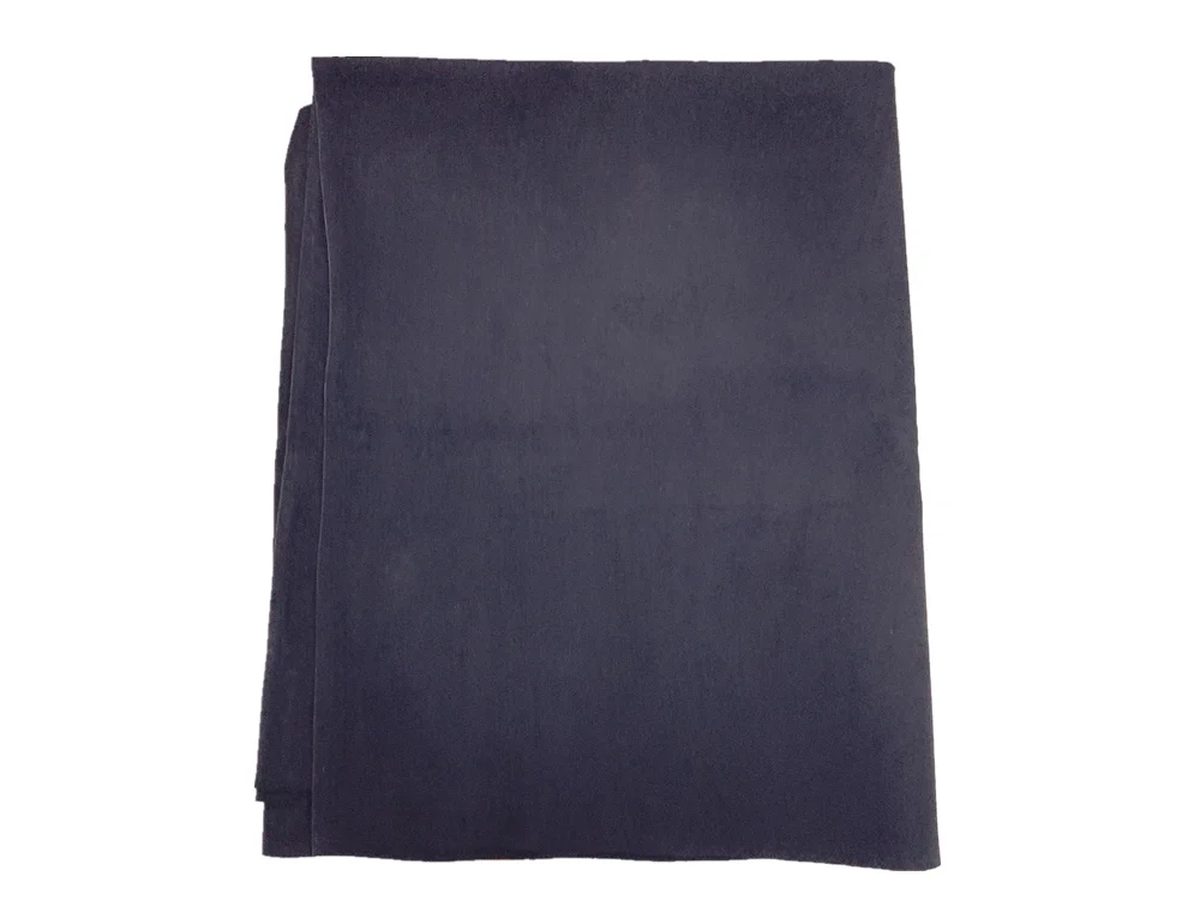
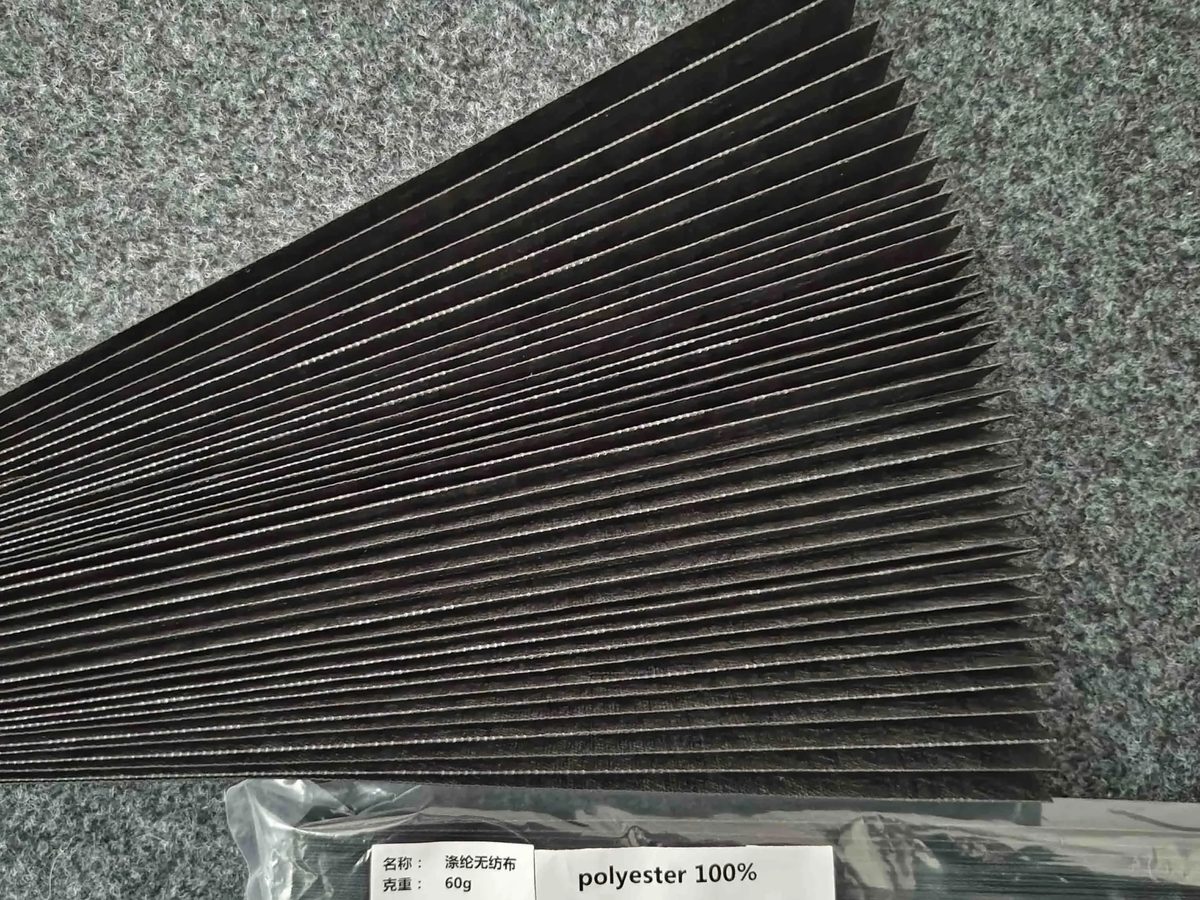
| Parameter | Typical range | What it changes | Process | spunbond / spunlace / needle punch / SMS | Determines strength, softness and whether the edges fray. | Weight | 15-200 gsm | Cost driver and the only figure most buyers compare. | Tensile strength | MD 20-60 N/5 cm | Direction matters: CD strength is usually half of MD and fails first. | Elongation | 20-80 % | Low elongation is brittle; high elongation bags out. | Width | 160-320 cm | Wide goods reduce seams on covers and bags. | Hydrophilic / hydrophobic | specified, not assumed | A ‘breathable’ claim usually depends on this treatment. | Colour fastness | >= grade 3-4 | Solution-dyed holds better than surface-dyed at low gsm. | Hand | soft / crisp / embossed | Spunlace is softest; spunbond is crisper and stronger. |
|---|
Process
Typical range: spunbond / spunlace / needle punch / SMS . Determines strength, softness and whether the edges fray.
Weight
Typical range: 15-200 gsm . Cost driver and the only figure most buyers compare.
Tensile strength
Typical range: MD 20-60 N/5 cm . Direction matters: CD strength is usually half of MD and fails first.
Elongation
Typical range: 20-80 % . Low elongation is brittle; high elongation bags out.
Width
Typical range: 160-320 cm . Wide goods reduce seams on covers and bags.
Elongation: range, tolerance and the clause
What 20-80 % does not tell you
| Position | Value | Effect on non-woven | Where it shows up | Floor | 20 | Lowest cost, least margin for process variation; measured on process, spunbond, spunlace, needle punch or SMS | Edge fraying within a season | Working middle | 20-80 % | Predictable performance at a normal price; held at process, spunbond, spunlace, needle punch or SMS | Nothing to negotiate, nothing to explain; read against process, spunbond, spunlace, needle punch or SMS | Ceiling | 80 % | Best performance, highest cost; written as process spunbond, spunlace, needle punch or SMS | Cost the end product may not recover; measured on process, spunbond, spunlace, needle punch or SMS |
|---|
The figure that decides the outcome is not elongation itself but the tolerance around it. A supplier who quotes 20-80 % without a tolerance has not quoted a specification, and the first lot will define the tolerance for you.
How to measure elongation
The reference method here is Tear resistance , run to ISO 9073-4, with an acceptance of report.
Ask which instrument was used. For elongation, two instruments that both claim the same standard can differ by enough to move a marginal lot from pass to fail.
A marginal pass on elongation tells you the process is running at the edge, which is the information you need before the next lot rather than after it.
The clause to write for elongation
Elongation appears with a tolerance and a test, not as a standalone number.
Width: range, tolerance and the clause
The number is easy to quote and hard to hold, and the difference between those two things is what you are actually buying.
What 160-320 cm does not tell you
| Position | Value | Effect on non-woven | Where it shows up | Floor | 160 | Lowest cost, least margin for process variation; held at process, spunbond, spunlace, needle punch or SMS | Low CD strength within a season | Working middle | 160-320 cm | Predictable performance at a normal price; read against process, spunbond, spunlace, needle punch or SMS | Nothing to negotiate, nothing to explain; written as process spunbond, spunlace, needle punch or SMS | Ceiling | 320 cm | Best performance, highest cost; measured on process, spunbond, spunlace, needle punch or SMS | Cost the end product may not recover; held at process, spunbond, spunlace, needle punch or SMS |
|---|
The figure that decides the outcome is not width itself but the tolerance around it. A supplier who quotes 160-320 cm without a tolerance has not quoted a specification, and the first lot will define the tolerance for you.
How to measure width
The reference method here is Colour fastness to rubbing , run to ISO 105-X12, with an acceptance of >= grade 3-4.
A marginal pass on width tells you the process is running at the edge, which is the information you need before the next lot rather than after it.
The clause to write for width
Width appears with a tolerance and a test, not as a standalone number.
Weight on non-woven: range, tolerance and the clause

What 15-200 gsm does not tell you
| Position | Value | Effect on non-woven | Where it shows up | Floor | 15 | Lowest cost, least margin for process variation; read against process, spunbond, spunlace, needle punch or SMS | Weight shortfall within a season | Working middle | 15-200 gsm | Predictable performance at a normal price; written as process spunbond, spunlace, needle punch or SMS | Nothing to negotiate, nothing to explain; measured on process, spunbond, spunlace, needle punch or SMS | Ceiling | 200 gsm | Best performance, highest cost; held at process, spunbond, spunlace, needle punch or SMS | Cost the end product may not recover; read against process, spunbond, spunlace, needle punch or SMS |
|---|
A supplier who quotes 15-200 gsm without a tolerance has not quoted a specification, and the first lot will define the tolerance for you.
How to measure weight on non-woven
The reference method here is Tensile strength , run to ISO 9073-3, with an acceptance of MD >= 20 N/5 cm, CD >= 12 N/5 cm.
Ask which instrument was used. For weight, two instruments that both claim the same standard can differ by enough to move a marginal lot from pass to fail.
The clause to write for weight on non-woven
Tensile strength: range, tolerance and the clause
For Non-woven fabric, the working range is MD 20-60 N/5 cm .

What MD 20-60 N/5 cm does not tell you
| Position | Value | Effect on non-woven | Where it shows up | Floor | MD 20 | Lowest cost, least margin for process variation; written as process spunbond, spunlace, needle punch or SMS | Colour lot variation within a season | Working middle | MD 20-60 N/5 cm | Predictable performance at a normal price; measured on process, spunbond, spunlace, needle punch or SMS | Nothing to negotiate, nothing to explain; held at process, spunbond, spunlace, needle punch or SMS | Ceiling | 60 N/5 cm | Best performance, highest cost; read against process, spunbond, spunlace, needle punch or SMS | Cost the end product may not recover; written as process spunbond, spunlace, needle punch or SMS |
|---|
The figure that decides the outcome is not tensile strength itself but the tolerance around it. A supplier who quotes MD 20-60 N/5 cm without a tolerance has not quoted a specification, and the first lot will define the tolerance for you.
How to measure tensile strength
The reference method here is Elongation , run to ISO 9073-3, with an acceptance of report MD and CD.
A marginal pass on tensile strength tells you the process is running at the edge, which is the information you need before the next lot rather than after it.
The clause to write for tensile strength
Tensile strength appears with a tolerance and a test, not as a standalone number.
Process: range, tolerance and the clause
It also explains why process is the first line a buyer loosens and the last line a claim refers to.
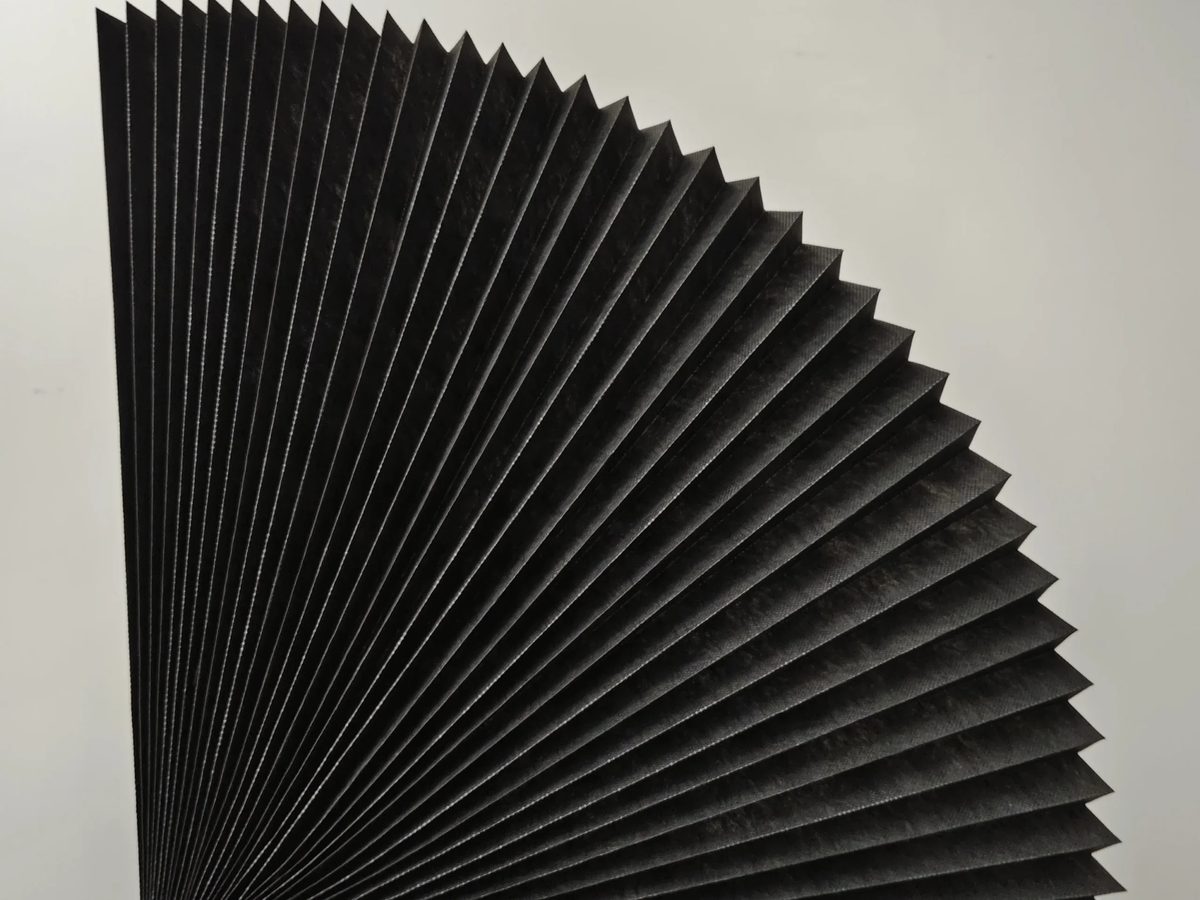
For Non-woven fabric, the working range is spunbond / spunlace / needle punch / SMS .
How to choose a process option
| Option | What it changes in non-woven | When it is the right choice | spunbond | Low CD strength is where it usually ends up. | Cost-led programmes with a short service life; measured on process, spunbond, spunlace, needle punch or SMS | needle punch | The volume middle: enough margin for process variation without paying for headroom the end product cannot use; held at process, spunbond, spunlace, needle punch or SMS | Most repeat programmes, and the safest default; read against process, spunbond, spunlace, needle punch or SMS | SMS | The top of the family, where the process is controlled tightly enough to guarantee it; written as process spunbond, spunlace, needle punch or SMS | A warranty, a tender, or a specification that cannot be renegotiated; measured on process, spunbond, spunlace, needle punch or SMS |
|---|
Process is chosen by the application rather than by price, and a supplier who quotes one option as if it were interchangeable with another is quoting a different product.
The figure that decides the outcome is not process itself but the tolerance around it. A supplier who quotes spunbond / spunlace / needle punch / SMS without a tolerance has not quoted a specification, and the first lot will define the tolerance for you.
How to measure process
The reference method here is Mass per unit area , run to ISO 9073-1, with an acceptance of +/- 5 % of nominal.
A single sample from the top of a roll tells you about the top of that roll, and process varies more across a run than most buyers expect.
A marginal pass on process tells you the process is running at the edge, which is the information you need before the next lot rather than after it.
The clause to write for process
Process appears with a tolerance and a test, not as a standalone number.
Polypropylene spunbond, 80 gsm +/- 5 %, 160 cm, MD tensile >= 30 N/5 cm, CD >= 18 N/5 cm, UV stabilised, Pantone 19-3906 TCX
How to write a non-woven specification that protects you
For non-woven, the clause has to pin tensile strength and elongation, because those two separate a compliant lot from an adequate one:
Polypropylene spunbond, 80 gsm +/- 5 %, 160 cm, MD tensile >= 30 N/5 cm, CD >= 18 N/5 cm, UV stabilised, Pantone 19-3906 TCX

Non-woven: where the specification usually breaks down
The first failure is low cd strength . Material tears across the roll when pulled or sewn. The cause is usually fibre orientation biased to machine direction, typical of cheap spunbond. The test that exposes it before you order: Tensile MD and CD per ISO 9073-3; require both figures.
The second is weight shortfall . The roll weighs less than ordered and the cover feels thin. It comes from nominal gsm quoted from the line setting, not the delivered goods. Test with ISO 9073-1 mass per unit area on three samples per lot.
What to put in a non-woven enquiry
- End use and the conditions, which together decide where tensile strength has to sit inside MD 20-60 N/5 cm.
- The one figure that must hold, with mass per unit area named as the proof.
- Quantity per colour and per delivery, against a typical MOQ of 1000-2000 kg per colour.
- Destination market, because compliance changes the construction, not just the paperwork On non-woven that is process at spunbond, spunlace, needle punch or SMS.
- A physical standard viewed under a stated light source, not a screen proof For non-woven fabric it is weight at 15-200 gsm that settles it.
Full ranges sit on the non-woven page , and the manufacturing side of the same question is on our quality control page .
Questions buyers ask before ordering
Is 15-200 gsm achievable at our volume on specification explained?
On specification explained, our standard is 15-200 gsm, verified by lab certificate.
How do you verify tolerance against 15-200 gsm on specification explained?
On specification explained, the number to quote is 15-200 gsm.
Is 15-200 gsm achievable at our volume on specification explained?
On specification explained, we hold 15-200 gsm.
Non-woven: failure modes worth a clause in the purchase order
| Failure | What triggers it | Test to demand on the production lot | Low CD strength | Fibre orientation biased to machine direction, typical of cheap spunbond. | Mass per unit area — ISO 9073-1; acceptance +/- 5 % of nominal; held at process, spunbond, spunlace, needle punch or SMS | Weight shortfall | Nominal gsm quoted from the line setting, not the delivered goods; read against process, spunbond, spunlace, needle punch or SMS | Tensile strength — ISO 9073-3; acceptance MD >= 20 N/5 cm, CD >= 12 N/5 cm; written as process spunbond, spunlace, needle punch or SMS |
|---|
The other two, with acceptance numbers attached, are in the full failure analysis for non-woven .
Does your specification explained spec name 15-200 gsm, or only the category?
For specification explained, send 15-200 gsm with order volume and destination market; the reply states the band we hold, the price at that volume and the test report.
Related reading
- Non-Woven for Automotive trimPromotional and retail bags
- Non-woven fabric: Four Failures Buyers Report, and the Tests That Catc
Sample cut with your values on it · Neutral packing and private label · Consolidation, documents and lead times