The same swimwear fabric article, quoted by two mills, can differ by 18 % on composition alone — and both quotes are honest.
Swimwear fabric: why the headline number is the least useful one
Every quotation leads with composition. But it tells you almost nothing on its own: composition sets the frame, and the parameters below set whether the product survives its first year in service.
For swimwear fabric, the practical rule is to fix the headline figure at the level your product needs and then spend your negotiating attention on stretch and stretch recovery.

The swimwear fabric numbers that decide performance
| Parameter | Typical range | What it changes | Composition | 80/20 or 78/22 nylon/spandex; polyester/spandex | Nylon feels better and dyes deeper; polyester survives chlorine and price pressure better. | Weight | 180-260 gsm | Coverage and opacity. Under 190 gsm, light colours need a lining. | Stretch | 4-way, 80-120 % elongation | Two-way stretch is cheaper and wrong for a one-piece. | Stretch recovery | >= 90 % after 5 cycles | Bagging at knees and seat is a recovery failure, not a fit failure. | Chlorine resistance | >= 80 % retained elongation after 50 h | The specification that separates pool swimwear from resort wear. | UPF | UPF 50+ | Depends on cover factor and colour depth; white cannot reach it without a finish. | Colour fastness to chlorinated water | >= grade 4 | The test most often skipped and most often claimed. | Lining | optional bonded or separate | Bonded lining adds cost and removes show-through risk. |
|---|
Composition
Typical range: 80/20 or 78/22 nylon/spandex; polyester/spandex. Nylon feels better and dyes deeper; polyester survives chlorine and price pressure better.
Weight
Typical range: 180-260 gsm. Coverage and opacity. Under 190 gsm, light colours need a lining.
Stretch
Typical range: 4-way, 80-120 % elongation. Two-way stretch is cheaper and wrong for a one-piece.
Stretch recovery
Typical range: >= 90 % after 5 cycles. Bagging at knees and seat is a recovery failure, not a fit failure.
Chlorine resistance
Typical range: >= 80 % retained elongation after 50 h. The specification that separates pool swimwear from resort wear.
Stretch: range, tolerance and the clause
It also explains why stretch is the first line a buyer loosens and the last line a claim refers to.
For Swimwear fabric, the working range is 4-way, 80-120 % elongation.
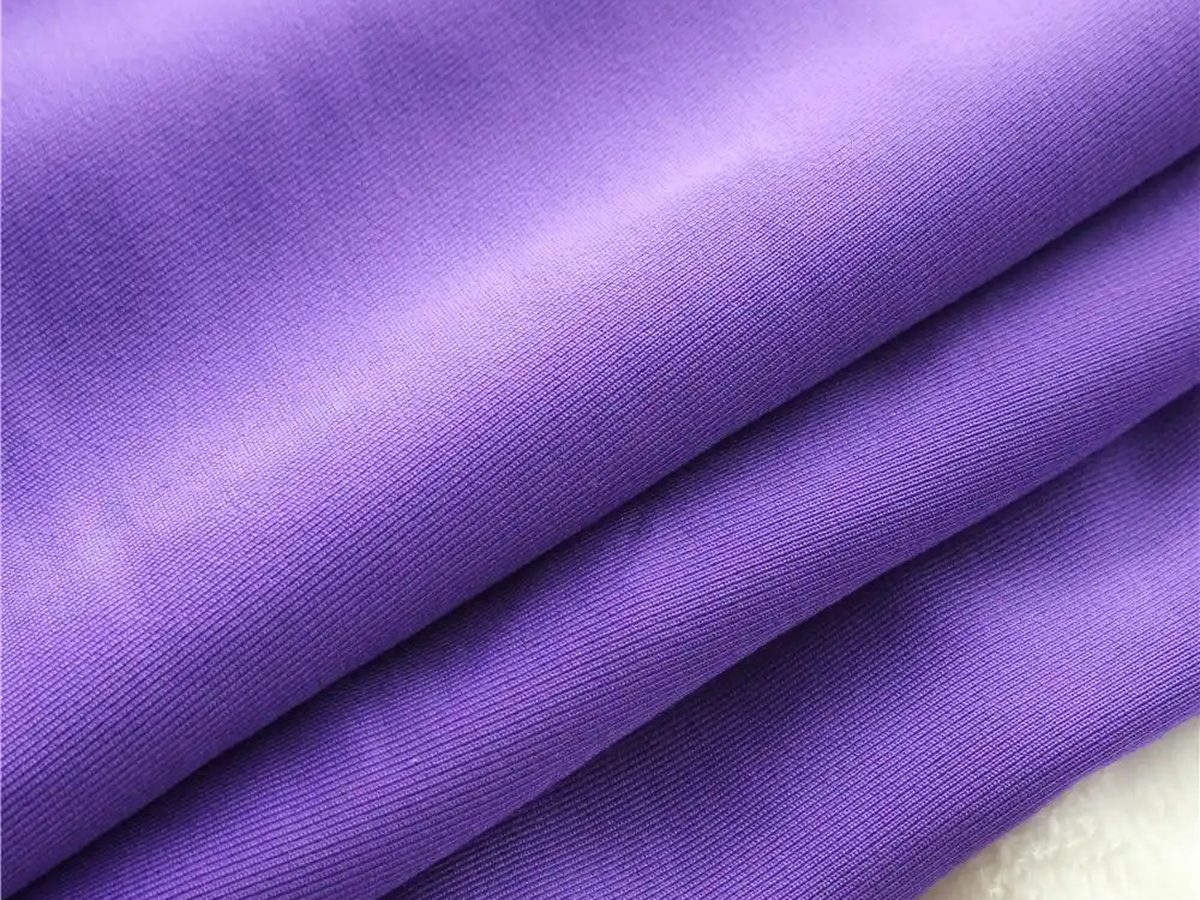
What 4-way, 80-120 % elongation does not tell you
| Position | Value | Effect on swimwear fabric | Where it shows up | Floor | 4 | Lowest cost, least margin for process variation; measured on composition, 80/20 or 78/22 nylon/spandex | Snagging within a season | Working middle | 4-way, 80-120 % elongation | Predictable performance at a normal price; held at composition, 80/20 or 78/22 nylon/spandex | Nothing to negotiate, nothing to explain; read against composition, 80/20 or 78/22 nylon/spandex | Ceiling | way, 80-120 % elongation | Best performance, highest cost; written as composition 80/20 or 78/22 nylon/spandex | Cost the end product may not recover; measured on composition, 80/20 or 78/22 nylon/spandex |
|---|
The middle is where most programmes should sit, and it is the hardest position to defend in a price meeting because it has no story attached to it.
The figure that decides the outcome is not stretch itself but the tolerance around it. A supplier who quotes 4-way, 80-120 % elongation without a tolerance has not quoted a specification, and the first lot will define the tolerance for you.
How to measure stretch
The reference method here is Stretch and recovery, run to ASTM D2594, with an acceptance of >= 90 % recovery after 5 cycles.
A single sample from the top of a roll tells you about the top of that roll, and stretch varies more across a run than most buyers expect.
A marginal pass on stretch tells you the process is running at the edge, which is the information you need before the next lot rather than after it.
The clause to write for stretch
Stretch appears with a tolerance and a test, not as a standalone number.
Stretch recovery: range, tolerance and the clause
It also explains why stretch recovery is the first line a buyer loosens and the last line a claim refers to.
For Swimwear fabric, the working range is >= 90 % after 5 cycles.
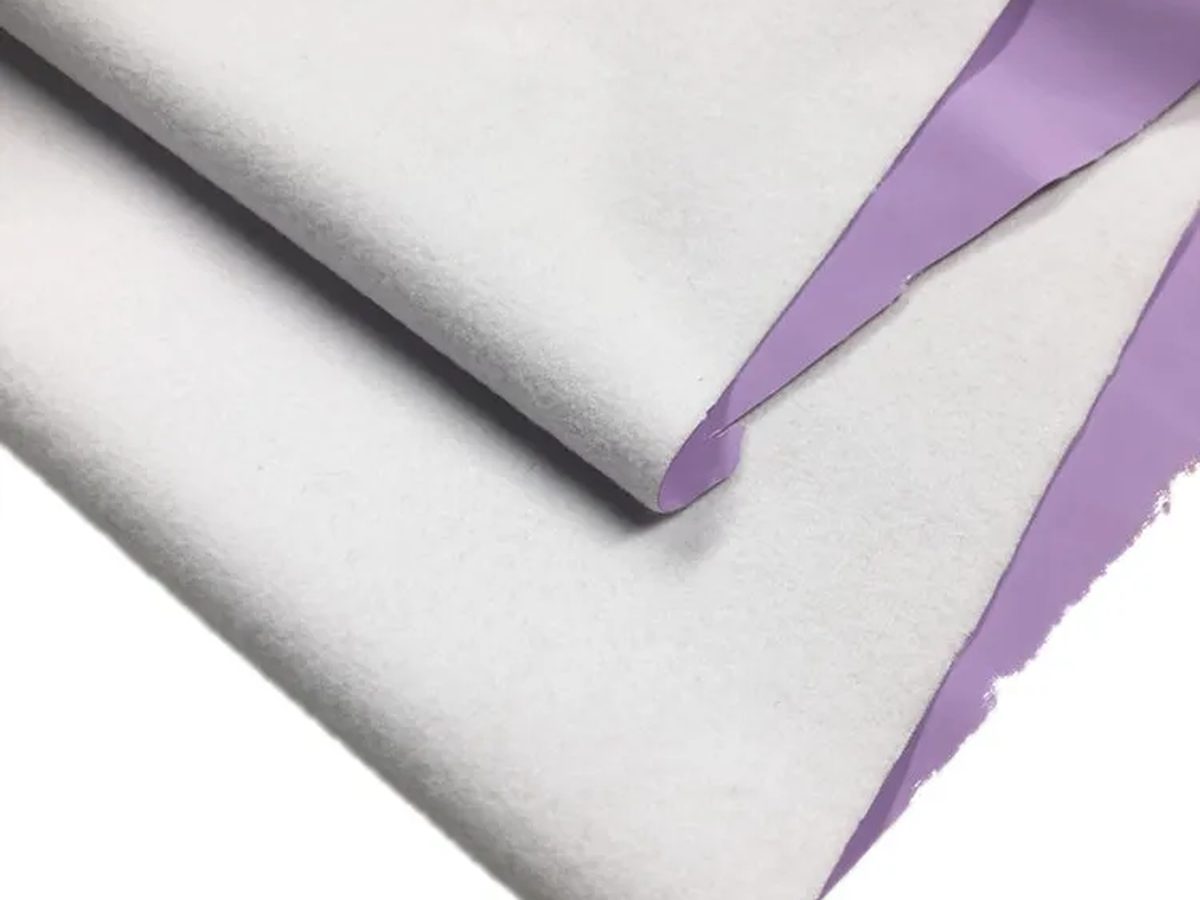
What >= 90 % after 5 cycles does not tell you
| Position | Value | Effect on swimwear fabric | Where it shows up | Floor | >= 90 % after 5 cycles | Lowest cost, least margin for process variation; held at composition, 80/20 or 78/22 nylon/spandex | Recovery loss at seams within a season | Working middle | >= 90 % after 5 cycles | Predictable performance at a normal price; read against composition, 80/20 or 78/22 nylon/spandex | Nothing to negotiate, nothing to explain; written as composition 80/20 or 78/22 nylon/spandex | Ceiling | >= 90 % after 5 cycles | Best performance, highest cost; measured on composition, 80/20 or 78/22 nylon/spandex | Cost the end product may not recover; held at composition, 80/20 or 78/22 nylon/spandex |
|---|
The figure that decides the outcome is not stretch recovery itself but the tolerance around it. A supplier who quotes >= 90 % after 5 cycles without a tolerance has not quoted a specification, and the first lot will define the tolerance for you.
How to measure stretch recovery
The reference method here is UPF, run to AS/NZS 4399 or AATCC 183, with an acceptance of UPF 50+.
A single sample from the top of a roll tells you about the top of that roll, and stretch recovery varies more across a run than most buyers expect.
A marginal pass on stretch recovery tells you the process is running at the edge, which is the information you need before the next lot rather than after it.
The clause to write for stretch recovery
Stretch recovery appears with a tolerance and a test, not as a standalone number.
Chlorine resistance: range, tolerance and the clause
The specification that separates pool swimwear from resort wear.
For Swimwear fabric, the working range is >= 80 % retained elongation after 50 h.

What >= 80 % retained elongation after 50 h does not tell you
| Position | Value | Effect on swimwear fabric | Where it shows up | Floor | >= 80 % retained elongation after 50 h | Lowest cost, least margin for process variation; read against composition, 80/20 or 78/22 nylon/spandex | Spandex degradation in chlorine within a season | Working middle | >= 80 % retained elongation after 50 h | Predictable performance at a normal price; written as composition 80/20 or 78/22 nylon/spandex | Nothing to negotiate, nothing to explain; measured on composition, 80/20 or 78/22 nylon/spandex | Ceiling | >= 80 % retained elongation after 50 h | Best performance, highest cost; held at composition, 80/20 or 78/22 nylon/spandex | Cost the end product may not recover; read against composition, 80/20 or 78/22 nylon/spandex |
|---|
The figure that decides the outcome is not chlorine resistance itself but the tolerance around it. A supplier who quotes >= 80 % retained elongation after 50 h without a tolerance has not quoted a specification, and the first lot will define the tolerance for you.
How to measure chlorine resistance
The reference method here is Colour fastness to washing, run to ISO 105-C06, with an acceptance of >= grade 4.
A single sample from the top of a roll tells you about the top of that roll, and chlorine resistance varies more across a run than most buyers expect.
A marginal pass on chlorine resistance tells you the process is running at the edge, which is the information you need before the next lot rather than after it.
The clause to write for chlorine resistance
Chlorine resistance appears with a tolerance and a test, not as a standalone number.
Composition on swimwear fabric: range, tolerance and the clause
For Swimwear fabric, the working range is 80/20 or 78/22 nylon/spandex; polyester/spandex.
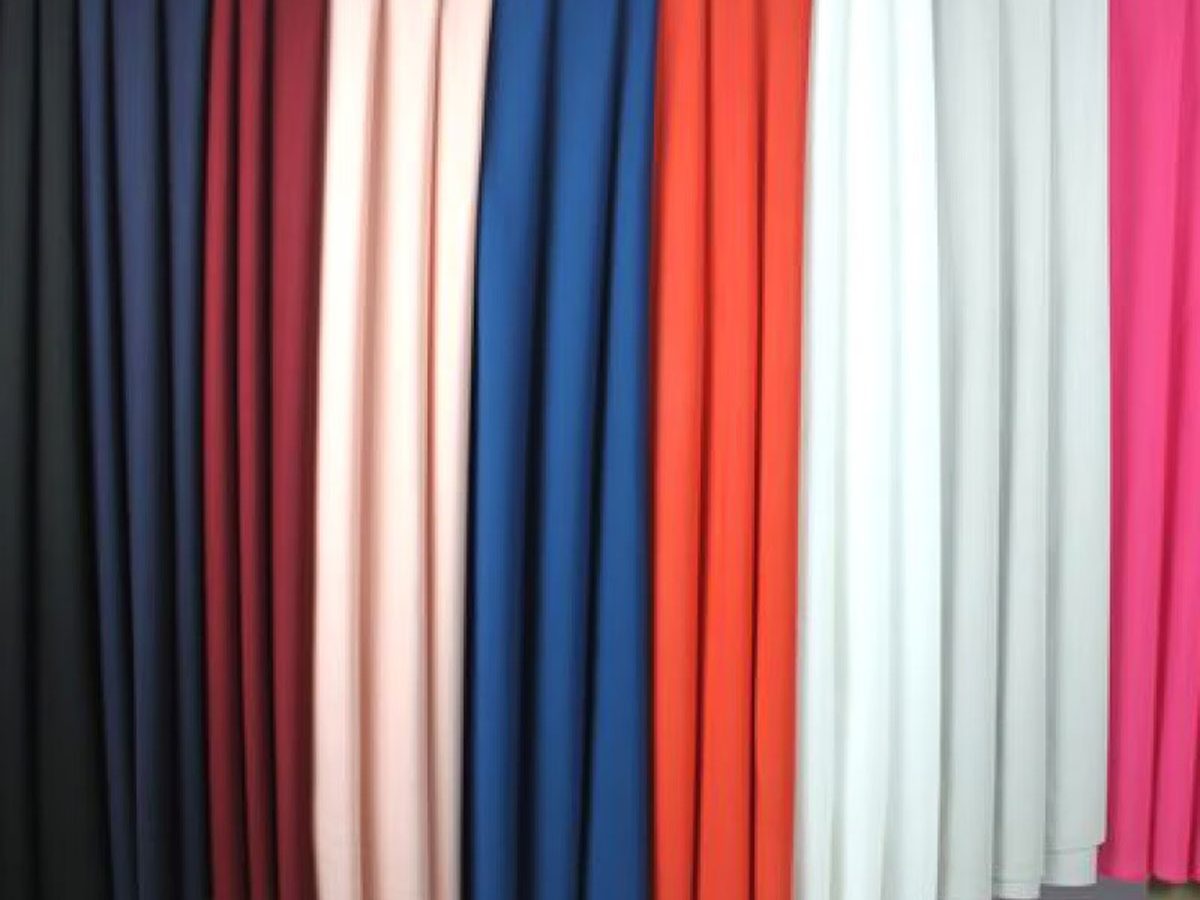
What 80/20 or 78/22 nylon/spandex; polyester/spandex does not tell you
| Position | Value | Effect on swimwear fabric | Where it shows up | Floor | 80/20 or 78/22 nylon/spandex; polyester/spandex | Lowest cost, least margin for process variation; written as composition 80/20 or 78/22 nylon/spandex | Spandex degradation in chlorine within a season | Working middle | 80/20 or 78/22 nylon/spandex; polyester/spandex | Predictable performance at a normal price; measured on composition, 80/20 or 78/22 nylon/spandex | Nothing to negotiate, nothing to explain; held at composition, 80/20 or 78/22 nylon/spandex | Ceiling | 80/20 or 78/22 nylon/spandex; polyester/spandex | Best performance, highest cost; read against composition, 80/20 or 78/22 nylon/spandex | Cost the end product may not recover; written as composition 80/20 or 78/22 nylon/spandex |
|---|
The figure that decides the outcome is not composition itself but the tolerance around it. A supplier who quotes 80/20 or 78/22 nylon/spandex; polyester/spandex without a tolerance has not quoted a specification, and the first lot will define the tolerance for you.
How to measure composition on swimwear fabric
The reference method here is Chlorine resistance, run to ISO 105-E03 / retained elongation 50 h, with an acceptance of >= 80 % retained.
A single sample from the top of a roll tells you about the top of that roll, and composition varies more across a run than most buyers expect.
A marginal pass on composition tells you the process is running at the edge, which is the information you need before the next lot rather than after it.
The clause to write for composition on swimwear fabric
Composition appears with a tolerance and a test, not as a standalone number.
80/20 nylon/spandex, 220 gsm, 4-way stretch, recovery >= 90 % after 5 cycles, chlorine-resistant spandex, UPF 50+, colour fastness to chlorinated water >= grade 4, Pantone 19-2430 TCX
Weight on swimwear fabric: range, tolerance and the clause
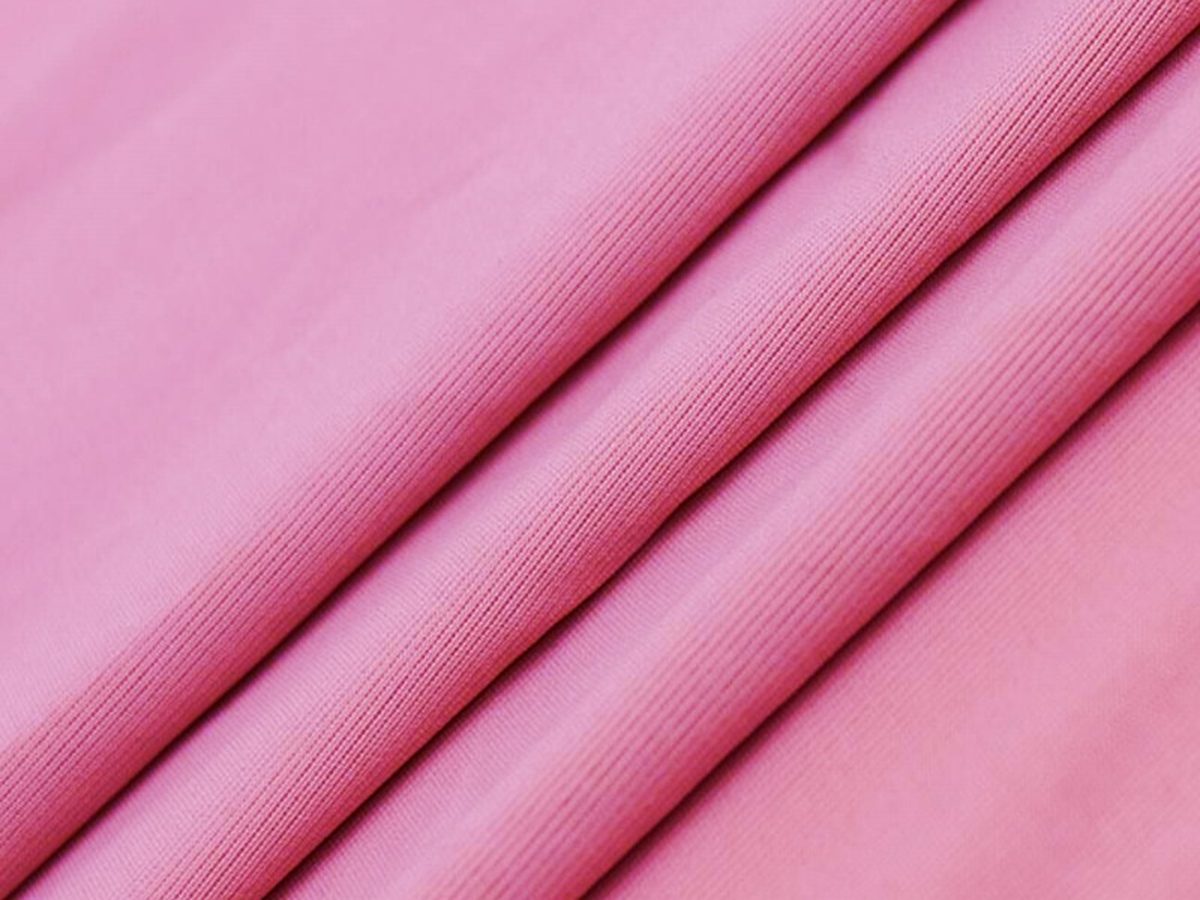
What 180-260 gsm does not tell you
| Position | Value | Effect on swimwear fabric | Where it shows up | Floor | 180 | Lowest cost, least margin for process variation; measured on composition, 80/20 or 78/22 nylon/spandex | Colour bleeding within a season | Working middle | 180-260 gsm | Predictable performance at a normal price; held at composition, 80/20 or 78/22 nylon/spandex | Nothing to negotiate, nothing to explain; read against composition, 80/20 or 78/22 nylon/spandex | Ceiling | 260 gsm | Best performance, highest cost; written as composition 80/20 or 78/22 nylon/spandex | Cost the end product may not recover; measured on composition, 80/20 or 78/22 nylon/spandex |
|---|
A supplier who quotes 180-260 gsm without a tolerance has not quoted a specification, and the first lot will define the tolerance for you.
How to measure weight on swimwear fabric
The reference method here is Colour fastness to chlorinated water, run to ISO 105-E03, with an acceptance of >= grade 4.
Condition the sample before measuring. Results in this family move by 10-20 % between a dry laboratory and a humid one, and two labs can disagree on the same material without either being wrong.
The clause to write for weight on swimwear fabric
How to write a swimwear fabric specification that protects you
For swimwear fabric, the clause has to pin stretch and stretch recovery, because those two separate a compliant lot from an adequate one:
80/20 nylon/spandex, 220 gsm, 4-way stretch, recovery >= 90 % after 5 cycles, chlorine-resistant spandex, UPF 50+, colour fastness to chlorinated water >= grade 4, Pantone 19-2430 TCX
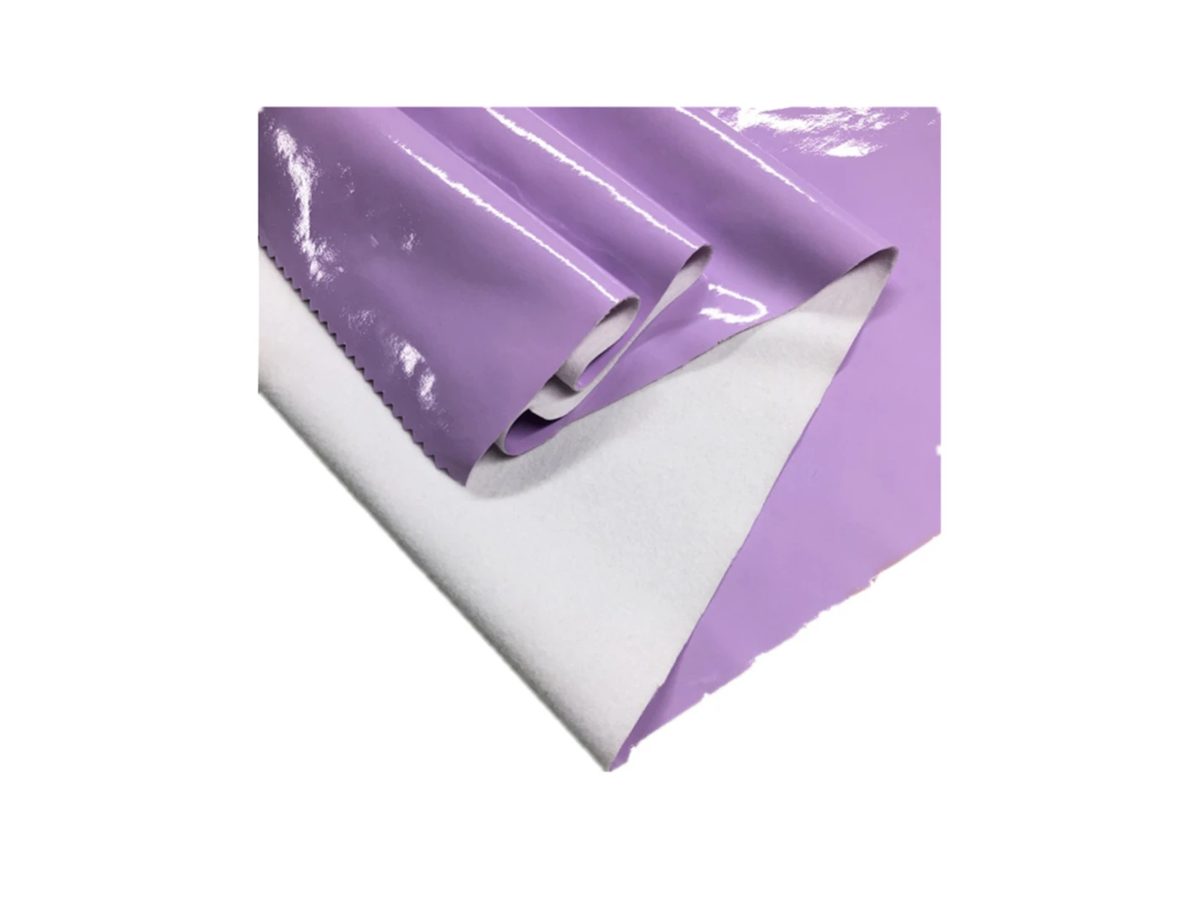
Swimwear fabric: where the specification usually breaks down
The first failure is spandex degradation in chlorine. Swimsuits go limp and baggy after a season in a pool. The cause is usually standard spandex breaks down in chlorinated water; resistance is a polymer choice, not a finish. The test that exposes it before you order: ISO 105-E03 colour fastness plus retained elongation after 50 h chlorine immersion.
The second is colour bleeding. Dark and bright shades bleed into linings and onto towels. It comes from poor wash-off after dyeing, or a shade that exceeds the dye class capability. Test with ISO 105-E03 and ISO 105-C06 multi-fibre staining.
What to put in a swimwear fabric enquiry
- End use and the conditions, which together decide where stretch has to sit inside 4-way, 80-120 % elongation.
- The one figure that must hold, with chlorine resistance named as the proof.
- Quantity per colour and per delivery, against a typical MOQ of 300-500 kg per colour or print.
- Destination market, because compliance changes the construction, not just the paperwork On swimwear fabric that is composition at 80/20 or 78/22 nylon/spandex.
- A physical standard viewed under a stated light source, not a screen proof For swimwear fabric it is weight at 180-260 gsm that settles it.
Full ranges sit on the swimwear fabric page, and the manufacturing side of the same question is on our quality control page.
Questions buyers ask before ordering
Does tolerance move between the specification explained sample and bulk?
On specification explained, tolerance sits at 180-260 gsm for this construction.
What happens to specification explained if we need tolerance tighter than 180-260 gsm?
On specification explained, the figure for tolerance is 180-260 gsm, measured at bulk approval and written on the lot record rather than the brochure.
Is 180-260 gsm a limit or a typical value for specification explained?
On specification explained, the value is 180-260 gsm, and it holds for the fabric as specified.
Swimwear fabric: failure modes worth a clause in the purchase order
| Failure | What triggers it | Test to demand on the production lot | Spandex degradation in chlorine; held at composition, 80/20 or 78/22 nylon/spandex | Standard spandex breaks down in chlorinated water; resistance is a polymer choice, not a finish; read against composition, 80/20 or 78/22 nylon/spandex | Chlorine resistance — ISO 105-E03 / retained elongation 50 h; acceptance >= 80 % retained; written as composition 80/20 or 78/22 nylon/spandex | Colour bleeding | Poor wash-off after dyeing, or a shade that exceeds the dye class capability. | Colour fastness to chlorinated water — ISO 105-E03; acceptance >= grade 4; measured on composition, 80/20 or 78/22 nylon/spandex |
|---|
The other two, with acceptance numbers attached, are in the full failure analysis for swimwear fabric.
Building a swimwear fabric specification?
Send what you have — composition, weight, target market. We reply with the band we would hold and the two parameters we would test before the first bulk run.
Products in this range
Related reading
- Bag Fabric vs 600D polyester: Which One Fits Your Programme
- Inspecting Textile and Window Covering: Checkpoints, AQL and the Defects That Matter
- Wooden Blind Slat Specification Guide: Species, Moisture and Tolerance
Sample cut with your values on it · Neutral packing and private label · Consolidation, documents and lead times