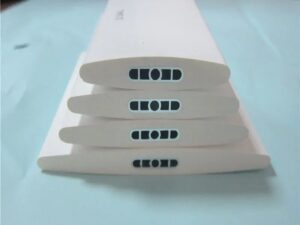
The datasheet for basswood blinds and slats lists six or eight numbers, and most buyers compare the first one. That is the mistake this page is about: the numbers interact, and the one you ignore is usually the one that produces the claim.
Basswood: why the headline number is the least useful one
Every quotation leads with slat width. But it tells you almost nothing on its own: slat width sets the frame, and the parameters below set whether the product survives its first year in service.
For basswood, the practical rule is to fix the headline figure at the level your product needs and then spend your negotiating attention on moisture content and species.

The basswood numbers that decide performance
| Parameter | Typical range | What it changes | Slat width | 25 / 35 / 50 / 63 mm | The visual decision. 50 mm is the volume seller; 63 mm reads as premium. | Slat thickness | 2.3-3.2 mm | Stiffness and cord-hole strength. Under 2.5 mm, long slats sag. | Moisture content | 8-12 % | The single most important number. Outside this range, warping is a matter of time. | Species | Tilia (basswood) | Straight grain, closed pores, takes lacquer evenly. | Grain and defects | vertical grain, no knots, no blue stain | Cosmetic grade drives yield and therefore price. | Coating | water-based lacquer, 2-3 coats | Solvent lacquer looks deeper and fails EU VOC rules. | Warp tolerance | <= 1.5 mm per 1 m | Measured after 48 h at 23 C / 50 % RH, not at the factory gate. | Colour range | 8-12 standard stains + custom | Stain matching between lots is where complaints come from. |
|---|
Slat width
Typical range: 25 / 35 / 50 / 63 mm. The visual decision. 50 mm is the volume seller; 63 mm reads as premium.
Slat thickness
Typical range: 2.3-3.2 mm. Stiffness and cord-hole strength. Under 2.5 mm, long slats sag.
Moisture content
Typical range: 8-12 %. The single most important number. Outside this range, warping is a matter of time.
Species
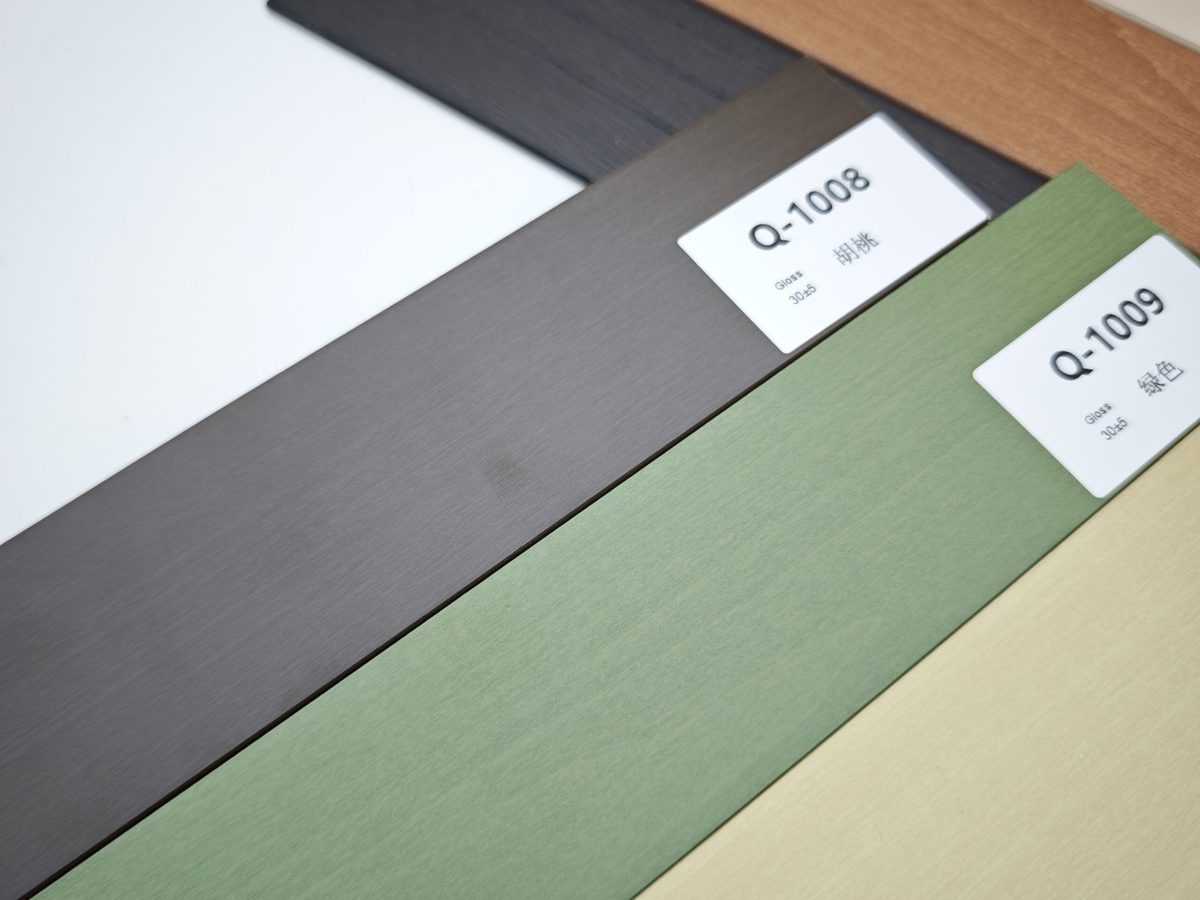
Typical range: Tilia (basswood). Straight grain, closed pores, takes lacquer evenly.
Grain and defects
Typical range: vertical grain, no knots, no blue stain. Cosmetic grade drives yield and therefore price.
Species: range, tolerance and the clause
For Basswood blinds and slats, the working range is Tilia (basswood).
What Tilia (basswood) does not tell you
| Position | Value | Effect on basswood | Where it shows up | Floor | Tilia (basswood) | Lowest cost, least margin for process variation; measured on slat width, 25, 35, 50 or 63 mm | Cord hole tearing within a season | Working middle | Tilia (basswood) | Predictable performance at a normal price; held at slat width, 25, 35, 50 or 63 mm | Nothing to negotiate, nothing to explain; read against slat width, 25, 35, 50 or 63 mm | Ceiling | Tilia (basswood) | Best performance, highest cost; written as slat width 25, 35, 50 or 63 mm | Cost the end product may not recover; measured on slat width, 25, 35, 50 or 63 mm |
|---|
The figure that decides the outcome is not species itself but the tolerance around it. A supplier who quotes Tilia (basswood) without a tolerance has not quoted a specification, and the first lot will define the tolerance for you.
How to measure species
The reference method here is Colour match, run to D65 visual + dE, with an acceptance of dE <= 1.5.
A marginal pass on species tells you the process is running at the edge, which is the information you need before the next lot rather than after it.
The clause to write for species
Species appears with a tolerance and a test, not as a standalone number.
Grain and defects: range, tolerance and the clause
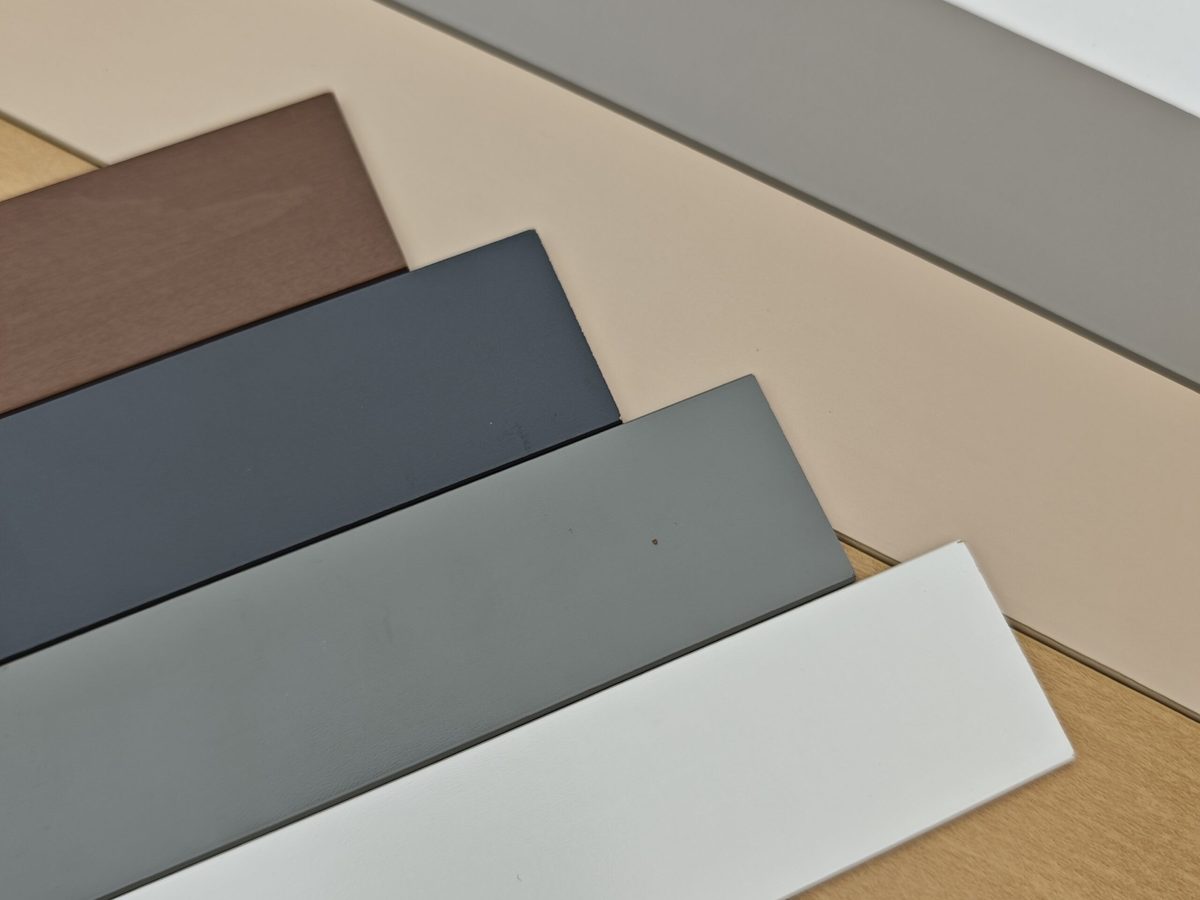
For Basswood blinds and slats, the working range is vertical grain, no knots, no blue stain.
What vertical grain, no knots, no blue stain does not tell you
| Position | Value | Effect on basswood | Where it shows up | Floor | vertical grain, no knots, no blue stain | Lowest cost, least margin for process variation; held at slat width, 25, 35, 50 or 63 mm | Warping and bowing within a season | Working middle | vertical grain, no knots, no blue stain | Predictable performance at a normal price; read against slat width, 25, 35, 50 or 63 mm | Nothing to negotiate, nothing to explain; written as slat width 25, 35, 50 or 63 mm | Ceiling | vertical grain, no knots, no blue stain | Best performance, highest cost; measured on slat width, 25, 35, 50 or 63 mm | Cost the end product may not recover; held at slat width, 25, 35, 50 or 63 mm |
|---|
The figure that decides the outcome is not grain and defects itself but the tolerance around it. A supplier who quotes vertical grain, no knots, no blue stain without a tolerance has not quoted a specification, and the first lot will define the tolerance for you.
How to measure grain and defects
The reference method here is Formaldehyde, run to ISO 14184-1 / EN 717-1, with an acceptance of <= 0.1 ppm for E1 class.
A marginal pass on grain and defects tells you the process is running at the edge, which is the information you need before the next lot rather than after it.
The clause to write for grain and defects
Grain and defects appears with a tolerance and a test, not as a standalone number.
Slat thickness: range, tolerance and the clause
Stiffness and cord-hole strength. Under 2.5 mm, long slats sag.
It also explains why slat thickness is the first line a buyer loosens and the last line a claim refers to.
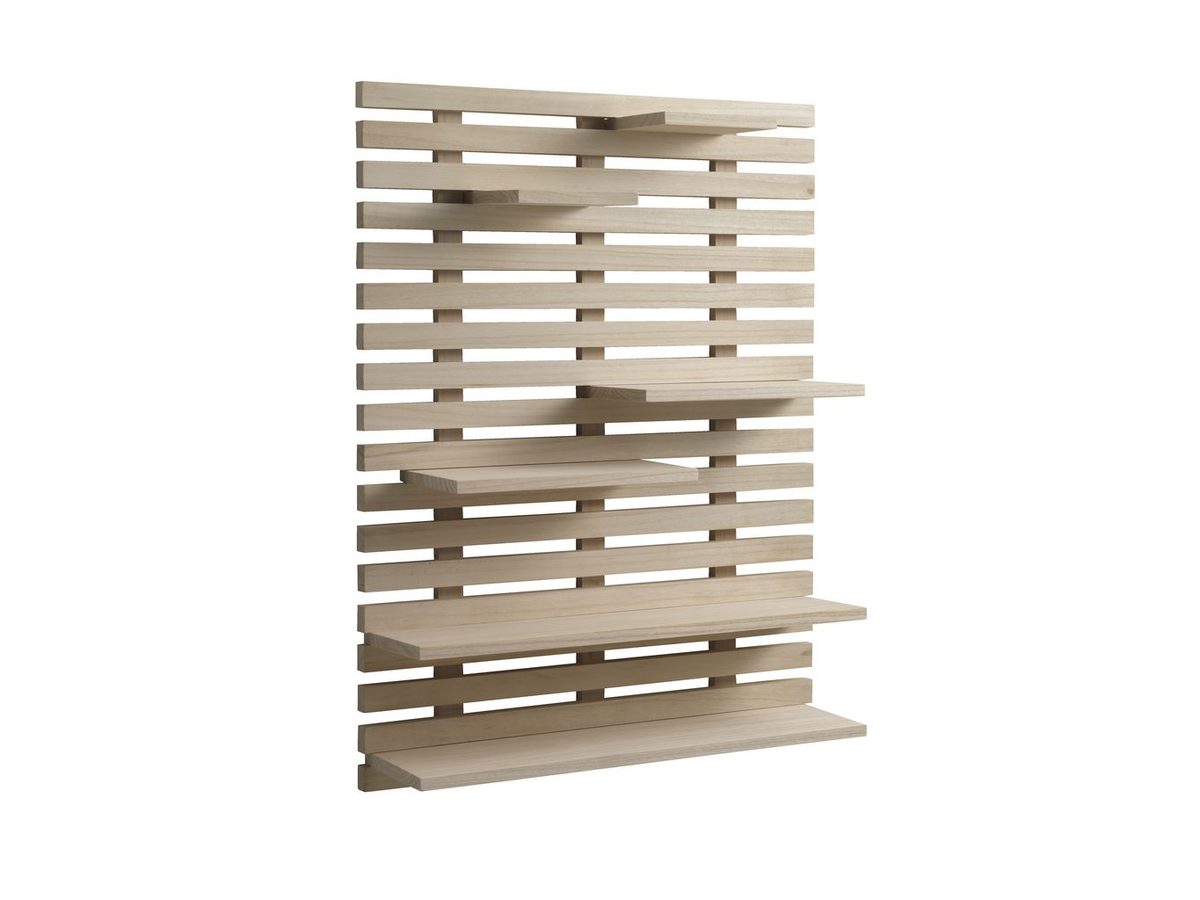
For Basswood blinds and slats, the working range is 2.3-3.2 mm.
What 2.3-3.2 mm does not tell you
| Position | Value | Effect on basswood | Where it shows up | Floor | 2.3 | Lowest cost, least margin for process variation; read against slat width, 25, 35, 50 or 63 mm | Colour mismatch between slats within a season | Working middle | 2.3-3.2 mm | Predictable performance at a normal price; written as slat width 25, 35, 50 or 63 mm | Nothing to negotiate, nothing to explain; measured on slat width, 25, 35, 50 or 63 mm | Ceiling | 3.2 mm | Best performance, highest cost; held at slat width, 25, 35, 50 or 63 mm | Cost the end product may not recover; read against slat width, 25, 35, 50 or 63 mm |
|---|
The figure that decides the outcome is not slat thickness itself but the tolerance around it. A supplier who quotes 2.3-3.2 mm without a tolerance has not quoted a specification, and the first lot will define the tolerance for you.
How to measure slat thickness
The reference method here is Warp, run to 48 h at 23 C / 50 % RH, with an acceptance of <= 1.5 mm per 1 m.
A single sample from the top of a roll tells you about the top of that roll, and slat thickness varies more across a run than most buyers expect.
A marginal pass on slat thickness tells you the process is running at the edge, which is the information you need before the next lot rather than after it.
The clause to write for slat thickness
Slat thickness appears with a tolerance and a test, not as a standalone number.
Moisture content: range, tolerance and the clause
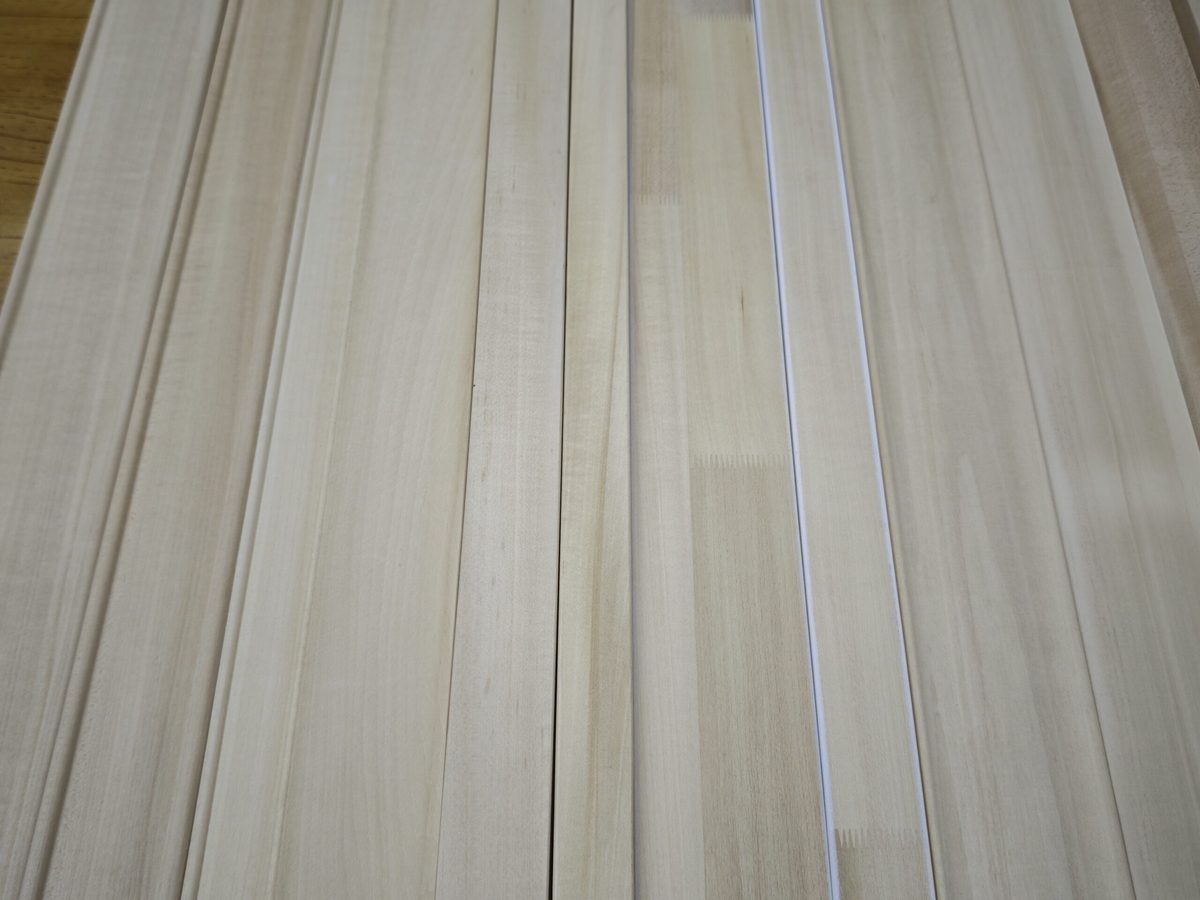
For Basswood blinds and slats, the working range is 8-12 %.
What 8-12 % does not tell you
| Position | Value | Effect on basswood | Where it shows up | Floor | 8 | Lowest cost, least margin for process variation; written as slat width 25, 35, 50 or 63 mm | Lacquer blushing within a season | Working middle | 8-12 % | Predictable performance at a normal price; measured on slat width, 25, 35, 50 or 63 mm | Nothing to negotiate, nothing to explain; held at slat width, 25, 35, 50 or 63 mm | Ceiling | 12 % | Best performance, highest cost; read against slat width, 25, 35, 50 or 63 mm | Cost the end product may not recover; written as slat width 25, 35, 50 or 63 mm |
|---|
The figure that decides the outcome is not moisture content itself but the tolerance around it. A supplier who quotes 8-12 % without a tolerance has not quoted a specification, and the first lot will define the tolerance for you.
How to measure moisture content
The reference method here is Coating adhesion, run to cross-hatch, with an acceptance of no lift.
A marginal pass on moisture content tells you the process is running at the edge, which is the information you need before the next lot rather than after it.
The clause to write for moisture content
Moisture content appears with a tolerance and a test, not as a standalone number.
Slat width on basswood: range, tolerance and the clause
For Basswood blinds and slats, the working range is 25 / 35 / 50 / 63 mm.
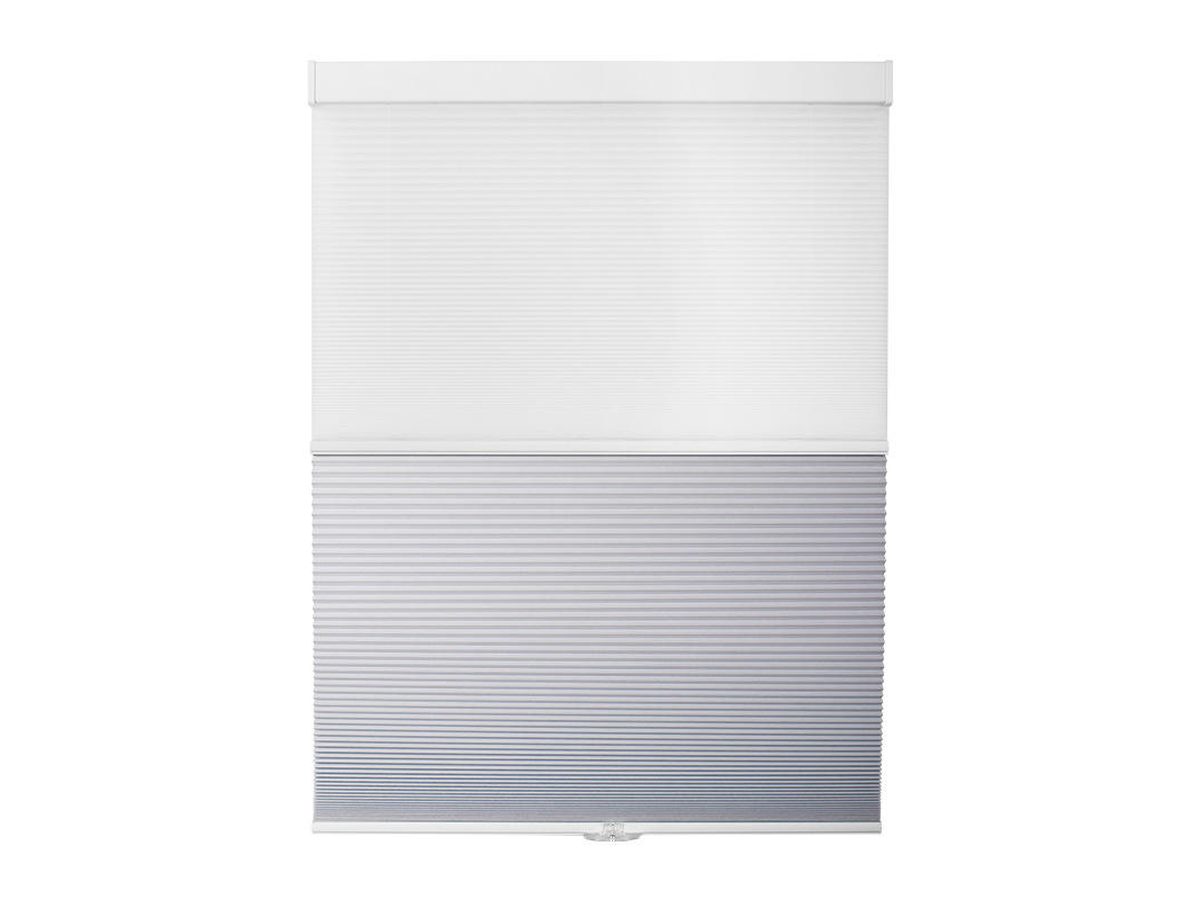
How to choose a slat width option on basswood
| Option | What it changes in basswood | When it is the right choice |
|---|---|---|
| 25 mm | 25 mm is the entry point in basswood: a lower cosmetic grade and two coats instead of three. That is where warping after the first heating season starts. | Cost-led basswood programmes with a short service life. |
| 35 mm | 35 mm is the volume middle for basswood: enough margin for process variation without paying for headroom the end product cannot use. | Most repeat basswood programmes, and the safest default. |
| 50 mm | 50 mm sits one step below the top of the basswood range, where the failures that survive the entry tier stop appearing. | Programmes with a service life long enough to be measured, but no warranty behind them. |
| 63 mm | 63 mm is the top of the basswood family, where the process is controlled tightly enough to guarantee it. | A warranty, a tender, or a basswood specification that cannot be renegotiated. |
Slat width is chosen by the application rather than by price, and a supplier who quotes one option as if it were interchangeable with another is quoting a different product.
The figure that decides the outcome is not slat width itself but the tolerance around it. A supplier who quotes 25 / 35 / 50 / 63 mm without a tolerance has not quoted a specification, and the first lot will define the tolerance for you.
How to measure slat width on basswood
The reference method here is Moisture content, run to oven-dry method / pin meter, with an acceptance of 8-12 %.
A single sample from the top of a roll tells you about the top of that roll, and slat width varies more across a run than most buyers expect.
A marginal pass on slat width tells you the process is running at the edge, which is the information you need before the next lot rather than after it.
The clause to write for slat width on basswood
Slat width appears with a tolerance and a test, not as a standalone number.
Basswood venetian blind, 50 mm slat, 2.8 mm thickness, moisture content 8-12 %, vertical grain no knots, 3-coat water-based lacquer, warp <= 1.5 mm/m, cordless with tension device to EN 13120, stain 3A
How to write a basswood specification that protects you
For basswood, the clause has to pin moisture content and species, because those two separate a compliant lot from an adequate one:
Basswood venetian blind, 50 mm slat, 2.8 mm thickness, moisture content 8-12 %, vertical grain no knots, 3-coat water-based lacquer, warp <= 1.5 mm/m, cordless with tension device to EN 13120, stain 3A

Basswood: where the specification usually breaks down
The first failure is warping and bowing. Slats curve within weeks of installation, worst near windows and in heated rooms. The cause is usually moisture content outside 8-12 %, or slats packed before equalising. The test that exposes it before you order: Moisture meter on 10 slats per carton plus a 48 h conditioning test at 23 C / 50 % RH.
The second is colour mismatch between slats. One blind looks striped because slats came from different stain batches. It comes from stain bath drift and mixing slats from two production days. Test with Visual under D65 on an assembled blind, plus dE <= 1.5 against the approved standard.
What to put in a basswood enquiry
- End use and the conditions, which together decide where moisture content has to sit inside 8-12 %.
- The one figure that must hold, with moisture content named as the proof.
- Quantity per colour and per delivery, against a typical MOQ of 300-500 sets per colour.
- Destination market, because compliance changes the construction, not just the paperwork On basswood that is slat width at 25, 35, 50 or 63 mm.
- A physical standard viewed under a stated light source, not a screen proof For basswood slats it is slat thickness at 2.3-3.2 mm that settles it.
Full ranges sit on the basswood page, and the manufacturing side of the same question is on our quality control page.
Questions buyers ask before ordering
Is 50/63 mm a limit or a typical value for basswood specification explained?
On basswood specification explained, 50/63 mm applies to the roll as delivered.
What is the actual tolerance behind basswood specification explained?
On basswood specification explained, we hold 50/63 mm.
Can you hold tolerance at 50/63 mm for basswood specification explained on a repeat order?
On basswood specification explained, 50/63 mm is what we hold on repeat lots.
Basswood: failure modes worth a clause in the purchase order
| Failure | What triggers it | Test to demand on the production lot | Warping and bowing | Moisture content outside 8-12 %, or slats packed before equalising; held at slat width, 25, 35, 50 or 63 mm | Moisture content — oven-dry method / pin meter; acceptance 8-12 %; read against slat width, 25, 35, 50 or 63 mm | Colour mismatch between slats | Stain bath drift and mixing slats from two production days; written as slat width 25, 35, 50 or 63 mm | Warp — 48 h at 23 C / 50 % RH; acceptance <= 1.5 mm per 1 m; measured on slat width, 25, 35, 50 or 63 mm |
|---|
The other two, with acceptance numbers attached, are in the full failure analysis for basswood.
Want a basswood quotation you can compare line by line?
Tell us the slat thickness and the annual volume. The quotation comes back with the tolerance band, the MOQ per colour, and the test standard named against each figure.
Products in this range
Related reading
- Coastal and humid climates: Materials, Specifications and Failure Risks
- How to Compare Supplier Quotes That Look Nothing Alike
- Bags Fabric Sourcing: 600D vs 1680D, Coating and Seam Failure
Catalogue and current price list · Neutral packing and private label · Consolidation, documents and lead times