The same motorised blinds article, quoted by two mills, can differ by 18 % on power alone — and both quotes are honest.
Motorised blinds: why the headline number is the least useful one
Every quotation leads with power. But it tells you almost nothing on its own: power sets the frame, and the parameters below set whether the product survives its first year in service.
For motorised blinds, the practical rule is to fix the headline figure at the level your product needs and then spend your negotiating attention on noise and torque.

The motorised blinds numbers that decide performance
| Parameter | Typical range | What it changes | Power | Li-ion battery / 12 V DC / hardwired | Battery avoids an electrician; hardwired avoids battery replacement. | Protocol | RF 433 / Zigbee / WiFi / Matter / Z-Wave | Protocol decides which smart home systems you can sell into. | Noise | <= 35 dB at 1 m | Guest rooms and bedrooms are unforgiving above 40 dB. | Torque | 1.2-3.0 Nm | Must be matched to blind width and weight; undersized motors stall. | Battery life | 300-500 cycles per charge | Real life is lower with heavy wooden blinds. | Limit setting | electronic with memory | Mechanical limits drift and are the main commissioning complaint. | Integration | Alexa / Google / HomeKit / control system | Decides whether you can sell to integrators. | Manual override | required | Essential for hotels and rentals, and often forgotten in the spec. |
|---|
Power
Typical range: Li-ion battery / 12 V DC / hardwired. Battery avoids an electrician; hardwired avoids battery replacement.
Protocol
Typical range: RF 433 / Zigbee / WiFi / Matter / Z-Wave. Protocol decides which smart home systems you can sell into.
Noise
Typical range:. Guest rooms and bedrooms are unforgiving above 40 dB.
Torque
Typical range: 1.2-3.0 Nm. Must be matched to blind width and weight; undersized motors stall.
Battery life
Typical range: 300-500 cycles per charge. Real life is lower with heavy wooden blinds.
Power: range, tolerance and the clause
For Motorised blinds, the working range is Li-ion battery / 12 V DC / hardwired.
How to choose a power option
| Option | What it changes in motorised blinds | When it is the right choice | Li-ion battery | Motor stall on wide blinds is where it usually ends up. | Cost-led programmes with a short service life; measured on power, Li-ion battery, 12 V DC or hardwired | 12 V DC | The volume middle: enough margin for process variation without paying for headroom the end product cannot use; held at power, Li-ion battery, 12 V DC or hardwired | Most repeat programmes, and the safest default; read against power, Li-ion battery, 12 V DC or hardwired | hardwired | The top of the family, where the process is controlled tightly enough to guarantee it; written as power Li-ion battery, 12 V DC or hardwired | A warranty, a tender, or a specification that cannot be renegotiated; measured on power, Li-ion battery, 12 V DC or hardwired |
|---|
Power is chosen by the application rather than by price, and a supplier who quotes one option as if it were interchangeable with another is quoting a different product.
The figure that decides the outcome is not power itself but the tolerance around it. A supplier who quotes Li-ion battery / 12 V DC / hardwired without a tolerance has not quoted a specification, and the first lot will define the tolerance for you.
How to measure power
The reference method here is Operation noise, run to 1 m, anechoic or quiet room, with an acceptance of <= 35 dB.
A marginal pass on power tells you the process is running at the edge, which is the information you need before the next lot rather than after it.
The clause to write for power
Power appears with a tolerance and a test, not as a standalone number.
Motorised 50 mm basswood venetian blind, Li-ion battery, Zigbee 3.0, <= 32 dB, 2.0 Nm, electronic limits, manual override, 400 cycles per charge, EN 13120 safety
Protocol: range, tolerance and the clause
For Motorised blinds, the working range is RF 433 / Zigbee / WiFi / Matter / Z-Wave.

How to choose a protocol option
| Option | What it changes in motorised blinds | When it is the right choice | RF 433 | Battery drain is where it usually ends up. | Cost-led programmes with a short service life; held at power, Li-ion battery, 12 V DC or hardwired | WiFi | The volume middle: enough margin for process variation without paying for headroom the end product cannot use; read against power, Li-ion battery, 12 V DC or hardwired | Most repeat programmes, and the safest default; written as power Li-ion battery, 12 V DC or hardwired | Z-Wave | The top of the family, where the process is controlled tightly enough to guarantee it; measured on power, Li-ion battery, 12 V DC or hardwired | A warranty, a tender, or a specification that cannot be renegotiated; held at power, Li-ion battery, 12 V DC or hardwired |
|---|
Protocol is chosen by the application rather than by price, and a supplier who quotes one option as if it were interchangeable with another is quoting a different product.
The figure that decides the outcome is not protocol itself but the tolerance around it. A supplier who quotes RF 433 / Zigbee / WiFi / Matter / Z-Wave without a tolerance has not quoted a specification, and the first lot will define the tolerance for you.
How to measure protocol
The reference method here is Cycle endurance, run to 1000 cycles with load, with an acceptance of position drift <= 2 mm.
A marginal pass on protocol tells you the process is running at the edge, which is the information you need before the next lot rather than after it.
The clause to write for protocol
Protocol appears with a tolerance and a test, not as a standalone number.
Noise: range, tolerance and the clause

What <= 35 dB at 1 m does not tell you
| Position | Value | Effect on motorised blinds | Where it shows up | Floor | <= 35 dB at 1 m | Lowest cost, least margin for process variation; read against power, Li-ion battery, 12 V DC or hardwired | Protocol incompatibility within a season | Working middle | <= 35 dB at 1 m | Predictable performance at a normal price; written as power Li-ion battery, 12 V DC or hardwired | Nothing to negotiate, nothing to explain; measured on power, Li-ion battery, 12 V DC or hardwired | Ceiling | <= 35 dB at 1 m | Best performance, highest cost; held at power, Li-ion battery, 12 V DC or hardwired | Cost the end product may not recover; read against power, Li-ion battery, 12 V DC or hardwired |
|---|
The figure that decides the outcome is not noise itself but the tolerance around it. A supplier who quotes <= 35 dB at 1 m without a tolerance has not quoted a specification, and the first lot will define the tolerance for you.
How to measure noise
The reference method here is Torque and current, run to full load, with an acceptance of within motor curve.
A single sample from the top of a roll tells you about the top of that roll, and noise varies more across a run than most buyers expect.
A marginal pass on noise tells you the process is running at the edge, which is the information you need before the next lot rather than after it.
The clause to write for noise
Noise appears with a tolerance and a test, not as a standalone number.
Torque: range, tolerance and the clause
It also explains why torque is the first line a buyer loosens and the last line a claim refers to.

What 1.2-3.0 Nm does not tell you
| Position | Value | Effect on motorised blinds | Where it shows up | Floor | 1.2 | Lowest cost, least margin for process variation; written as power Li-ion battery, 12 V DC or hardwired | Limit drift within a season | Working middle | 1.2-3.0 Nm | Predictable performance at a normal price; measured on power, Li-ion battery, 12 V DC or hardwired | Nothing to negotiate, nothing to explain; held at power, Li-ion battery, 12 V DC or hardwired | Ceiling | 3.0 Nm | Best performance, highest cost; read against power, Li-ion battery, 12 V DC or hardwired | Cost the end product may not recover; written as power Li-ion battery, 12 V DC or hardwired |
|---|
The figure that decides the outcome is not torque itself but the tolerance around it. A supplier who quotes 1.2-3.0 Nm without a tolerance has not quoted a specification, and the first lot will define the tolerance for you.
How to measure torque
The reference method here is Battery cycles, run to 300 cycles, with an acceptance of >= 80 % capacity retained.
A marginal pass on torque tells you the process is running at the edge, which is the information you need before the next lot rather than after it.
The clause to write for torque
Torque appears with a tolerance and a test, not as a standalone number.
Battery life: range, tolerance and the clause
For Motorised blinds, the working range is 300-500 cycles per charge.
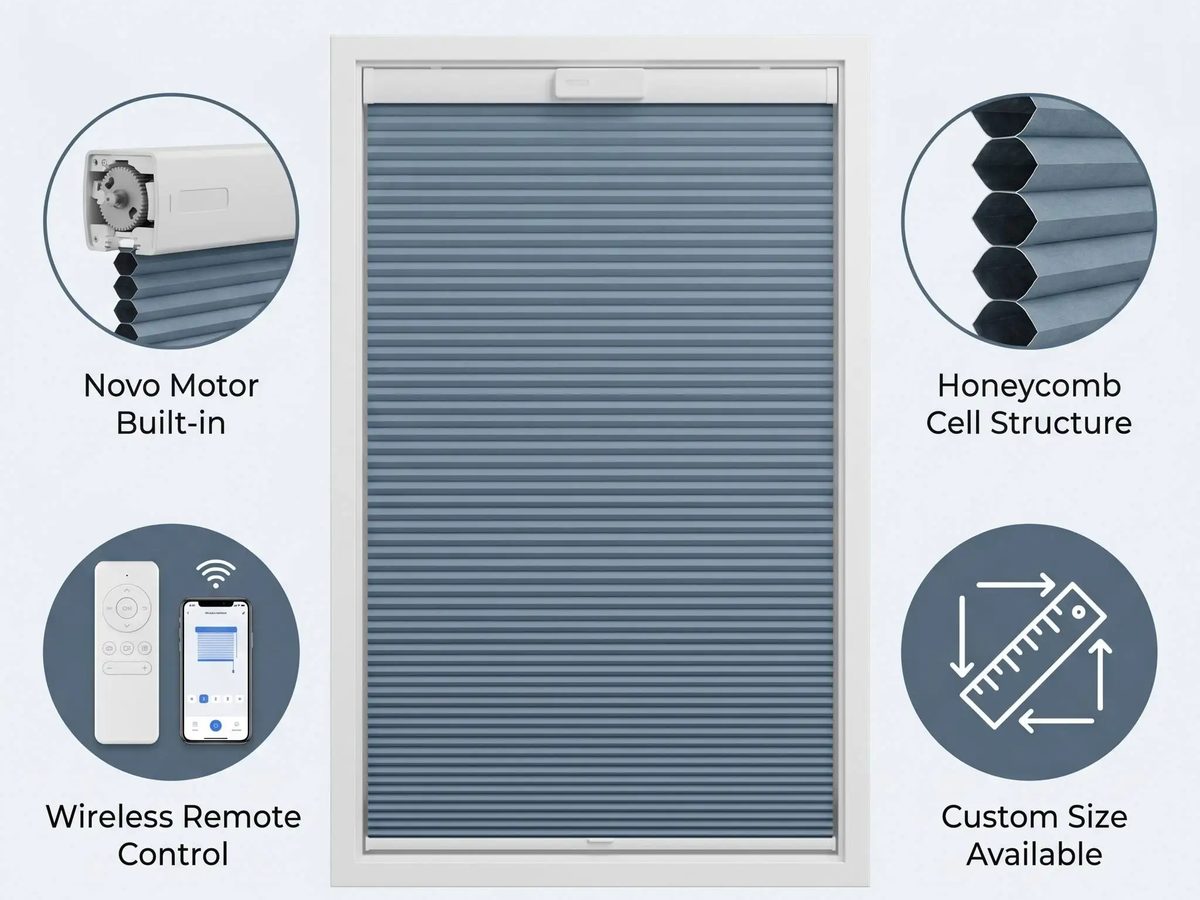
What 300-500 cycles per charge does not tell you
| Position | Value | Effect on motorised blinds | Where it shows up | Floor | 300 | Lowest cost, least margin for process variation; measured on power, Li-ion battery, 12 V DC or hardwired | Motor stall on wide blinds within a season | Working middle | 300-500 cycles per charge | Predictable performance at a normal price; held at power, Li-ion battery, 12 V DC or hardwired | Nothing to negotiate, nothing to explain; read against power, Li-ion battery, 12 V DC or hardwired | Ceiling | 500 cycles per charge | Best performance, highest cost; written as power Li-ion battery, 12 V DC or hardwired | Cost the end product may not recover; measured on power, Li-ion battery, 12 V DC or hardwired |
|---|
The figure that decides the outcome is not battery life itself but the tolerance around it. A supplier who quotes 300-500 cycles per charge without a tolerance has not quoted a specification, and the first lot will define the tolerance for you.
How to measure battery life
The reference method here is Protocol conformance, run to certification test, with an acceptance of pass for declared protocol.
A single sample from the top of a roll tells you about the top of that roll, and battery life varies more across a run than most buyers expect.
A marginal pass on battery life tells you the process is running at the edge, which is the information you need before the next lot rather than after it.
The clause to write for battery life
Battery life appears with a tolerance and a test, not as a standalone number.
How to write a motorised blinds specification that protects you
For motorised blinds, the clause has to pin noise and torque, because those two separate a compliant lot from an adequate one:
Motorised 50 mm basswood venetian blind, Li-ion battery, Zigbee 3.0, <= 32 dB, 2.0 Nm, electronic limits, manual override, 400 cycles per charge, EN 13120 safety
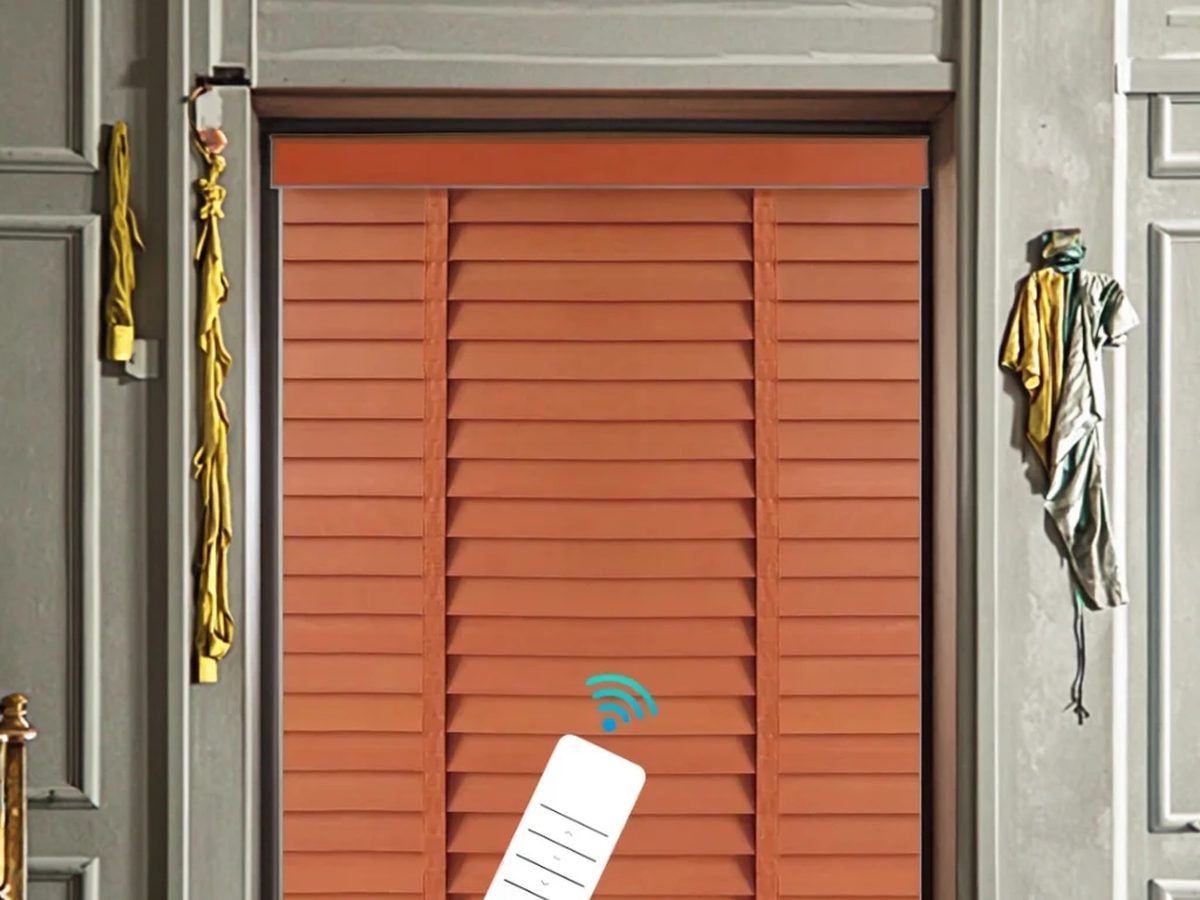
Motorised blinds: where the specification usually breaks down
The first failure is motor stall on wide blinds. The blind stops halfway or hums without moving. The cause is usually torque below what the blind weight and friction require. The test that exposes it before you order: Measure running current at full load and compare against the motor curve.
The second is battery drain. Batteries need charging every few weeks instead of twice a year. It comes from friction in the headrail, or a motor with high standby current. Test with Cycle test with a logged current draw over 300 cycles.
What to put in a motorised blinds enquiry
- End use and the conditions, which together decide where noise has to sit inside <= 35 dB at 1 m.
- The one figure that must hold, with operation noise named as the proof.
- Quantity per colour and per delivery, against a typical MOQ of 100-300 sets per model.
- Destination market, because compliance changes the construction, not just the paperwork On motorised blinds that is power at Li-ion battery, 12 V DC or hardwired.
- A physical standard viewed under a stated light source, not a screen proof For motorised blinds it is protocol at RF 433, Zigbee, WiFi or Matter that settles it.
Full ranges sit on the motorised blinds page, and the manufacturing side of the same question is on our quality control page.

Questions buyers ask before ordering
Can you hold tolerance at 50 mm for specification explained on a repeat order?
On specification explained, tolerance of 50 mm is what the line holds without special setup, which is why it is the standard quotation.
What drives the price of specification explained at tolerance of 50 mm?
On specification explained, below 50 mm on tolerance the failure mode changes from appearance to function, and visual inspection stops helping.
Is 50 mm achievable at our volume on specification explained?
On specification explained, ask for tolerance as 50 mm in writing; a supplier who will not commit is quoting a different product.
Motorised blinds: failure modes worth a clause in the purchase order
| Failure | What triggers it | Test to demand on the production lot | Motor stall on wide blinds; held at power, Li-ion battery, 12 V DC or hardwired | Torque below what the blind weight and friction require; read against power, Li-ion battery, 12 V DC or hardwired | Operation noise — 1 m, anechoic or quiet room; acceptance <= 35 dB; written as power Li-ion battery, 12 V DC or hardwired | Battery drain | Friction in the headrail, or a motor with high standby current. | Cycle endurance — 1000 cycles with load; acceptance position drift <= 2 mm |
|---|
The other two, with acceptance numbers attached, are in the full failure analysis for motorised blinds.
The four figures a motor specification lives or dies on
| Figure | Working value | What fails without it |
|---|---|---|
| Torque | 1.2-3.0 Nm | A 3 m wooden blind stalls at the top of the travel |
| Operating noise | <= 35 dB at 1 m | Audible at night in a bedroom above 40 dB |
| Limit setting | Electronic, repeatable to 2 mm | Mechanical stops drift after 2 000 cycles |
| Ingress protection | IP44 for bathrooms | Condensation reaches the board in one winter |
Sourcing motorised blinds for a programme already in production?
Send the power you are running now and the failure you are trying to design out. The reply names the test that separates the two options and what each one costs.
Products in this range
Related reading
- What Paulownia Really Costs: A Line-by-Line Breakdown
- Inspecting Textile and Window Covering: Checkpoints, AQL and the Defects That Matter
- 3D Mesh Fabric Buying Guide: Thickness, Weight and What Actually Fails
Catalogue and current price list · Neutral packing and private label · Consolidation, documents and lead times