Three quotes, three prices, three different products. Comparing them by unit price is the fastest way to choose the wrong one, and the difference is usually visible in four places.
Normalise to a landed cost
Ex-works price plus freight plus duty plus compliance cost plus the expected claim rate. That last item is the one buyers omit and the one that reverses most decisions.
A 10 % cheaper quote with a 3 % claim rate is more expensive than a 10 % dearer quote with no claims, and the difference compounds because claims cost administrative time as well as money.

Read the specification, not the price
Line the quotes up against your RFQ. Where a quote is silent, treat it as a deviation until the supplier confirms otherwise in writing.
The four places where silent deviations hide: tolerance, testing, packing, and what is excluded from the price.
Price the difference in service life
If one material lasts three years and the other five, the annual cost is the comparison, not the unit price. This is arithmetic most buyers skip and it changes the answer more often than any discount.
Ask the same question of all three
What did you assume where the RFQ was silent? What is excluded? What is the lead time measured from? What happens if a lot fails our test? The answers are comparable in a way that prices are not.
A comparison sheet that fits on one page
Fill it in before you discuss price. The conversation changes once the deviations are visible, because the cheapest quote usually has the longest list.

The question that separates the quotes
Ask each supplier: if I needed to reduce the price by 10 % without changing the performance, what would you change? The answers are directly comparable, and they tell you where each supplier believes their own slack is. A supplier who says nothing can change is either at their limit or not interested, and both are useful to know before the order rather than after.
When the cheapest quote is the right one
Sometimes it is. If the product is short-life, the failure is cosmetic, and the order is small, the premium for durability buys nothing the customer will notice. The mistake is not choosing cheap; it is choosing cheap without knowing which failure you are accepting.
Write the accepted failure down. If it happens, you will know it was priced in, and the conversation with your own customer is different.
Currency, payment terms and the real comparison
Two quotes in different currencies are not comparable until the payment date is fixed, because the rate moves. Two quotes with different payment terms are not comparable either: a 30 % deposit and a 100 % advance differ by the cost of capital for the production period.
Convert everything to the same currency, at the same date, with the same payment structure. It takes ten minutes and it changes the ranking more often than the price negotiation does.
Questions buyers ask before ordering
Does tolerance move between the comparing quotes sample and bulk?
On comparing quotes, nothing about the material changes at 10 %; what changes is which defects count.
What happens to comparing quotes if we need tolerance tighter than 10 %?
On comparing quotes, expect 10 %.
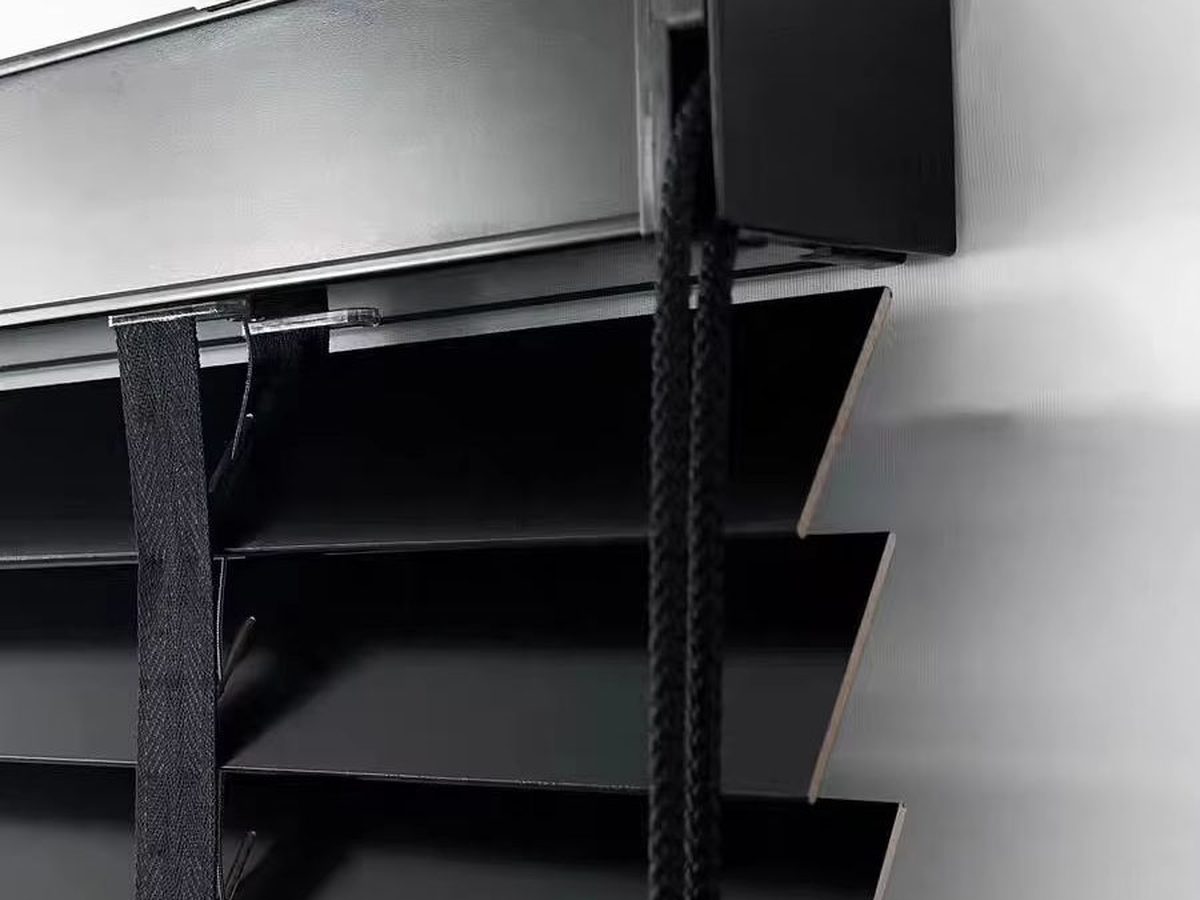
Comparing quotes: the same question, asked of motorised blinds
Normalising three quotes onto one page
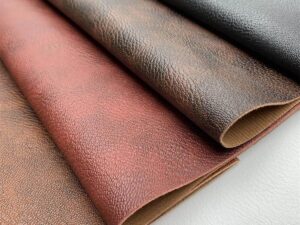
Three quotes for the same fabric are rarely three prices for the same thing. Before comparing, put them on one page with six fields aligned.
- Incoterm and port. FOB Shanghai against CIF Rotterdam is a freight difference disguised as a price difference.
- Weight basis. Quoted per kg or per metre, and at what gsm and width. Per-metre quotes on a 150 cm and a 160 cm roll are not comparable.
- Packing. Roll length, core, carton. A 100 m roll and a 50 m roll change handling cost downstream.
- Payment terms. 30/70 against L/C at sight is a financing cost of several percent, and it belongs in the comparison.
- Validity. A 30-day quote and a 90-day quote carry different risk on both sides.
- What is excluded. Testing, certification, pallets, and the sample that was free until it was not.
Once those six are aligned, the spread usually narrows from 30 % to under 10 %, and the remaining difference is the real commercial question: which tier of the material each supplier is quoting.
The quote that wins after normalisation is rarely the cheapest one before it.
Reading a quote that is 20 % under the others
A quote that lands 20 % under a tight cluster is information, not a gift. Four explanations account for almost all of them, and three are checkable before you order.
- A different tier of the same material. The most common and the most defensible. Ask which parameter was moved and by how much; a straight answer usually follows.
- A different basis. Per kg instead of per metre, uncoated weight instead of coated, ex-works instead of FOB. Half of all apparent gaps disappear when the basis is aligned.
- A currency or validity bet. A quote fixed for 90 days at today’s rate carries a risk the supplier has priced somewhere else, often in the tolerance.
- An omission. Testing, certification, pallets, or the second coating pass. Ask for the cost breakdown by line; a supplier who cannot produce one has not costed it either.
If none of the four explains it, the remaining explanation is capacity. A mill filling a gap in its schedule will price below the market for one order and not for the next, which is fine if you only need one order and a problem if you need a programme.
The right response to a 20 % gap is one question, asked in writing: “which line of the specification is different?” The answer is either a negotiation or a warning.
The six lines to normalise before comparing price
| Line | Quote A | Quote B | Quote C |
|---|---|---|---|
| Price basis | FOB 3 000 m | Ex-works 1 000 m | FOB 5 000 m |
| Tolerance clause | +/- 5 %, written | Not stated | +/- 10 %, written |
| Packing | Rolled, 50 m, poly | Baled | Rolled, 25 m, poly plus board |
| Lead time from | Deposit received | Order confirmed | Approval of the sample |
| Payment | 30 % / 70 % against copy | 100 % in advance | 30 % / 70 % at 30 days |
| Test reports | Included, dated | At extra cost | Included, undated |
Three of these lines move the effective price more than the headline does. A +/- 10 % tolerance on a 180 gsm fabric is 18 gsm of material, roughly 4 % of the cost, given away in the clause rather than in the quote. Payment terms of 100 % in advance carry a finance cost the other two quotes do not. Normalise the six lines first, then compare the number that survives.
Need a quotation you can compare line by line?
Send the material, the annual volume and the destination market. The reply names the parameters we would fix first, the tolerance we hold, and the documents that ship with the lot.
Comparing quotes: failure modes worth a clause in the purchase order
Products in this range
Related reading
- Shipping Textile and Window Covering from China: Container Maths, Packaging and Damage Control
- MOQ and Lead Time in Textile and Window Covering: How the Numbers Are Actually Built
- Sourcing from China for The Gulf: Textiles and Window Coverings
Sample cut with your values on it · Neutral packing and private label · Consolidation, documents and lead times